Celso Fadelli
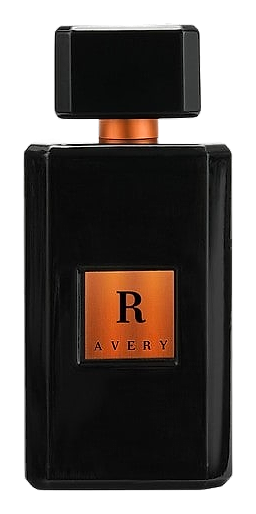
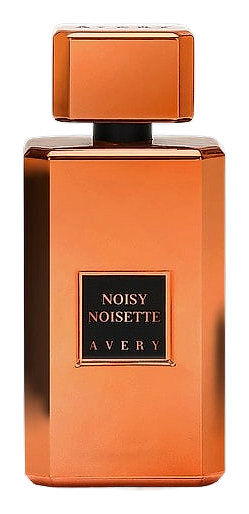
Celso Fadelli emerged from the bustling streets of Milan with a childhood fascination for scent and design. After completing a formal apprenticeship at a historic Italian perfume house, he spent the early 2000s mastering the chemistry of raw materials and the art of composition. In 2008 he founded Intertrade Group, a boutique house that quickly earned a reputation for daring collaborations between visual artists and perfumers. By 2014 he launched Avery Fine Perfumery, a concept store that treats each bottle as a wearable sculpture. His work with the UNSCENT project in 2016 cemented his status as a curator who bridges niche creativity with market savvy. Today he guides a network of independent noses, steering projects that challenge conventional expectations while honoring the discipline’s rich heritage.
The hits
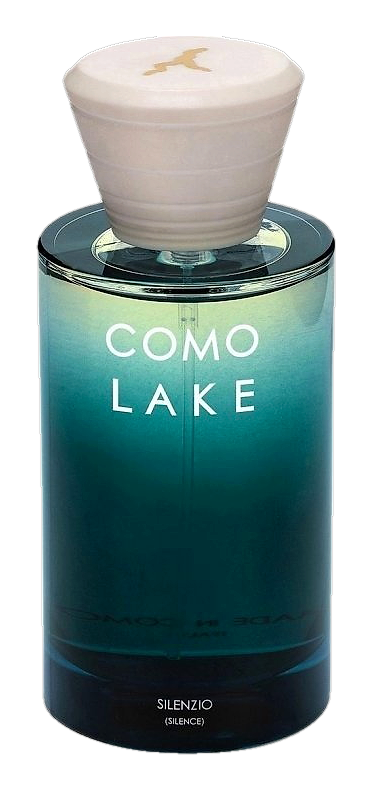
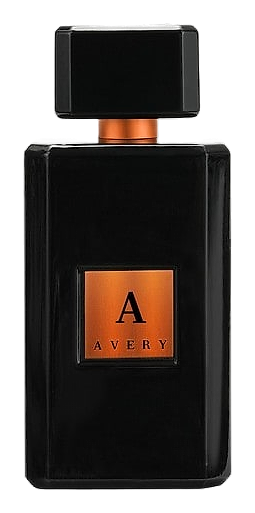
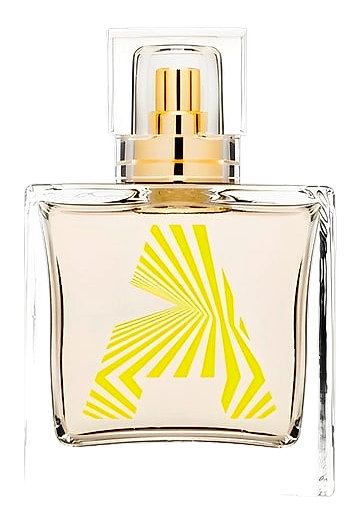
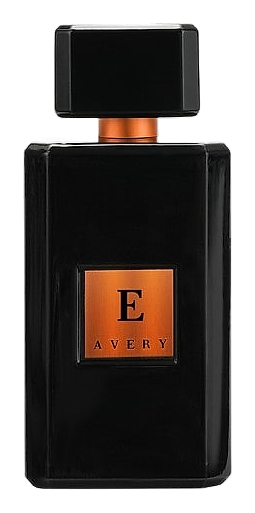
Notable creations
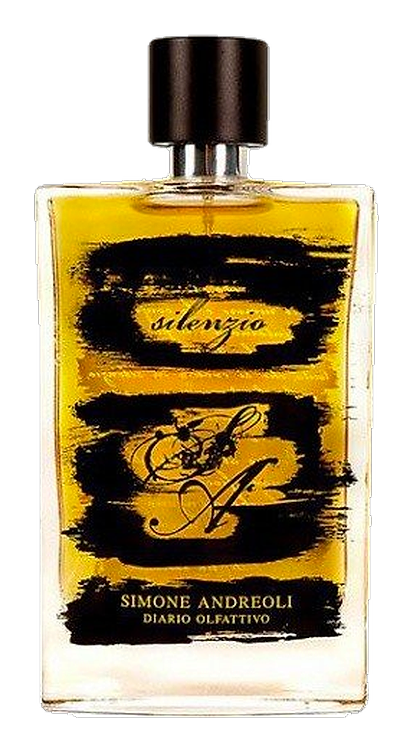
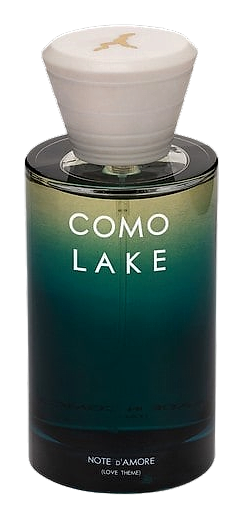
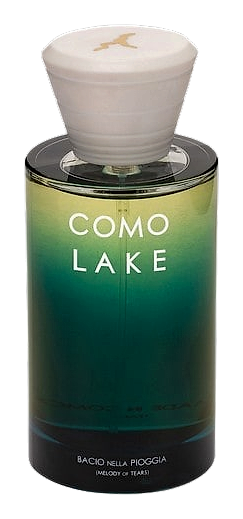
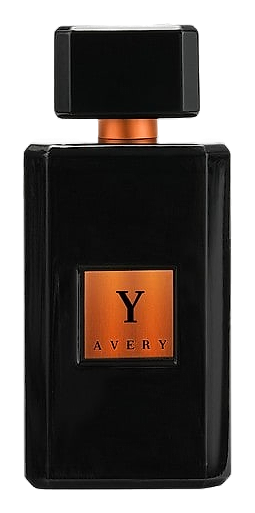
The signature
How Celso composes
In the studio, Fadelli favors a hands‑on approach, blending ingredients directly on the palette before committing to a formula. He leans toward natural absolutes—ambergris, oud, and rare florals—paired with modern synthetics that add depth without overpowering. His signatures include a crisp citrus opening that quickly yields to a heart of leather‑kissed violet, followed by a lingering base of smoked woods and soft musk. He often layers transparent accords, allowing each layer to reveal itself over time, creating a scent that unfolds like a well‑cut suit.
Philosophy
What drives Celso
Fadelli believes a fragrance should act like a personal garment, wrapping the wearer in a narrative that evolves with each moment. He treats scent as a dialogue between memory and invention, insisting that every accord must earn its place through rigorous testing and emotional resonance. Rather than chasing trends, he studies cultural shifts, then translates them into olfactory statements that feel both contemporary and timeless. For him, the ultimate reward lies in seeing a client’s face light up when a note lands exactly where it was intended.
The houses
Maisons Celso composes for
In the same league