Character
The Story of Tartine
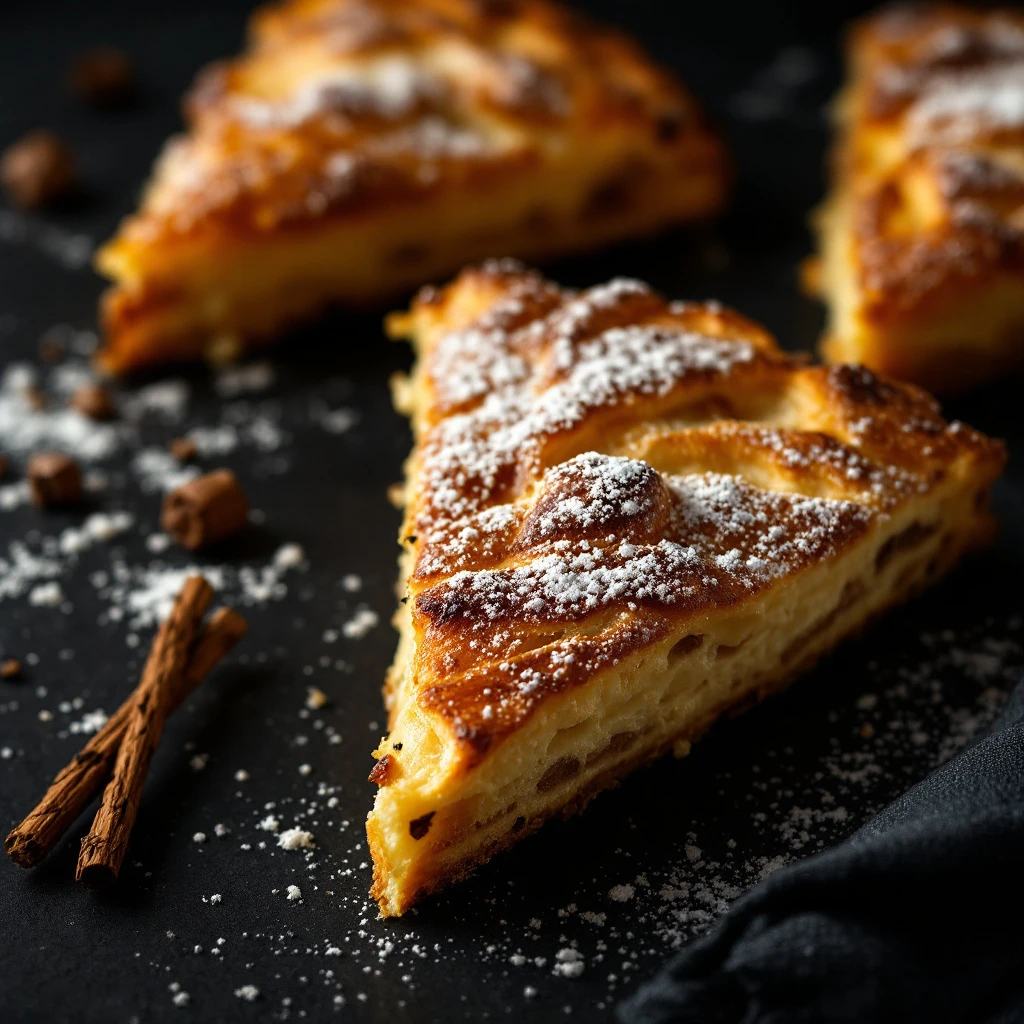
Tartine captures the essence of warm, golden toast fresh from the oven—a cozy, edible note that brings comfort and home to modern fragrances.
Heritage
While bread has perfumed human spaces since ancient Egypt, the concept of tartine as a fragrance note emerged from 20th-century gastronomic perfumery. French perfumers, working in regions where bread culture runs deep, first explored edible bread notes during the mid-century movement toward realism in scent. The connection runs deeper than metaphor: ancient Egyptians burned bread offerings to honor deities, and medieval Europeans used grain-scented preparations in religious contexts. The modern tartine note synthesizes thousands of years of bread's sensory significance into a format that captures nostalgia, morning rituals, and the simple pleasure of warm toast. Contemporary fragrance houses have embraced this note for its ability to ground compositions in domestic warmth.
At a Glance
1
Feature this note
Not Classified
Olfactive group
France
Primary source region
Ingredient Details
Synthetic reconstruction
Conceptual/Not applicable
Did You Know
"In French households, tartine is the beloved morning ritual of bread with butter and preserves—now reimagined as a scent experience."