Poire
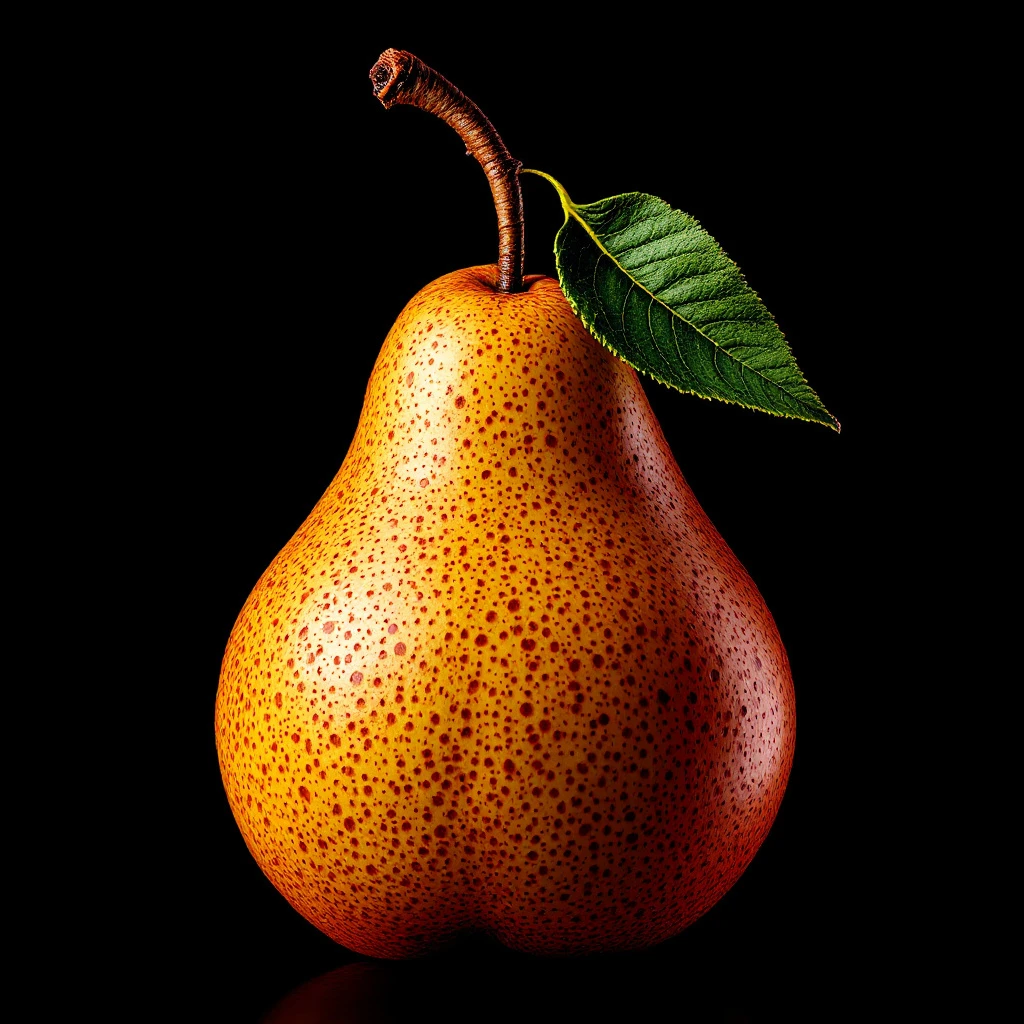
Poire captures the bright, ephemeral sweetness of ripe pear. A challenging note to capture naturally, it appears in perfumery as both rare natural essence and artful synthetic reconstruction, lending freshness to countless fragrance compositions.
Character
How it smells
Fresh, sweet, and fleeting. Nature's most delicate fruit note.
True natural pear absolute is so rare that most perfumers work with high-quality synthetic recreations that capture the fruit's crisp, green character.
Pairs beautifully with



Origin
China
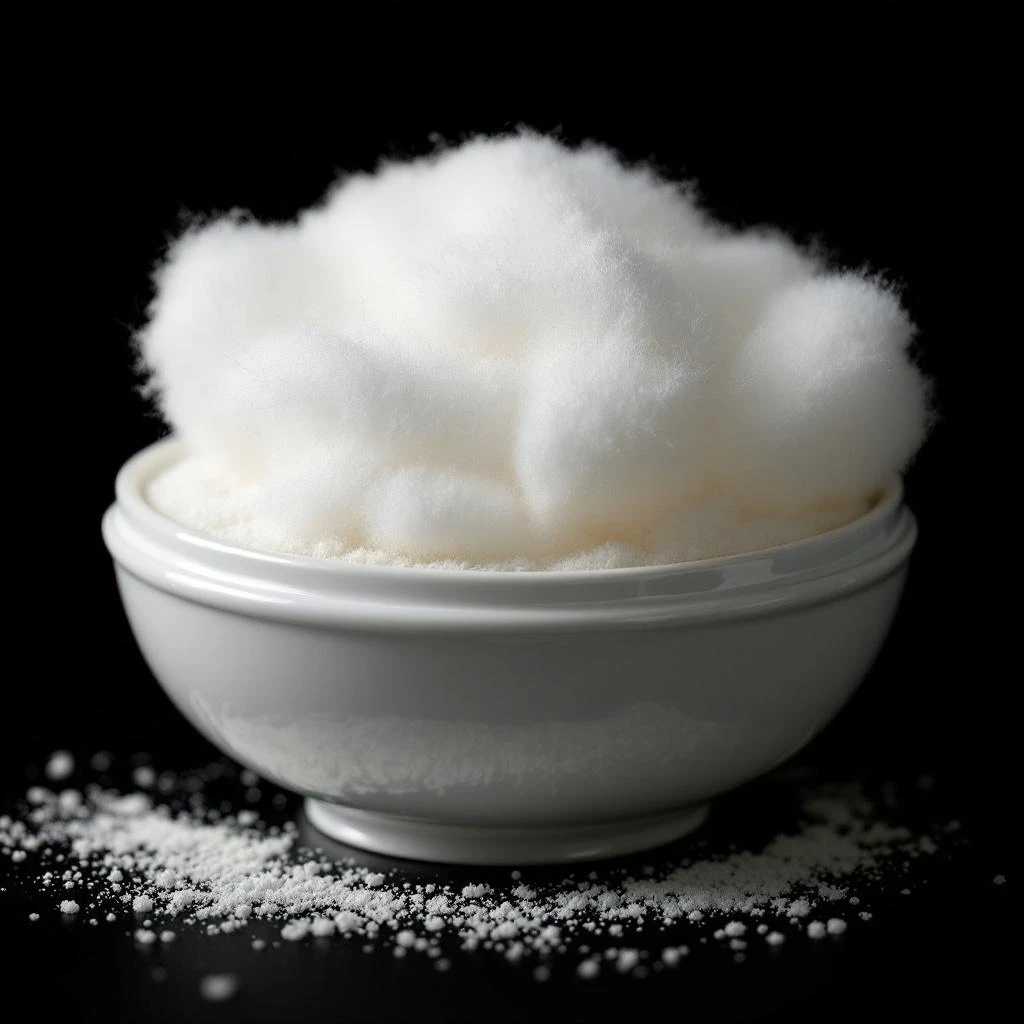
Pears rank among humanity's oldest cultivated fruits, with evidence of cultivation stretching back 3,000 years to ancient China. The fruit traveled westward along Silk Road trade routes, reaching Mediterranean civilizations where Greeks and Romans treasured both the fruit and its symbolic meaning. Pears represented longevity and wisdom in Chinese tradition, while European folklore associated the tree with prosperity.
Perfumery began incorporating pear notes much later, emerging during the 19th century shift toward fruit-themed compositions as synthetic chemistry expanded the perfumer's palette. Before modern aromachemicals, capturing pear's fleeting freshness required exceptional skill, making the note a mark of technical mastery.
Wears it best
Fragrances featuring Poire
Brands
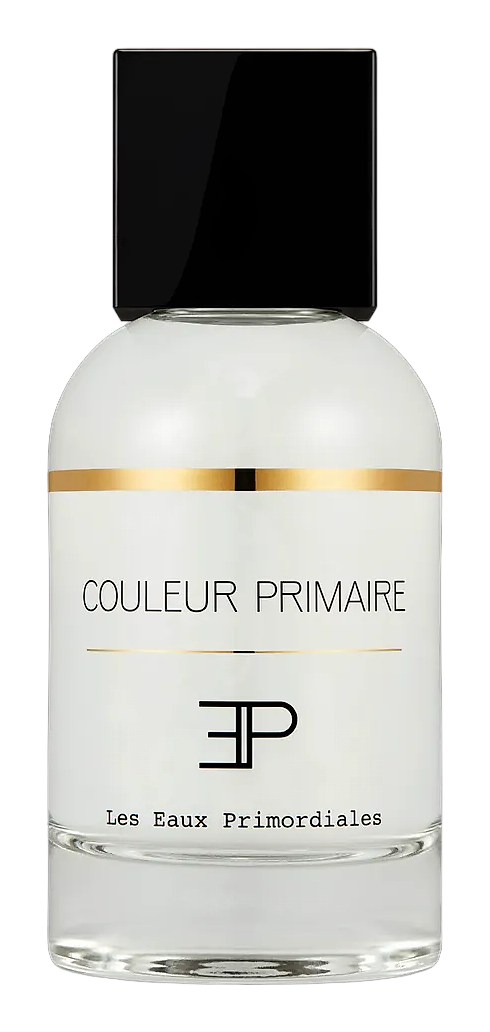
Brands known for Poire
Good to know
Questions, answered
The essentials on Poire in perfumery: how it smells, where it comes from, and how it behaves on skin.
Is natural pear absolute used in perfumes?
Rarely. True natural pear absolute is extremely uncommon because the fruit's aromatic compounds do not survive conventional extraction. Most perfumes featuring a pear note rely on synthetic aroma chemicals that reproduce the scent.
What gives pear its characteristic scent?
Isoamyl acetate delivers pear's signature fruity sweetness, while green note molecules create the crisp, just-cut quality. Together they approximate the Williams pear variety most fragrance houses reference.
Which famous perfumes feature a strong pear note?
Chanel Coco Mademoiselle, Dior Addict, and countless niche fragrances showcase pear. The note appears frequently in modern women's perfumery as a fresh, approachable top note.
Can you smell real pear in a perfume?
Not in the way you might expect. Synthetic pear notes smell convincing and recognizable, but they lack the complex nuance of natural fruit. The reconstruction prioritizes recognizable character over botanical authenticity.
Why is pear considered a top note?
Pear aroma molecules are highly volatile, meaning they evaporate quickly once applied. This makes them ideal for creating an immediate burst of freshness that fades within the first hour of wear.
Are there different types of pear used in perfumery?
Most fragrance houses reference the Williams pear, known for its balanced sweet-tart character. Some perfumers seek inspiration from green Anjou or Bartlett varieties for different facet presentations.
Does synthetic pear smell artificial?
Quality matters enormously. Well-crafted synthetic pear notes can smell remarkably natural, while poor formulations produce a flat, candy-like character. The skill lies in replicating the fruit's subtle green undertone.
What fragrance families pair well with pear?
Pear harmonizes with florals like jasmine and rose, creating bright fruity-floral effects. It also works with woody bases and aquatic notes, lending freshness without sharpness.