Iris Germanica Orpur
Iris germanica Orpur® captures the rarest heart of the orris root—three to five years of patient cultivation distilled into a single drop of precious butter. This Moroccan-grown treasure delivers the signature powdery-violet softness that perfumers call the 'diamond of perfumery'.

Character
How it smells
The diamond of perfumery—powdery, violet, irreplaceable.
Iris rhizomes must grow for three to five years before harvest—longer than most perfume ingredients require.



Origin
Morocco
Orris has enchanted civilizations for millennia. Ancient Egyptians prized iris rhizomes for medicine and cosmetics, crafting a perfume called 'Kophia' that adorned nobility.
Roman physicians prescribed orris preparations for everything from digestive ailments to breath freshening. The ingredient truly ascended in Renaissance Europe when Catherine de Medici, the queen of France, popularized powdered perfumes made from orris root at the royal court.
French perfumers of the 19th century embraced orris essence extracted through complex distillation, creating the soft, powdery fragrances that defined an era. By this time, orris had become one of the most coveted ingredients in European perfumery—a status it retains today as one of the world's most expensive natural materials.
Wears it best
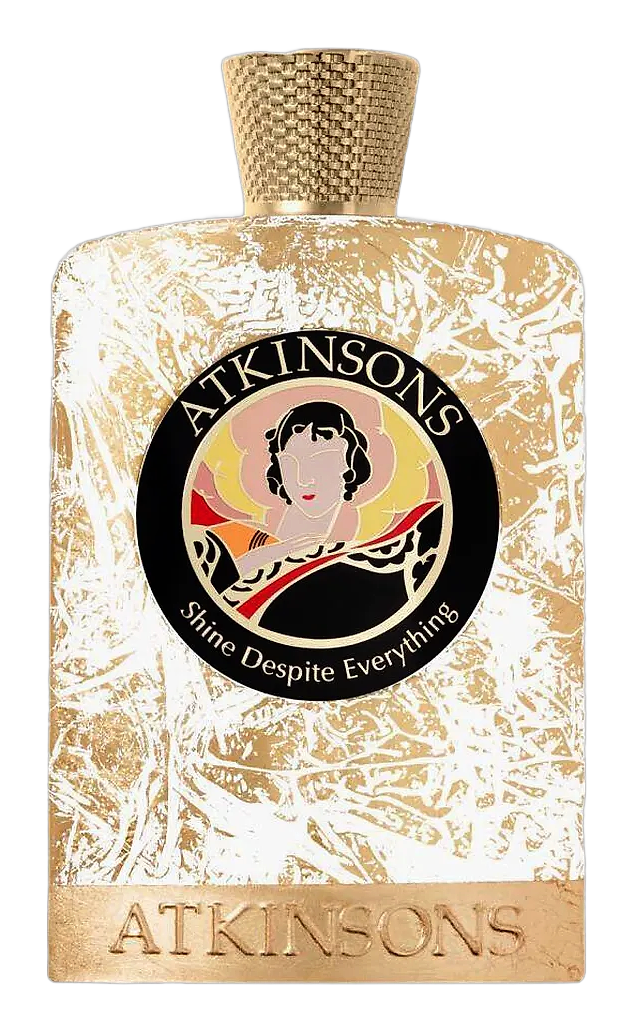
Fragrances featuring Iris Germanica Orpur
Brands
Brands known for Iris Germanica Orpur
Good to know
Questions, answered
The essentials on Iris Germanica Orpur in perfumery: how it smells, where it comes from, and how it behaves on skin.
What does Iris germanica Orpur® smell like?
Orpur® Iris germanica delivers a powdery, violet-floral scent with soft woody undertones. It reads as clean, elegant, and slightly sweet—like the inside of a vintage powder compact.
Why is orris one of the most expensive perfume ingredients?
Rhizomes require three to five years of cultivation before harvest, and extraction yields are low. Roughly one kilogram of butter comes from a hectare of iris flowers.
How is Orpur® Iris germanica different from synthetic iris notes?
Orpur® captures the full complexity of natural orris—its natural violet facet, warm woody base, and subtle creamy sweetness cannot be fully replicated by synthetic alternatives.
What fragrance families pair well with Iris germanica Orpur®?
It complements florals like rose and violet, woody notes such as sandalwood, and oriental bases with amber or vanilla. Chanel No. 19 showcases this versatility.
Does orris appear in men's or women's fragrances?
Both. Its versatile powdery-violet character reads as gender-neutral in modern perfumery and appears in everything from classical chypres to contemporary soft masculines.
What is the difference between Iris germanica and Iris pallida orris?
Iris pallida (primarily Italian) offers a more refined, sophisticated scent profile. Iris germanica (Moroccan) is more robust and easier to cultivate with a slightly earthier character.
How long has orris been used in perfumery?
Documented use dates to ancient Egypt, where iris rhizomes appeared in the perfume 'Kophia'. It became a European perfumery staple during the Renaissance.
Why do perfumers call orris the 'diamond of perfumery'?
Its rarity, cultivation time, and extraction complexity command prices around $150,000 per kilogram. Like a diamond, its value stems from natural scarcity and enduring demand.