Grasse rose CO2
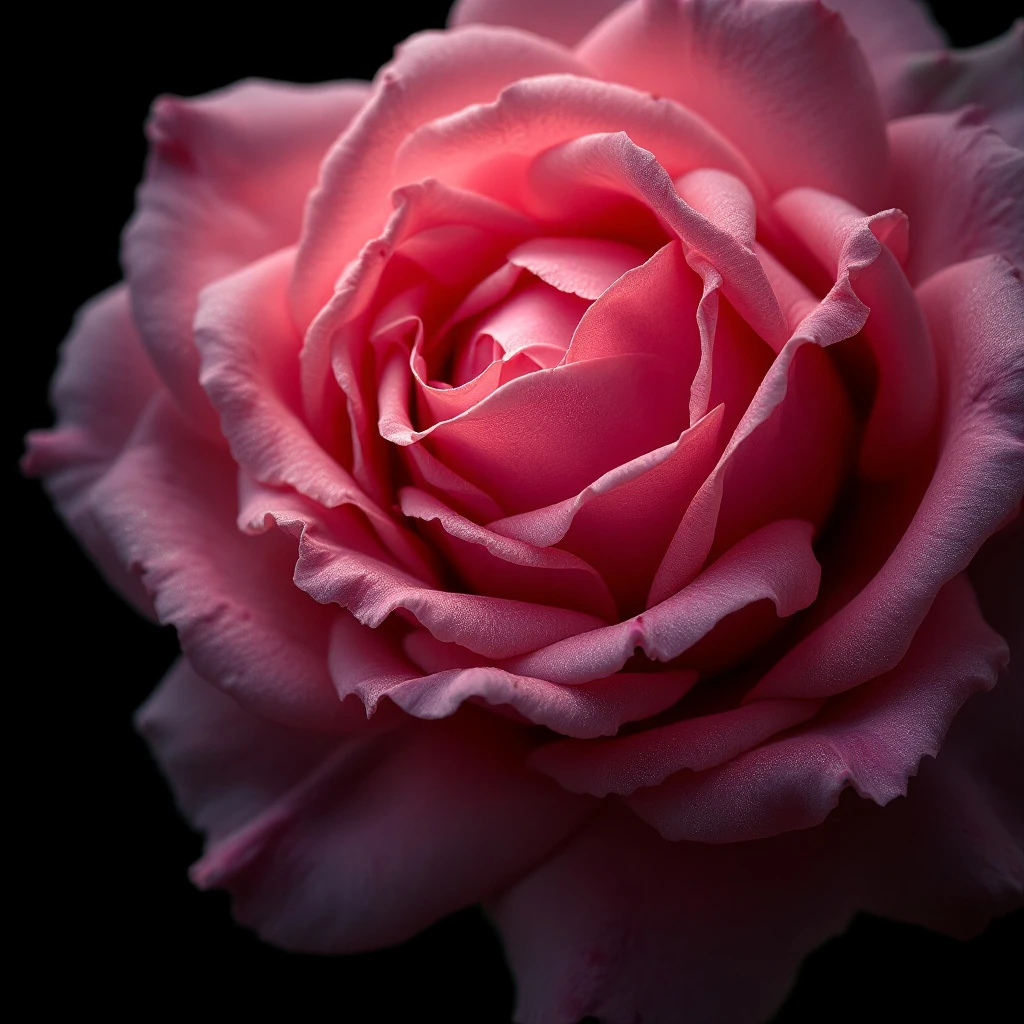
Rose absolute from Grasse, France, extracted using supercritical CO2 to capture the complete aromatic profile of Rosa centifolia with unmatched fidelity.
Character
How it smells
The benchmark rose of French perfumery, preserved through modern extraction.
It takes roughly a ton of rose petals to produce a single kilogram of extract, regardless of method used.
Pairs beautifully with

Origin
France
Grasse became the center of French perfumery by accident. Between the 12th and 16th centuries, the town supported a thriving leather tanning industry, and the pungent odors from that work displeased the local nobility. Tanneries began experimenting with scented gloves and gloves perfumed with lavender and rose to mask the smell.
That pragmatic pivot transformed Grasse into a perfume capital. By the 16th century, Grasse suppliers were already serving Persian scent-makers with raw aromatic materials. The rose cultivated in Grasse for perfumery is Rosa centifolia, also known as Rose de Mai, which arose as a deliberate mutation of Rosa gallica, a species originally native to Asia Minor.
French cultivators refined this rose over centuries into a flower prized specifically for its olfactive richness rather than its beauty. Modern CO2 extraction technology allows contemporary Grasse houses to honor that heritage while working with greater material efficiency and extraction completeness than earlier generations could achieve.
Wears it best
Fragrances featuring Grasse rose CO2
Brands
Brands known for Grasse rose CO2
Good to know
Questions, answered
The essentials on Grasse rose CO2 in perfumery: how it smells, where it comes from, and how it behaves on skin.
What is Grasse rose CO2 extract?
It is a rose extract produced in Grasse, France, using supercritical carbon dioxide as the extraction solvent. This method captures the complete aromatic profile of Rosa centifolia petals with high fidelity, yielding a rich absolute used in fine perfumery.
How does CO2 extraction differ from steam distillation for roses?
Steam distillation uses heat to vaporize aromatic compounds, which can damage temperature-sensitive molecules. CO2 extraction operates near room temperature, preserving heavier fragrance molecules that steam distillation misses. The result is a more complete, true-to-flower extract.
What does Grasse rose CO2 smell like?
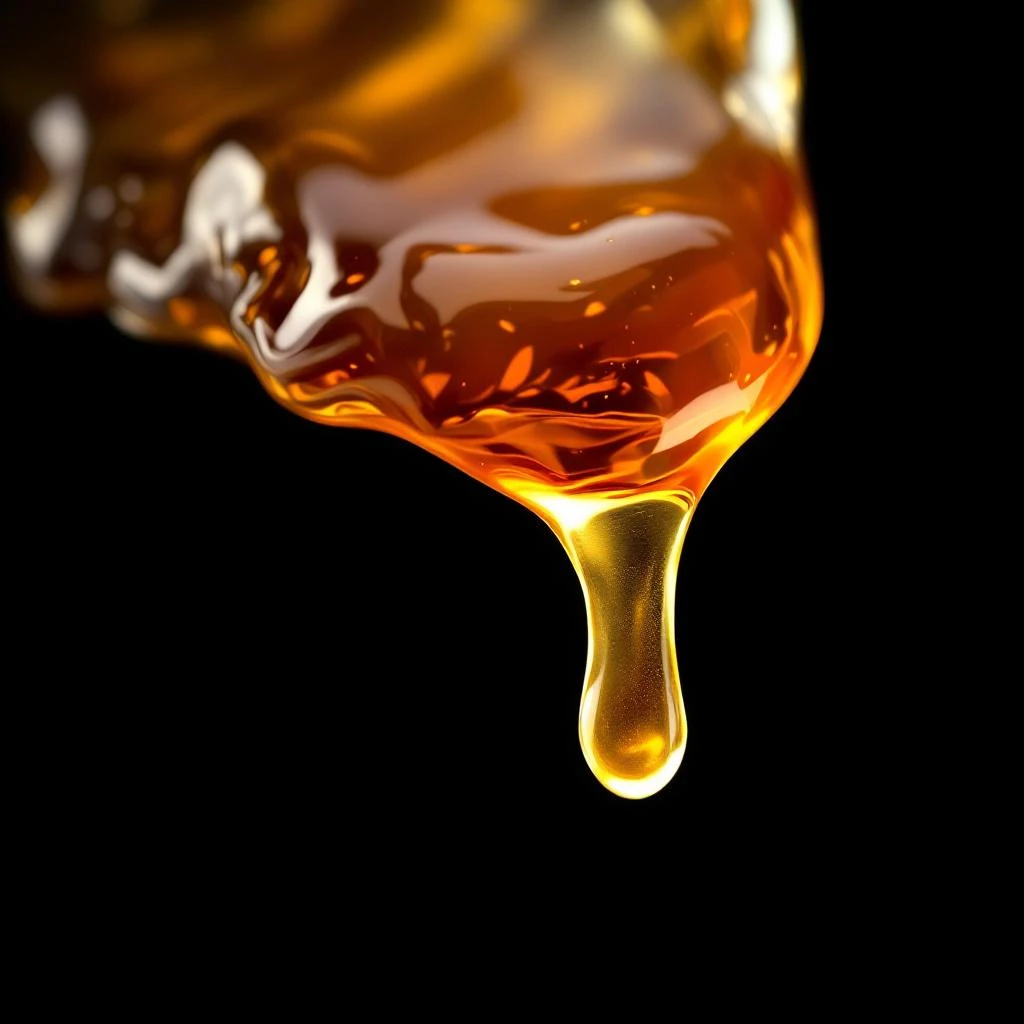
The extract delivers a deep, multi-layered rose character combining fresh petal brightness with rich honeyed warmth and a subtle green stem-like quality. It reads as more complete and rounded compared to rose essential oil obtained by hydrodistillation.
Is CO2 extracted rose considered natural?
Yes. The extract is classified as natural because CO2 returns to its original gaseous state after extraction, leaving no solvent residue in the final aromatic material. It undergoes no chemical modification during the process.
Why does Grasse matter for rose cultivation in perfumery?
Grasse has cultivated Rosa centifolia for over four centuries specifically for fragrance use, refining growing and harvesting practices to maximize olfactory quality. The region's microclimate and soil conditions produce a rose with a distinct aromatic character recognized throughout the industry.
How much rose material is needed to produce one kilogram of extract?
Approximately one ton of rose petals yields one kilogram of extract, regardless of the extraction method employed. This extreme ratio reflects the sheer volume of raw botanical material required to capture the fragrance at sufficient concentration.
What role did Grasse play in the origins of modern perfumery?
Grasse shifted from leather tanning to perfumery in the 16th century when tanners needed to mask unpleasant odors for nobility. By the 1600s, the town supplied perfume materials to Persian scent-makers and had established itself as Europe's primary fragrance production center.
Can rose CO2 extract replace rose essential oil in a formula?
Yes, and it often performs better in certain applications. Rose CO2 extract provides a broader aromatic palette including heavier molecules absent in essential oil, giving perfumers richer tonal depth and greater formulation flexibility.