Fruit Salad
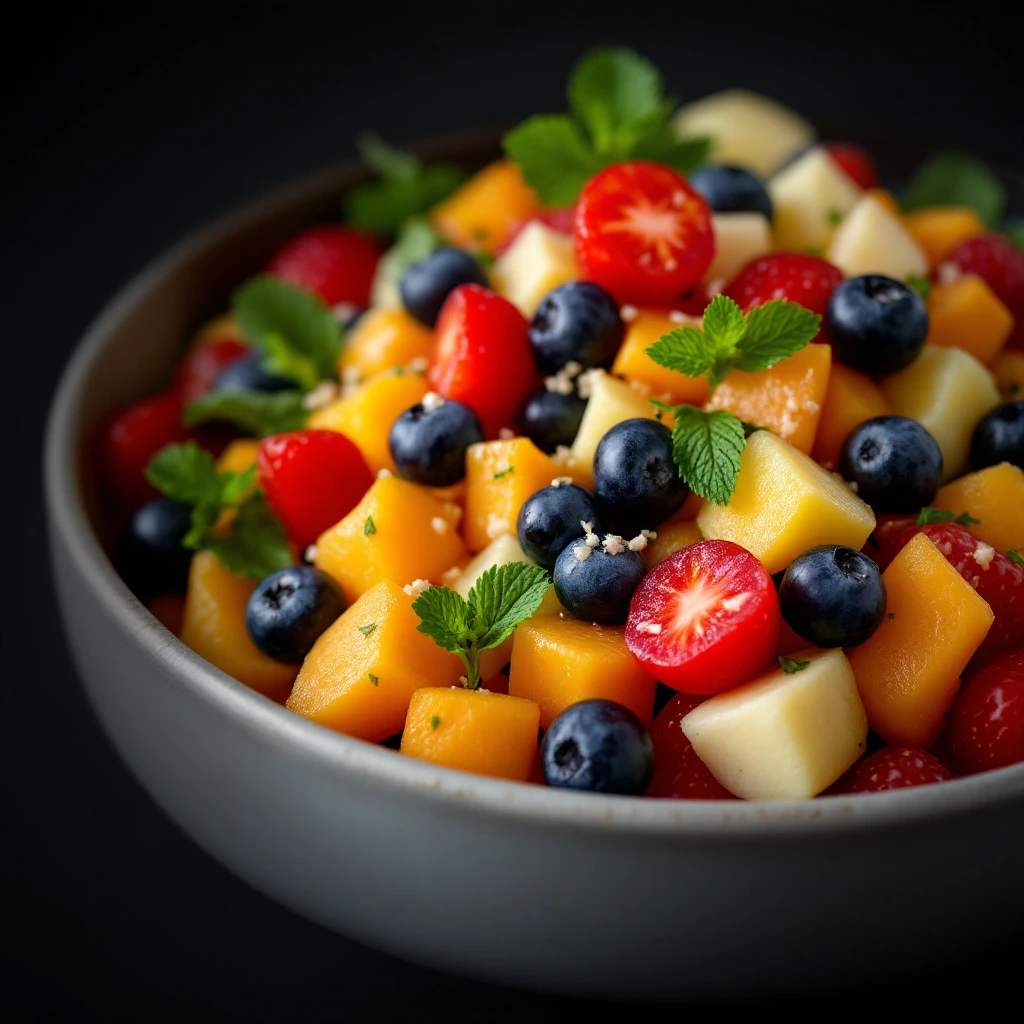
An aromatic illusion of nature's bounty—a vibrant blend of fruity ester compounds that captures the sun-drenched sweetness of ripening orchard fruits in a single accord.
Character
How it smells
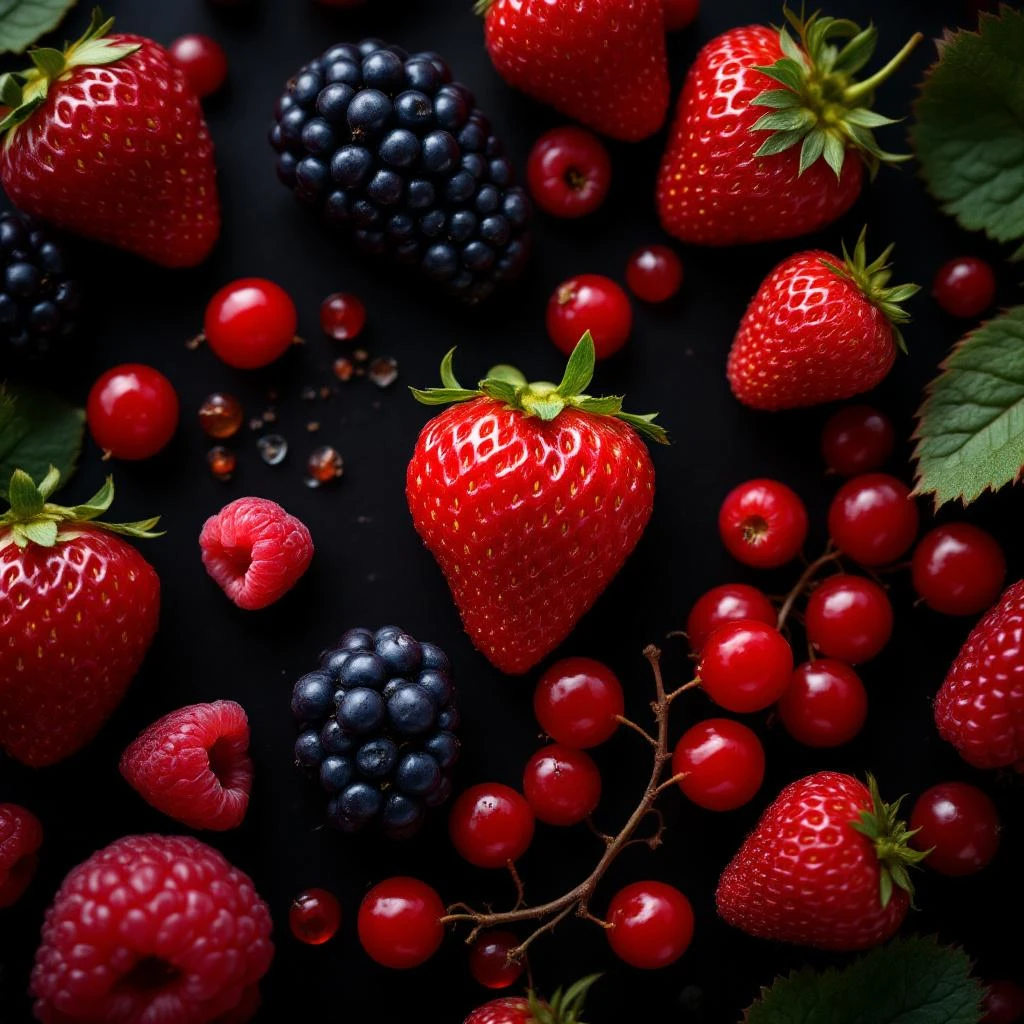
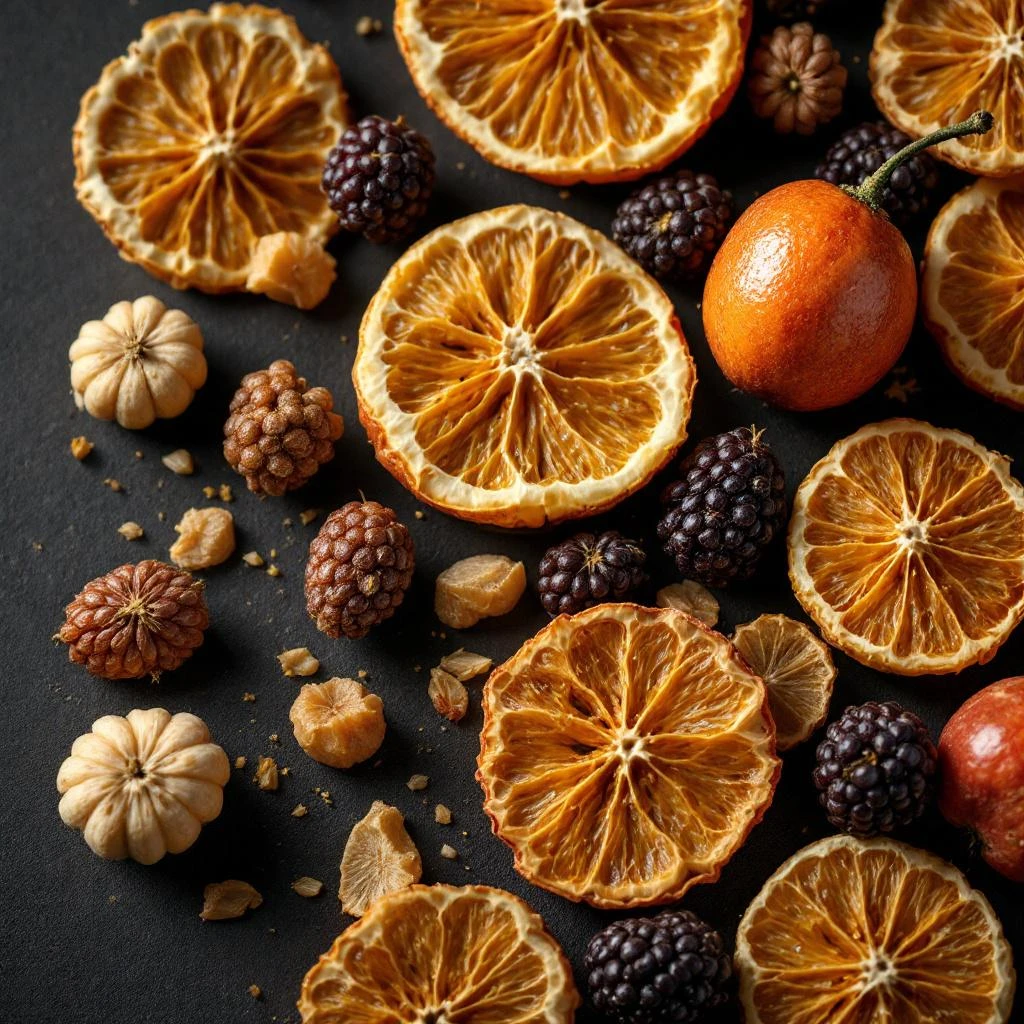
Summer in a bottle: the lush aroma of mixed orchard fruits
Fruity notes only entered high-end perfumery in the 1960s, when advanced aldehydic chemistry unlocked their use in luxury fragrances.




Origin
Laboratory origin
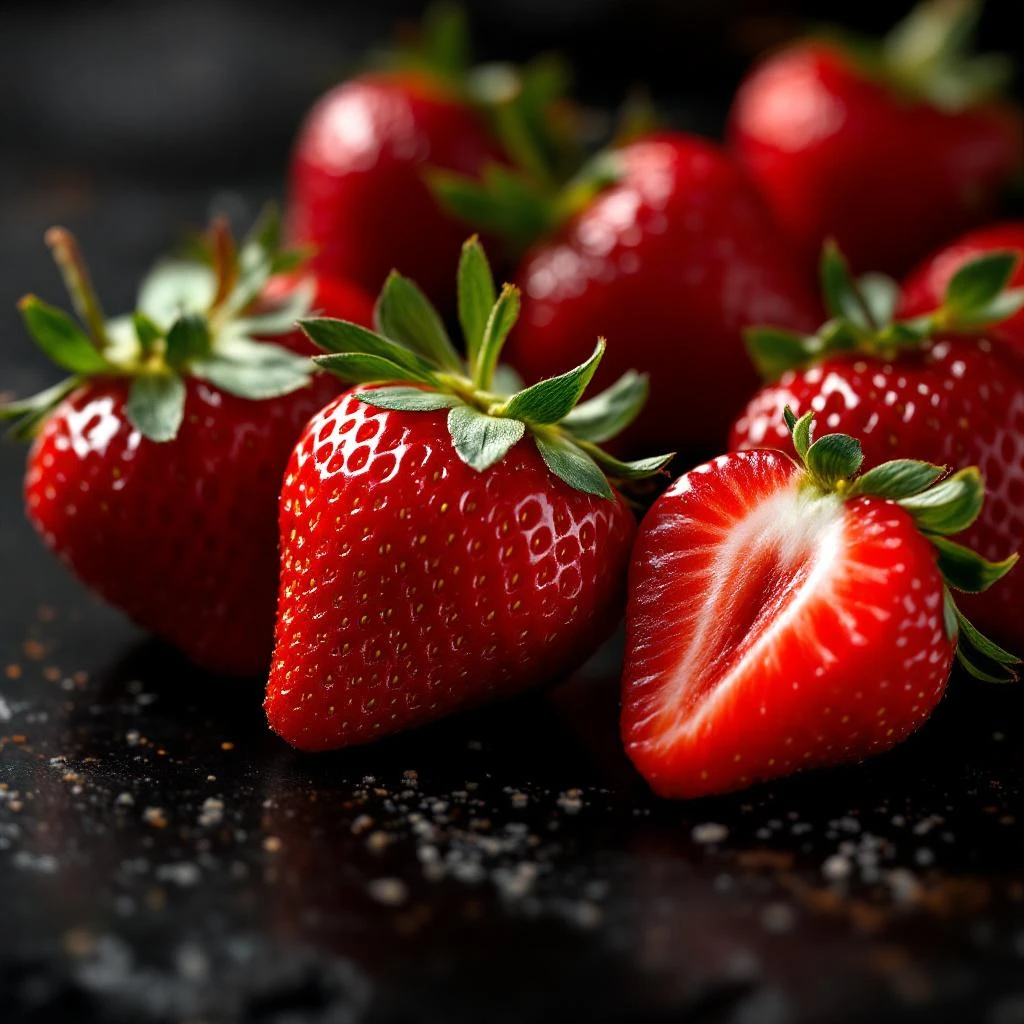
Before the twentieth century, perfumers could not reliably capture true fruit scents. Natural fruit essential oils lack the volatility and stability required for perfume composition, leaving parfumeurs to work with floral and herbal materials instead.
The isolation of key fruit ester compounds in the 1890s marked an initial breakthrough, but these early synthetics read as chemical and crude. True fruity success arrived in the 1960s when European fragrance houses, particularly French and Swiss laboratories, refined aldehydic fruity chemistry.
This advancement coincided with shifting consumer tastes favoring bright, youthful fragrances. By the 1970s, fruity-floral combinations had become signature elements in mainstream perfumery, eventually crossing into luxury market segments where they now feature prominently in designer and niche creations alike.
Wears it best
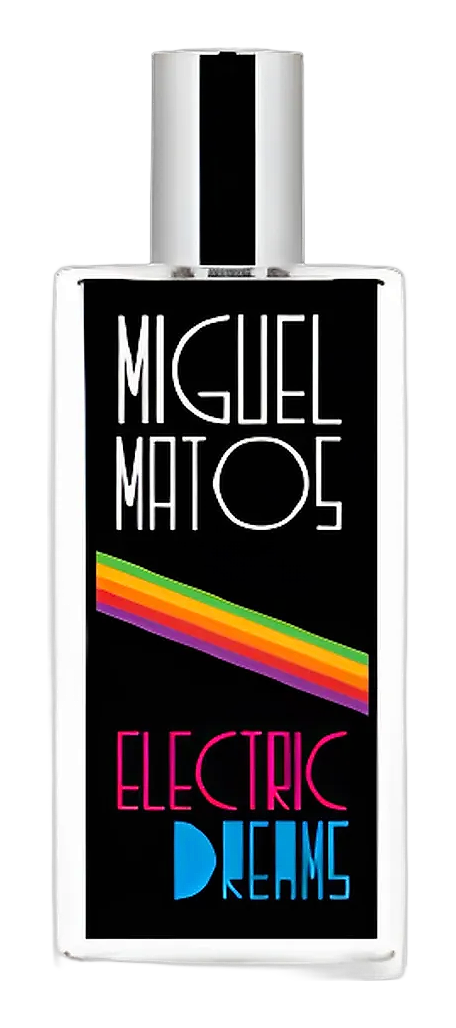
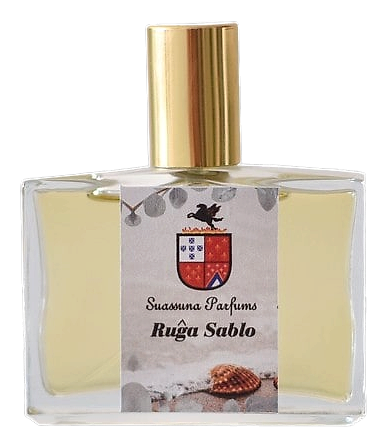
Fragrances featuring Fruit Salad
Brands
Brands known for Fruit Salad
Good to know
Questions, answered
The essentials on Fruit Salad in perfumery: how it smells, where it comes from, and how it behaves on skin.
What is Fruit Salad in perfumery?
Fruit Salad describes a blended fruity aroma accord combining multiple ester compounds to evoke the combined scent of various ripe orchard fruits. It functions as a single fragrance note representing peach, berry, pear, and citrus characters together.
Is Fruit Salad a natural ingredient?
No. Fruit Salad is a synthetic construction created by combining specific aromatic ester compounds in precise ratios. No single plant or extraction method produces this natural fruit combination.
What creates the individual fruit notes within the accord?
Each fruit note comes from a distinct synthetic ester. Gamma-decalactone provides peach warmth, ethyl butyrate delivers strawberry sweetness, isoamyl acetate contributes banana brightness, and geranyl butyrate adds tropical facets.
When did fruity notes enter luxury perfumery?
Fruity accords became viable in luxury perfumery during the 1960s, when aldehydic fruity chemistry advanced sufficiently for use in premium formulations. Prior to this, fruity scents read as synthetic or cheap in high-end fragrances.
What fragrances use Fruit Salad prominently?
Many contemporary fragrances feature Fruit Salad accords, particularly women's and gender-neutral fruity-floral compositions. Researching fruity fragrance categories on Silloria reveals specific formulations using this note.
How does Fruit Salad differ from single fruit notes?
Single fruit notes isolate one fruit character, while Fruit Salad combines multiple fruit esters to create a blended, complex fruitiness similar to actual mixed fruit. The combination produces richer, more natural-looking results than any individual fruit.
Does Fruit Salad fade quickly in fragrance?
Many fruity ester compounds are top note materials, meaning they volatilize relatively quickly. Fragrance longevity depends on the formula's complete composition and the presence of fixative materials that anchor lighter fruity elements.
Can I find natural alternatives to Fruit Salad?
Natural fruit absolutes exist but remain uncommon due to extraction challenges and cost. Yuzu, osmanthus absolute, and certain berry extracts offer natural fruity facets, though none match the comprehensive fruit basket character of a well-constructed synthetic accord.