Coconut wax
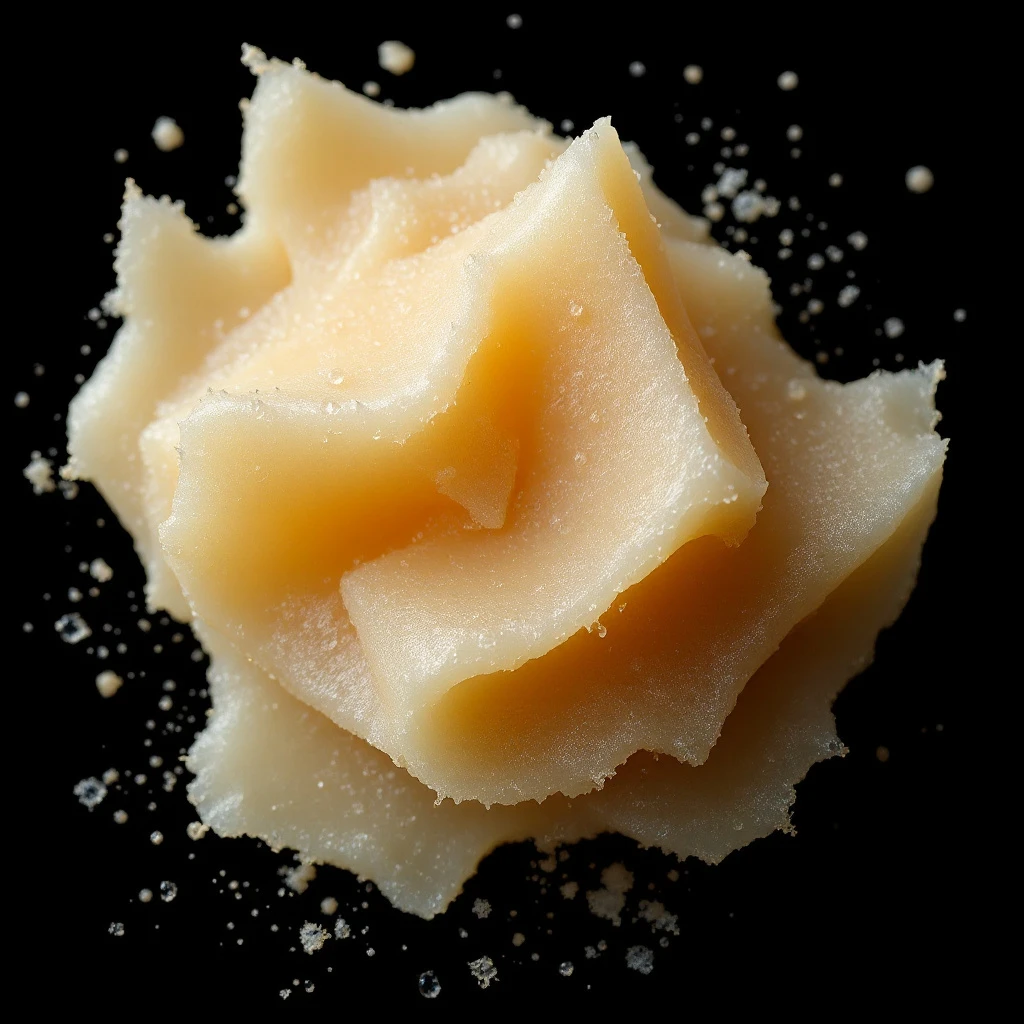
Coconut wax brings a soft, tropical warmth to fragrances. This creamy vegetable wax anchors sunny, beach-inspired compositions and adds a smooth, lingering finish that evokes sun-warmed skin and salt-tinged air.
Character
How it smells
Tropical warmth in every note
Coconut palms yield up to 75 fruits annually, and coconut wax captures the fruit's characteristic sweet-creamy aroma without any added fragrance compounds.


Origin
Philippines
Coconut has shaped tropical cultures for thousands of years, serving as food, medicine, and building material across the Pacific and Indian Ocean regions. Polynesian navigators carried coconuts on voyages, establishing groves throughout island chains.
The coconut palm became so essential to these societies that it earned the name 'tree of life.' Perfumery interest in coconut emerged later, gaining momentum in the 20th century as beach-inspired fragrances grew popular.
Natural coconut wax as a perfume medium developed alongside the solid fragrance revival of recent decades, offering an eco-conscious alternative to synthetic fixatives and petroleum-derived waxes. Today, coconut wax appears in artisan solid perfumes, home fragrances, and high-end candles, valued for its renewable sourcing and its ability to evoke tropical landscapes through scent.
Wears it best
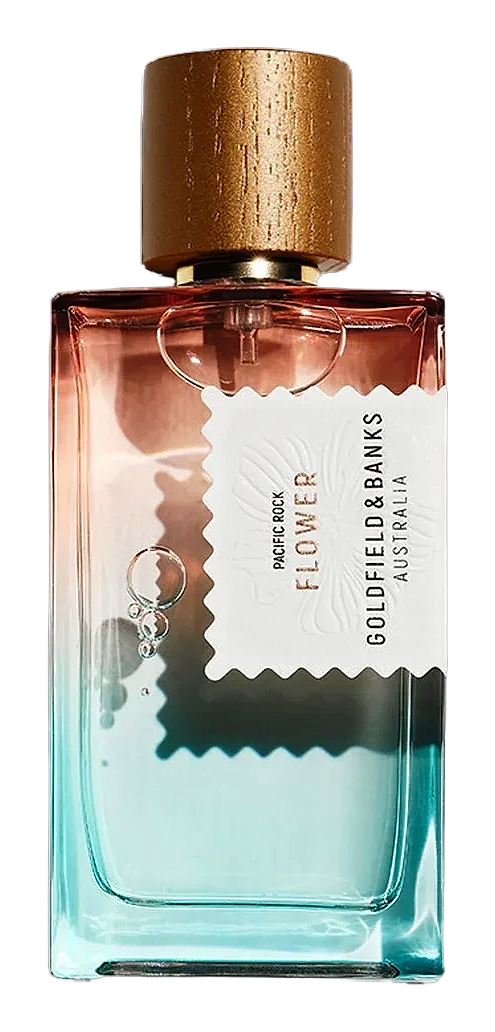
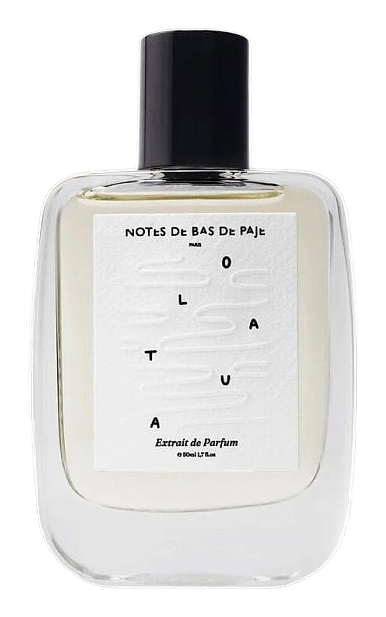
Fragrances featuring Coconut wax
Brands
Brands known for Coconut wax
Good to know
Questions, answered
The essentials on Coconut wax in perfumery: how it smells, where it comes from, and how it behaves on skin.
What does coconut wax smell like in perfumery?
Coconut wax has a subtle, sweet-creamy scent reminiscent of fresh coconut meat. It adds warm, tropical undertones to fragrances without overwhelming other notes, and works best in beach-inspired, summer, or skin-scent compositions.
Is coconut wax used as a fixative in perfumes?
Yes. Coconut wax acts as a natural fixative due to its fatty acid composition. It slows fragrance evaporation and helps scents linger on the skin for several hours.
How does coconut wax compare to coconut absolute?
Coconut absolute is a highly concentrated aromatic extract used for its scent. Coconut wax serves primarily as a base material and fixative, with a much subtler aroma. The wax carries other fragrance ingredients while contributing its own creamy warmth.
What countries produce coconut wax for perfumery?
The Philippines, Indonesia, and Sri Lanka lead coconut wax production. These tropical nations provide the humid, coastal conditions where coconut palms thrive and produce the fruit used for wax extraction.
Can coconut wax cause allergic reactions?
Coconut is a food allergen for some individuals. While refined coconut wax contains minimal proteins, those with coconut allergies should exercise caution and perform patch tests before using products containing this material.
Is coconut wax sustainable as a perfume ingredient?
Coconut palms require no irrigation or fertilizer, making them relatively low-impact crops. The wax also repurposes copra that might otherwise go to lower-value uses, supporting sustainable supply chains.
What fragrance families pair well with coconut wax?
Coconut wax complements tropical, floral, and marine fragrance families. It works particularly well with white florals like tuberose and ylang-ylang, as well as with marine and coconut notes themselves.
How should coconut wax be stored in perfumery?
Store coconut wax in a cool, dark place in airtight containers. Its melting point is relatively low, so avoid exposure to heat. Proper storage preserves both the wax texture and its scent-carrying properties.