Coastal tea tree
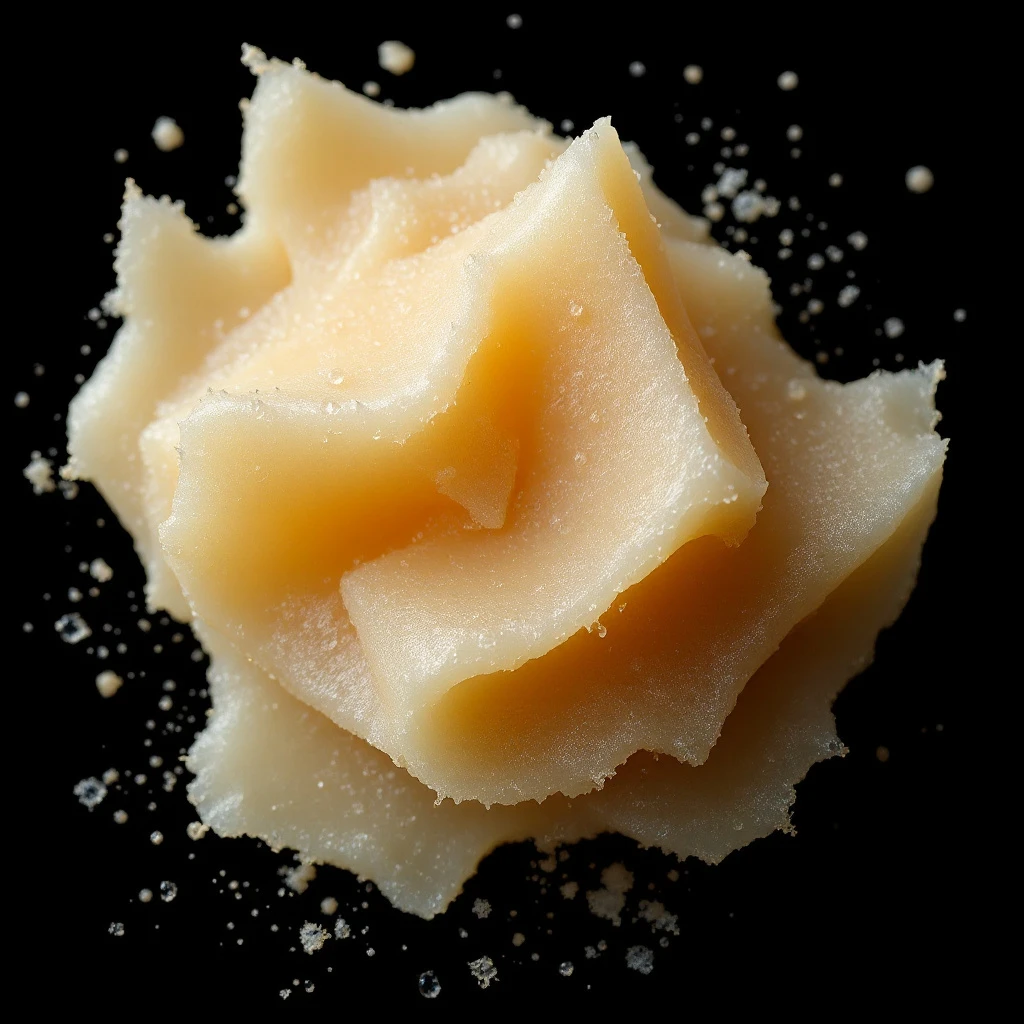
Essential oil from Melaleuca alternifolia native to Australia's eastern wetlands. Steam-distilled from fresh leaves and twigs, coastal tea tree delivers crisp, medicinal-fresh aroma with green, cineolic character prized in modern perfumery.
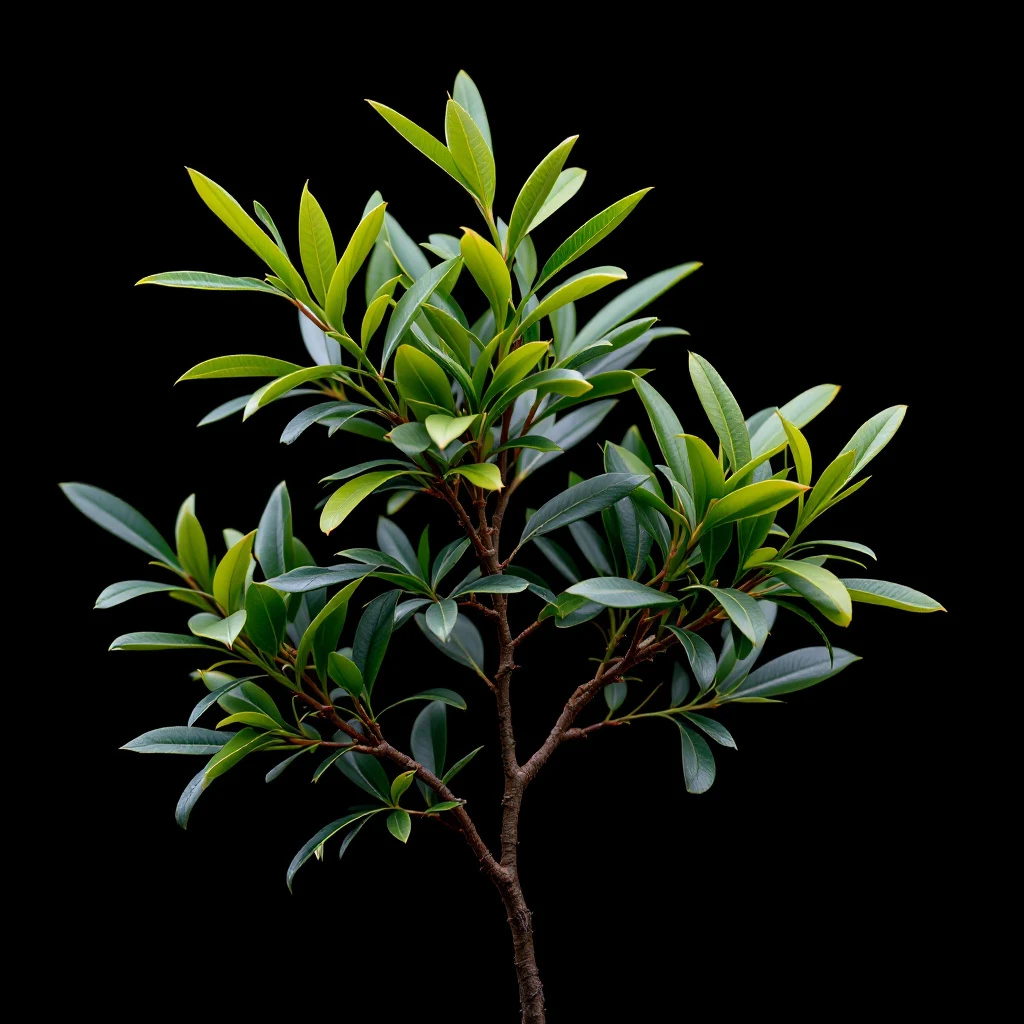
Character
How it smells
Australia's coastal botanical with crisp, medicinal freshness.
Captain Cook and his crew named it after brewing its leaves as a refreshing tea during their 1770 voyage along Australia's east coast.


Origin
Australia
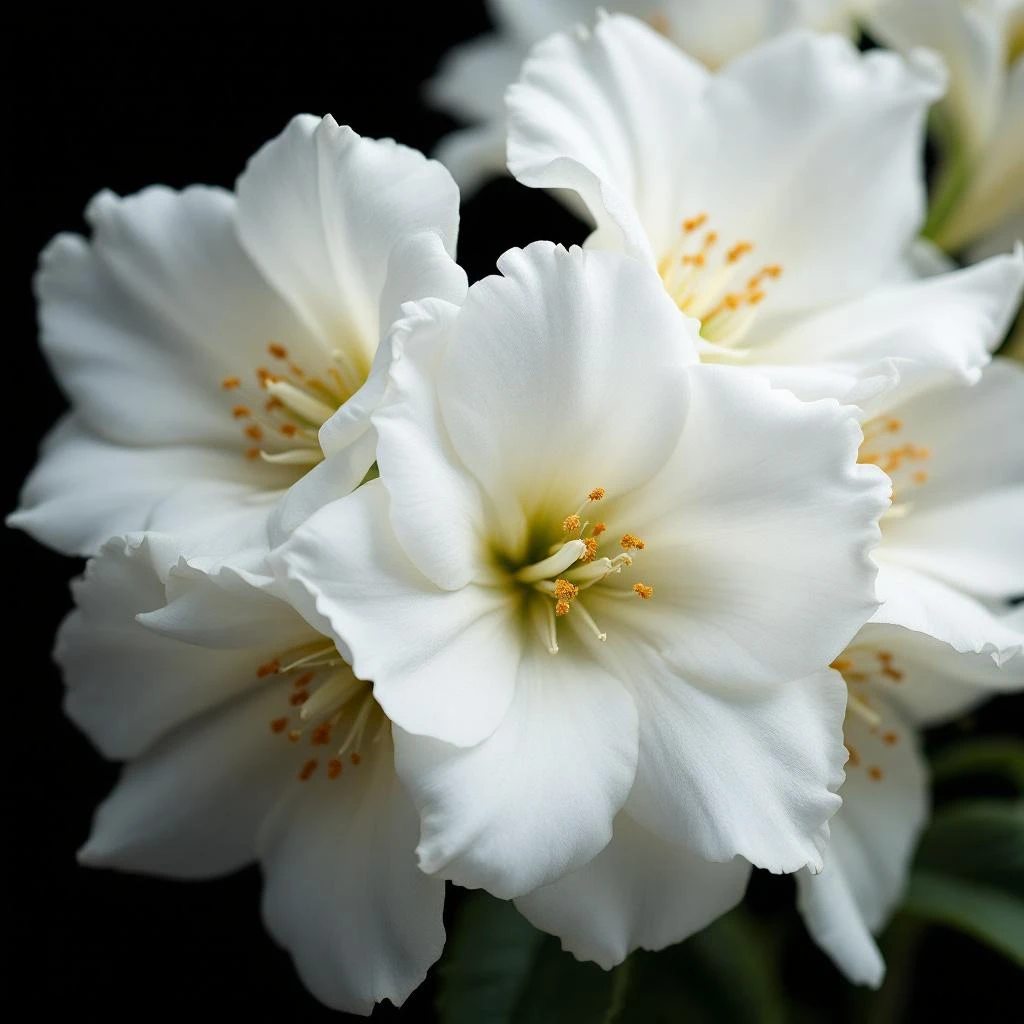
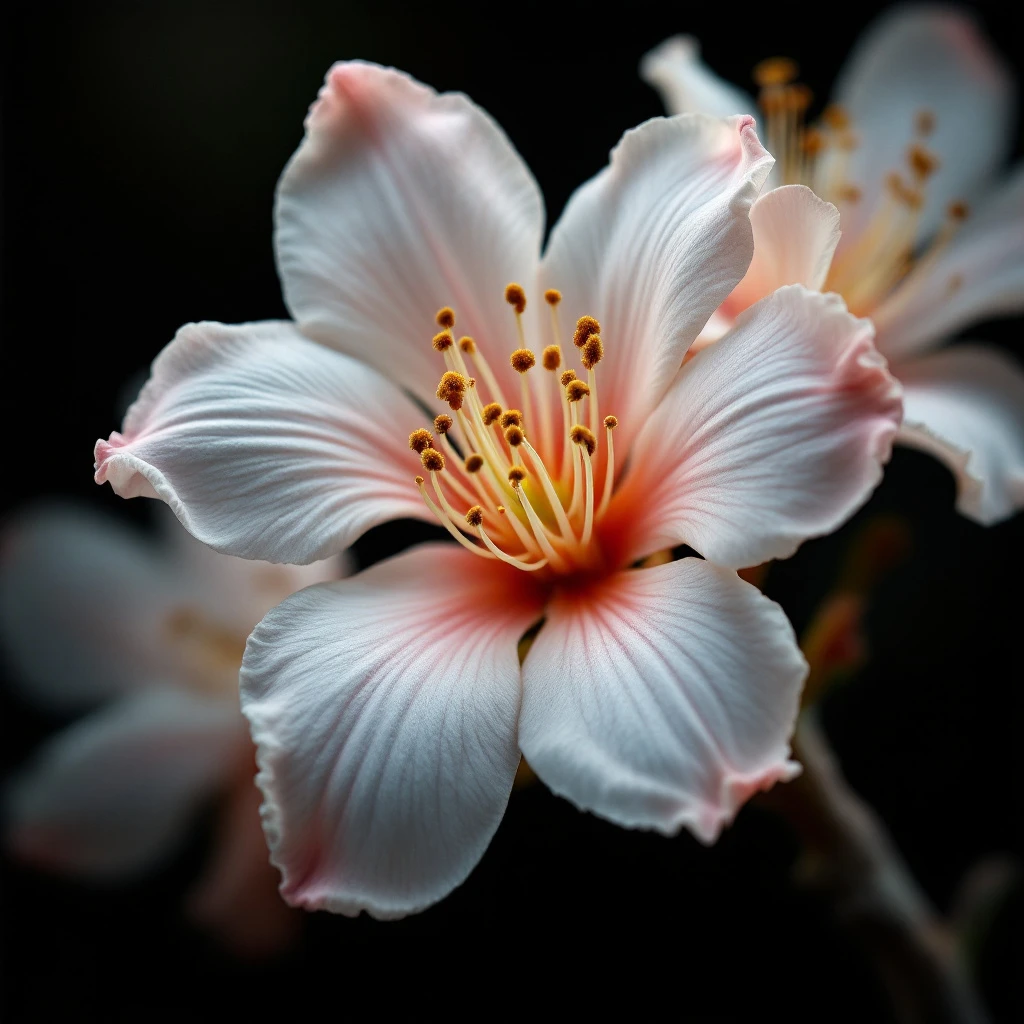
Captain James Cook and his crew first encountered Melaleuca alternifolia during their 1770 voyage along Australia's eastern coast. Observing that Indigenous peoples brewed the leaves into an aromatic beverage, the crew adopted the practice and named the plant accordingly. This brief but consequential encounter introduced tea tree to Western awareness.
Commercial production did not begin until the 1920s, when Arthur Penfold, a researcher at Sydney's Power Museum (now the Powerhouse Museum), published findings on the oil's potent antimicrobial properties. Penfold's work catalyzed Australian production, and by the 1930s the country supplied the global market. The natural cosmetics movement of the 1970s and 1980s renewed interest in plant-derived ingredients, cementing tea tree's role in wellness and fragrance.
Today, Australian producers continue to lead cultivation and distillation, operating under strict quality standards for the international fragrance and cosmetics industries.
Wears it best
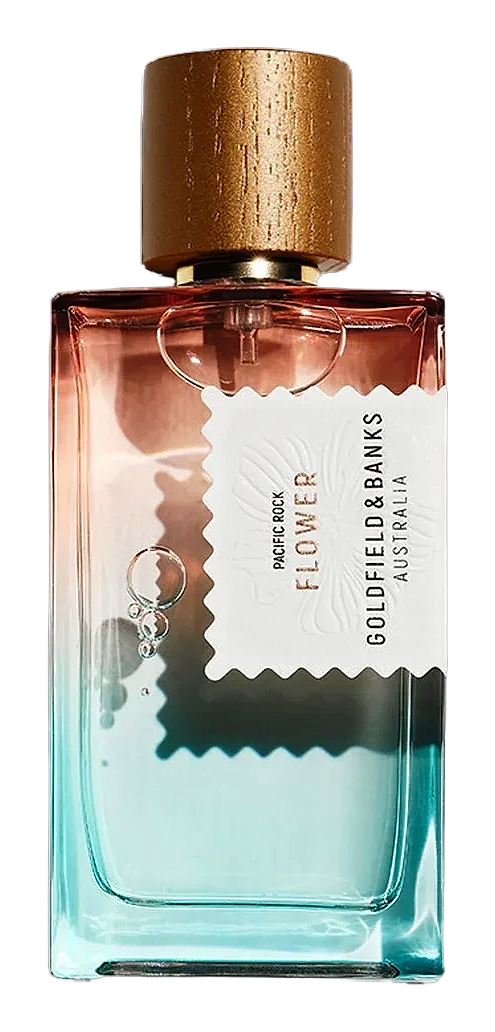
Fragrances featuring Coastal tea tree
Brands
Brands known for Coastal tea tree
Good to know
Questions, answered
The essentials on Coastal tea tree in perfumery: how it smells, where it comes from, and how it behaves on skin.
What is coastal tea tree oil?
Coastal tea tree oil is an essential oil distilled from Melaleuca alternifolia, a plant native to eastern Australia. The fragrance industry uses the term to distinguish wetland-grown specimens from inland varieties.
What does coastal tea tree smell like?
It delivers sharp, medicinal-fresh aroma with green, slightly spicy facets. The scent is clean and aromatic, reminiscent of eucalyptus with a distinctly crisp character.
Where does the name tea tree originate?
Captain Cook's crew coined it in 1770 after brewing the aromatic leaves as a tea-like drink during their Australian voyage. The name stuck despite the plant being unrelated to the tea plant.
How is tea tree oil extracted?
Steam distillation passes superheated steam through freshly harvested leaves and twigs. This releases volatile aromatic compounds, which condense and separate into essential oil and hydrosol.
What are the main chemical components?
Tea tree oil contains over 100 identified compounds. Terpinen-4-ol comprises 30 to 48 percent and drives antimicrobial properties. Gamma-terpinene and 1,8-cineole are major secondary constituents.
Which ingredients pair well with tea tree in fragrance?
Eucalyptus, citrus oils, rosemary, and conifer notes pair naturally with tea tree. Blenders use it to add crispness to herbal and marine compositions.
How is tea tree used in perfumery?
Perfumers dilute the oil to 1 to 5 percent in a fragrance base due to its potency. It performs best as a top-note ingredient, lending fresh, aromatic character to the blend.
How does coastal tea tree differ from standard tea tree oil?
Coastal terroir influences the oil's chemistry. Wetland and maritime conditions can produce slightly elevated cineole levels, yielding a fresher, more aromatic sensory profile.