Character
The Story of Cistus Absolute
Cistus absolute captures the warm, amber heart of the Mediterranean rock rose. This resinous extract has anchored luxury perfumery for over 3,000 years with its balsamic depth and leather-spice warmth.
Heritage
Cistus ladaniferus has been central to Mediterranean perfumery since ancient times. The Egyptians used labdanum in temple incense and cosmetics. Greeks and Romans burned it as sacred incense and incorporated it into herbal remedies. Ancient texts from Rome and Egypt document its trade and value. Medieval herbalists continued using labdanum in medicinal preparations. By the Renaissance, European apothecaries stocked it as a prized aromatic material. This botanical heritage connects ancient Mediterranean civilizations directly to modern perfumery, where Cistus absolute remains essential for creating warm, complex fragrances with remarkable staying power. The plant is native to the sun-baked hillsides of Spain, Portugal, Morocco, and throughout the eastern Mediterranean.
At a Glance
6
Feature this note
Other
Olfactive group
Spain
Primary source region
Ingredient Details
Solvent extraction
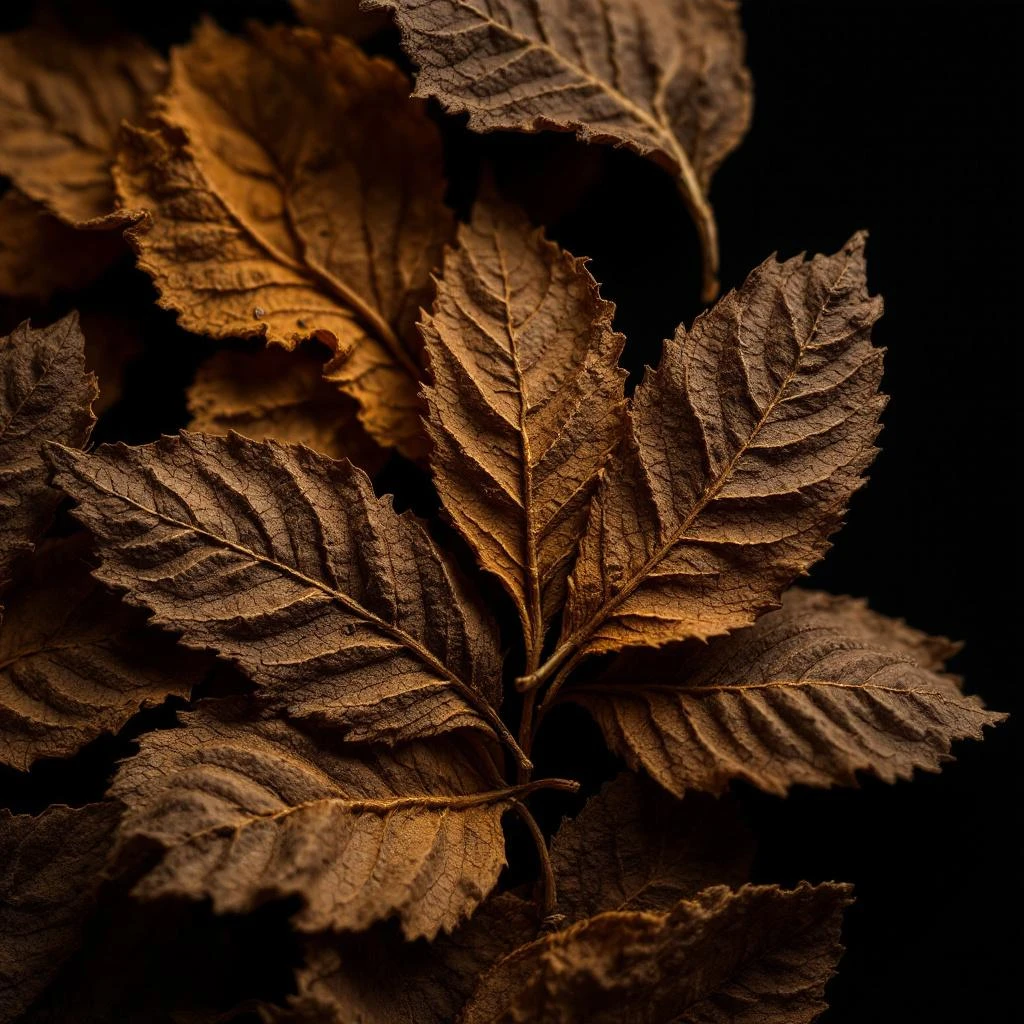
Leaves and branches
Did You Know
"The name labdanum comes from Arabic, meaning 'to stick' — shepherds once collected it by combing the resin from goat hair."
Pyramid Presence