Caribbean woods
Tropical hardwoods from Caribbean forests distilled into precious oils prized for their warm, resinous, and fixative qualities. These aromatic woods anchor compositions with creamy, balsamic depth.

Character
How it smells
Warm island forests captured in amber light.
Haiti supplies over 80% of the world's amyris oil, earning its nickname as the heart of Caribbean perfumery.
Pairs beautifully with

Origin
Haiti
Caribbean woods entered Western perfumery through colonial trade routes established in the 16th and 17th centuries, when European traders recognized the aromatic potential of tropical island forests. Amyris earned the commercial name "West Indian sandalwood" for its ability to mimic the creamy, woody warmth of true sandalwood at a fraction of the cost. Indigenous Caribbean cultures used these woods for ceremonial incense and medicinal preparations centuries before commercial distillation began.
Haitian traders developed the steam distillation method in the late 19th century, transforming wild-harvested wood into the precious oil that perfumers prize today. By the mid-20th century, Haitian amyris oil became a staple in fine fragrance as both a fixative and an aromatic material. The ingredient supported entire regional economies, with island communities maintaining traditional harvesting knowledge passed through generations.
Today, Caribbean woods remain valued for their natural fixative power and their ability to add warm, resinous depth to base compositions.
Wears it best
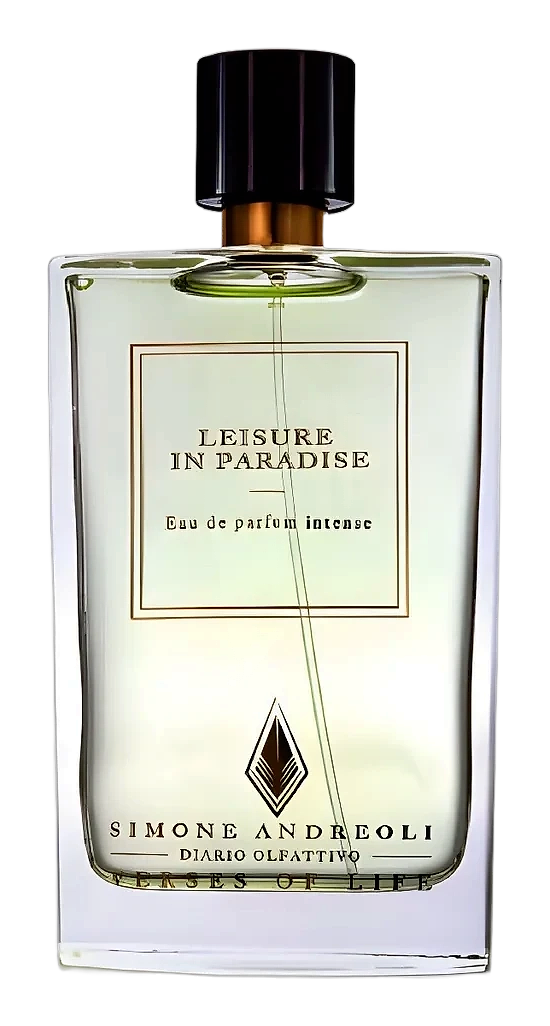
Fragrances featuring Caribbean woods
Brands
Brands known for Caribbean woods
Good to know
Questions, answered
The essentials on Caribbean woods in perfumery: how it smells, where it comes from, and how it behaves on skin.
What are Caribbean woods in perfumery?
Caribbean woods are aromatic tropical hardwoods, primarily amyris, that provide warm, creamy, and resinous fragrance notes. They serve as natural fixatives in perfume compositions.
What does Caribbean wood smell like?
It smells warm, balsamic, and slightly sweet with creamy undertones reminiscent of sandalwood. It adds depth and longevity to fragrance bases.
Where do Caribbean woods come from?
Haiti is the primary source, producing the majority of global amyris oil supply. Venezuela and Brazil also contribute to the Caribbean Basin harvest.
How is amyris oil extracted?
Steam distillation extracts amyris oil from chipped heartwood and branches over 12 to 24 hours in copper stills, yielding 1 to 3 percent oil by weight.
What is amyris oil used for in perfumes?
Amyris functions as both an aromatic material and a fixative. It adds creamy woody depth to base notes while slowing the evaporation of lighter top notes.
Is Caribbean wood a natural ingredient?
Yes, amyris oil is 100% natural. It comes from wild-harvested Amyris balsamifera trees native to Caribbean coastal forests.
How does Caribbean wood compare to sandalwood?
Amyris is sometimes called "West Indian sandalwood" for its similar warm, creamy profile. It costs significantly less while offering comparable fixative properties.
Why are Caribbean woods popular in men's fragrances?
The warm, resinous, and slightly smoky character of Caribbean woods pairs well with masculine fragrance concepts, making them a staple in men's fine fragrances.