Character
How it smells
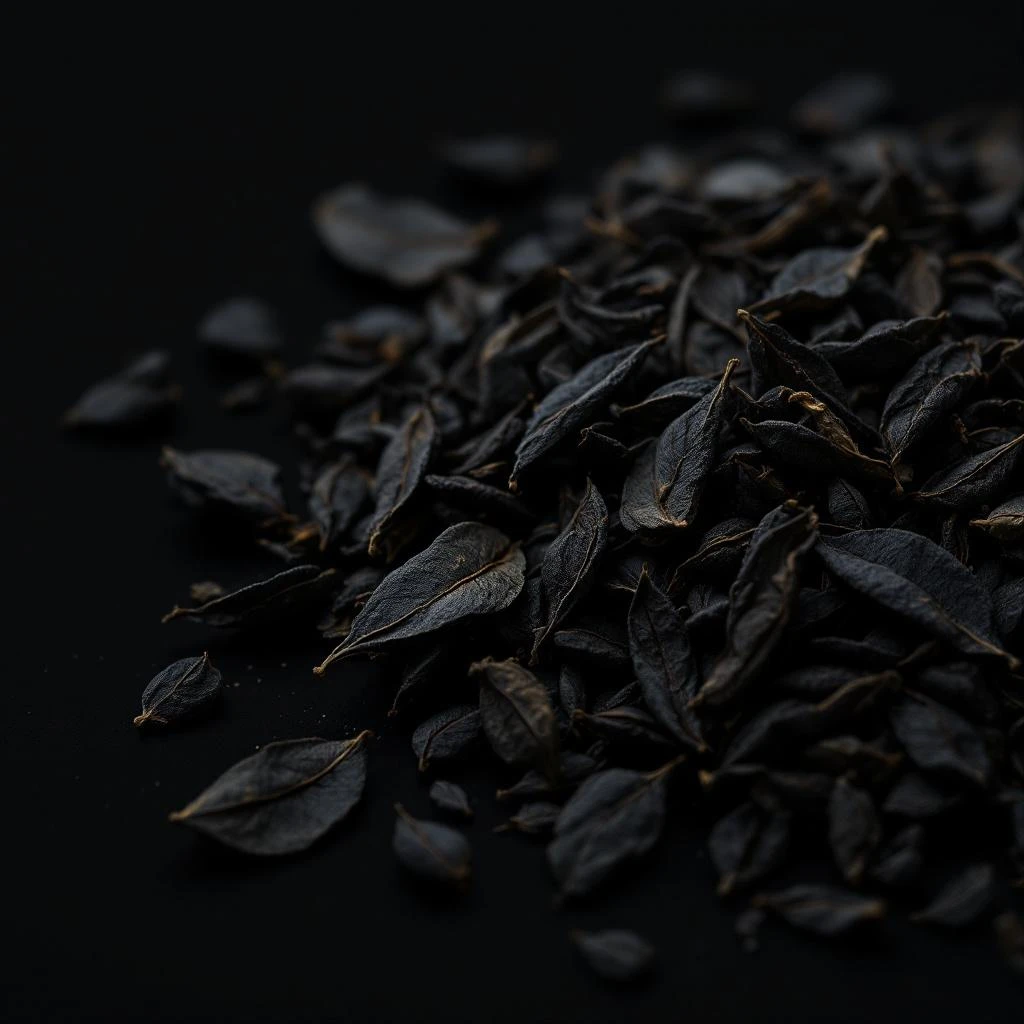
Smoky, tarry, unapologetically raw rubber.
The word comes from indigenous Amazonian languages, meaning 'weeping tree', describing how latex flows from tapped bark.
Origin
Brazil
Amazonian peoples discovered Hevea brasiliensis latex millennia ago, using it for waterproofing and tools. When European explorers documented 'caouche' in the 18th century, they encountered a material that seemed almost magical. French chemist François Friedel exported the first rubber samples to Europe in 1763.
The industrial revolution transformed rubber into a strategic resource. Charles Goodyear's 1839 vulcanization discovery unlocked its commercial potential, fueling demand that would devastate wild Brazilian stands. By the 1870s, British smuggler Henry Wickham successfully transported seeds to Southeast Asia, launching plantation cultivation.
In perfumery, raw rubber absolute entered compositions in the early 20th century, lending distinctive leather and smoke accords to landmark fragrances.
Good to know
Questions, answered
The essentials on Caoutchouc in perfumery: how it smells, where it comes from, and how it behaves on skin.
What does caoutchouc smell like?
Caoutchouc has a bold, smoky rubber scent with tarry and slightly sweet undertones. It reads as industrial yet organic, anchoring compositions with a raw, assertive presence.
Is caoutchouc natural or synthetic?
Natural caoutchouc comes from Hevea brasiliensis latex. Synthetic rubber alternatives exist, but natural versions offer superior aromatic complexity for perfumery applications.
Which fragrances feature caoutchouc?
Bandit by Robert Piguet and Cabochard by Grès pioneered rubber notes in perfumery. Contemporary houses use it in leather and smoke compositions across many niche fragrances.
How is caoutchouc harvested?
Tappers collect latex by making controlled cuts into Hevea bark. The sap is gathered, then coagulated using acid treatment before solvent extraction produces the perfumery material.
What is the difference between rubber and caoutchouc?
Caoutchouc is the original French name for natural rubber. In perfumery, 'caoutchouc' specifically refers to the aromatic material, while 'rubber' may describe the note or synthetic alternatives.
Does naturel caoutchouc come from endangered trees?
Hevea brasiliensis remains widespread through plantation cultivation across Southeast Asia and South America. Sustainable tapping practices allow long-term harvest without destroying trees.
What note family does caoutchouc belong to?
Caoutchouc functions as a base note, providing depth and lasting power. Its smoky, tarry character pairs naturally with leather, wood, and amber accords.
Can caoutchouc be blended with other base notes?
It combines exceptionally well with cistus labdanum, vanilla, and birch tar. These pairings amplify both the smoky and rubbery dimensions of the fragrance composition.