Burnt malt
Burnt malt delivers a warm, toasted grain aroma that recalls caramelized barley and fresh-baked bread, adding depth and a subtle sweetness to modern fragrance compositions.
Character
How it smells
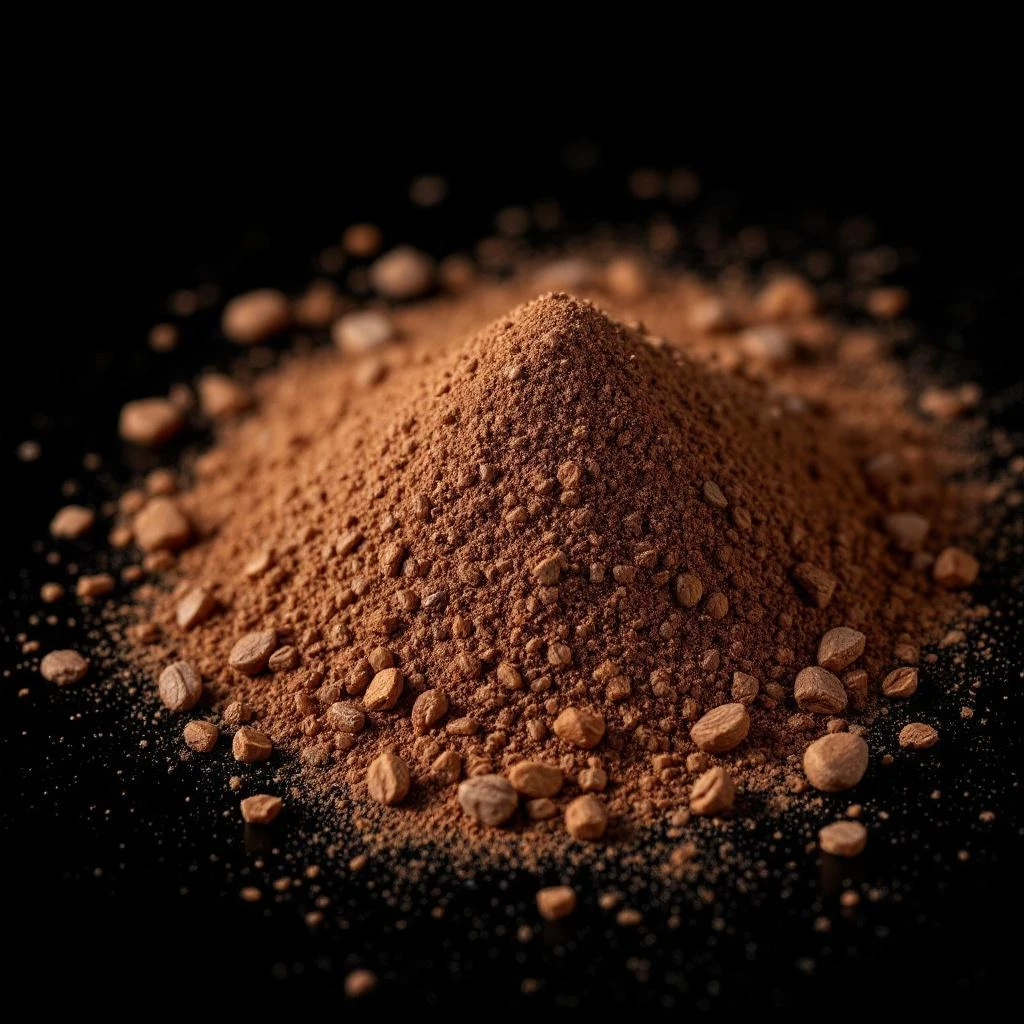
Toasted grain richness in a single note.
The burnt malt scent first appeared in mainstream perfumery in the early 1990s, when gourmand fragrances began to replace traditional amber accords.





Origin
Germany
We trace burnt malt back to the rise of gourmand perfumery in the 1990s, when designers sought edible, comforting notes to complement amber bases. Early adopters like Guerlain incorporated the note into sweet, dessert-inspired scents, signaling a shift from purely floral or oriental compositions.
Over the next decade, burnt malt became a staple in niche houses, adding a rustic, food‑like dimension to fragrances that aimed for intimacy and warmth. The note also helped bridge the gap between natural grain aromas and synthetic gourmand accords, influencing the development of modern amber‑gourmand hybrids that dominate many luxury collections today.
Wears it best
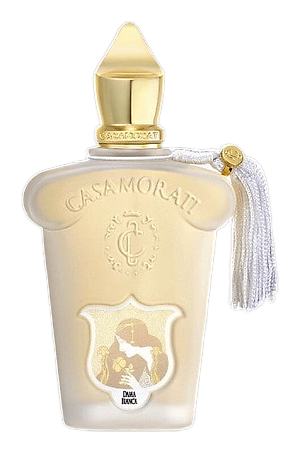
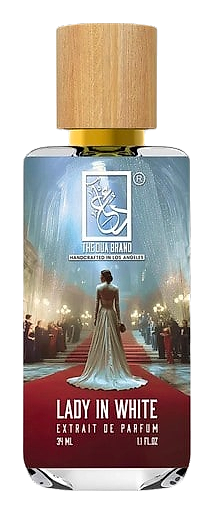
Fragrances featuring Burnt malt
Brands
Brands known for Burnt malt
Good to know
Questions, answered
The essentials on Burnt malt in perfumery: how it smells, where it comes from, and how it behaves on skin.
What does burnt malt smell like?
Burnt malt smells like toasted grain with caramel and a faint nutty edge. It combines the warmth of baked bread with a subtle sweetness, similar to lightly charred malted barley.
How is burnt malt created for perfumery?
We create burnt malt by heating malted barley until Maillard reactions produce aromatic volatiles. The process uses a 180°C roast for 12 minutes, then traps the vapors for blending.
Is burnt malt a natural or synthetic ingredient?
Burnt malt originates from a natural grain but is processed synthetically for consistency. The final note is a lab‑crafted blend of maltol, furfural, and pyrazines derived from roasted barley.
Which fragrance families commonly feature burnt malt?
Gourmand and amber families frequently feature burnt malt. Designers use it to add depth to sweet, edible‑inspired scents and to enrich warm, resinous compositions.
How stable is burnt malt in a perfume formula?
Burnt malt remains stable for years when stored in amber glass away from light. Its synthetic nature resists oxidation better than many natural extracts.
Can burnt malt cause allergic reactions?
Burnt malt rarely triggers allergies, but sensitive individuals may react to pyrazine components. Patch testing is recommended for new users.
When did perfumers first adopt burnt malt?
Perfume houses began using burnt malt in the early 1990s, aligning with the gourmand trend. The note quickly became a signature of sweet, edible‑style fragrances.
What alternatives exist to burnt malt?
Alternatives include toasted oat, caramel, and roasted coffee notes. Each offers a warm, sweet profile, but burnt malt provides a distinct grain‑based nuance.