Character
The Story of Blue Bugle
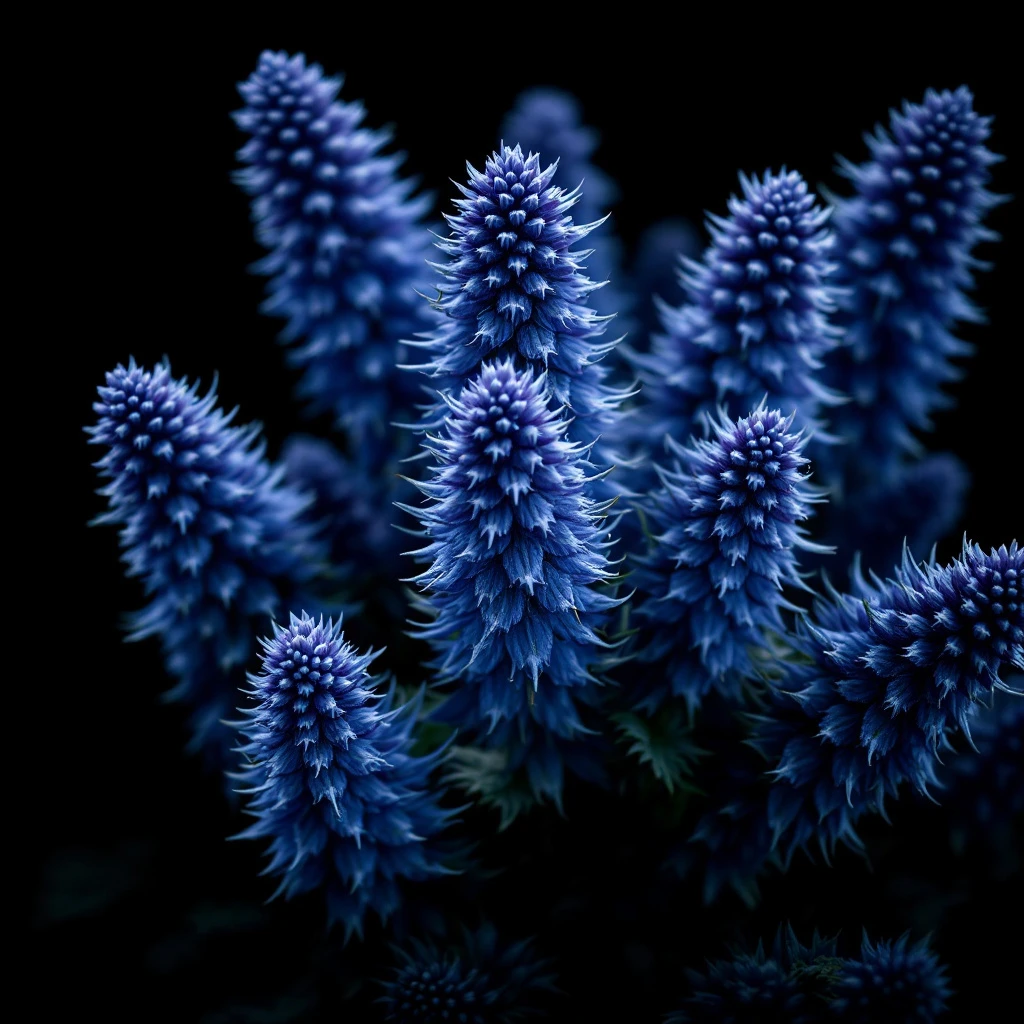
Blue Bugle (Ajuga reptans) is a European wildflower in the mint family whose violet-blue blooms and aromatic leaves have historically been valued in herbal traditions. Its subtle fresh-green scent with mild camphor undertones adds an unexpected botanical dimension to fragrance compositions.
Heritage
Blue Bugle has grown wild across meadows and woodland clearings throughout Europe since at least the Roman period. Herbalists documented its use in classical texts for wound healing and fever reduction. The plant earned its common name from its perceived ability to "bugle" or announce spring with its striking blue flower spikes emerging in April and May. Medieval monastic gardens cultivated Ajuga reptans alongside other medicinal herbs, though its aromatic properties remained secondary to its herbal applications. The rise of woodland naturalistic gardening in Victorian England brought renewed attention to this native species. Contemporary perfumers working with natural and botanical fragrance movements began exploring Blue Bugle's subtle aromatic potential in the late 20th century, drawing on the plant's connection to unspoiled European meadows and traditional herbal knowledge.
At a Glance
1
Feature this note
Not Classified
Olfactive group
United Kingdom
Primary source region
Ingredient Details
Steam distillation
Fresh aerial parts (stems, leaves, flowers)
Did You Know
"Blue Bugle was once believed to neutralize venom from snake bites, giving it the alternative name "Saint.-Ivo's-Herb" in medieval herbals."