Berry syrup
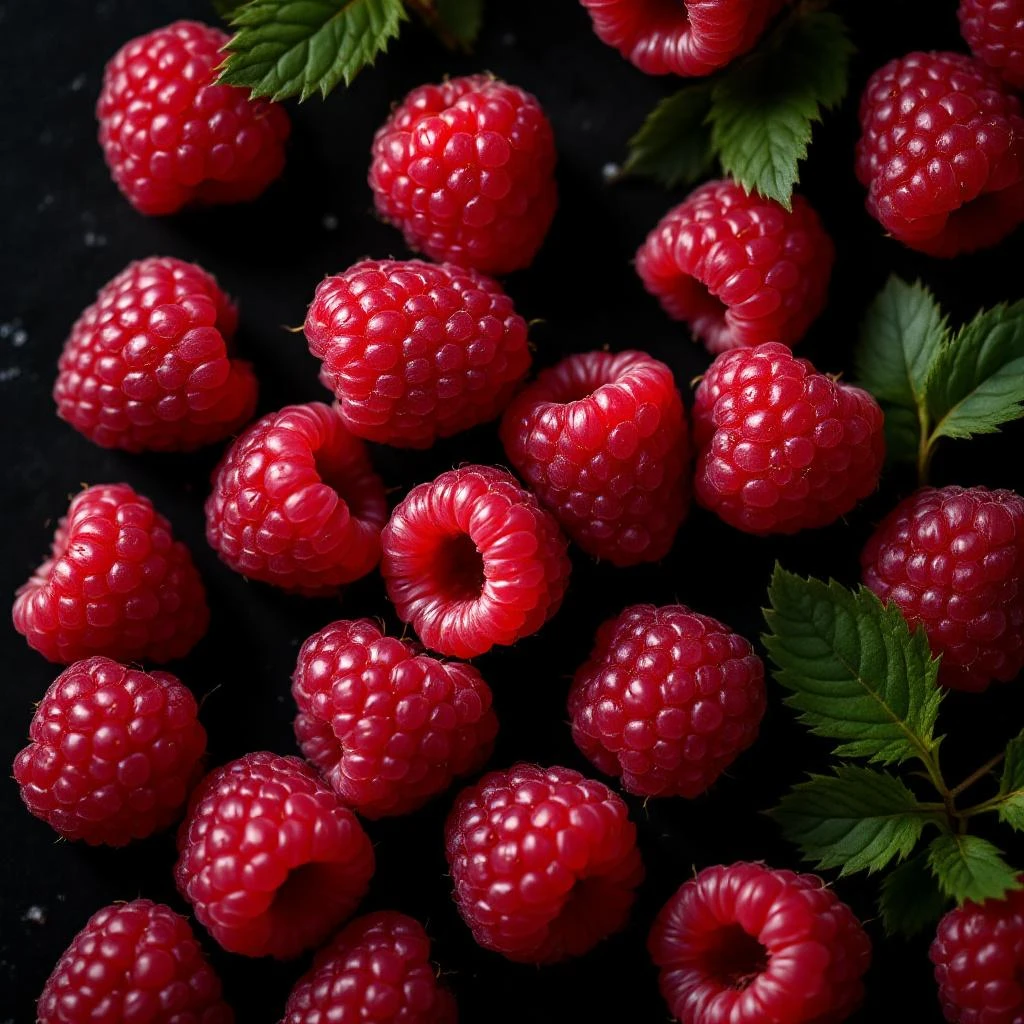
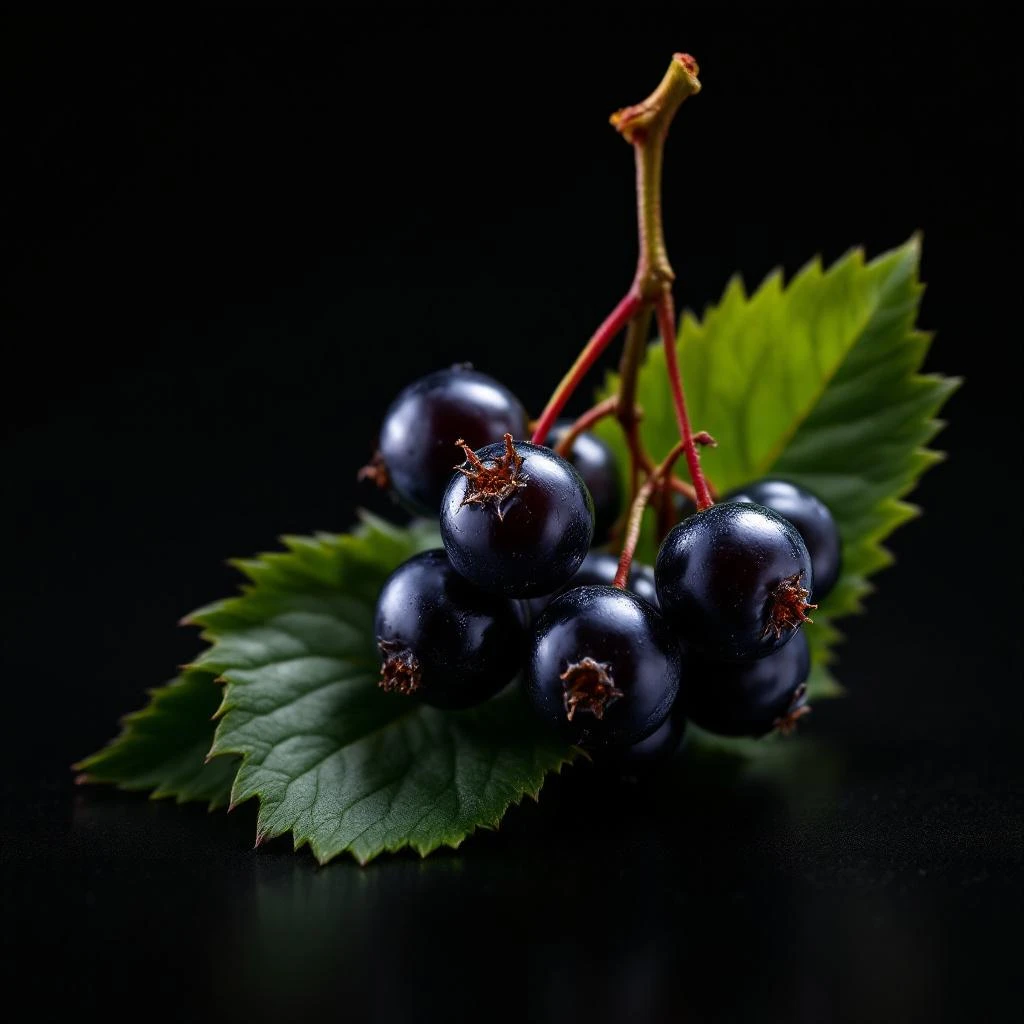
Berry syrup is a perfumer's illusion: a concentrated blend of aromatic molecules that captures the rich, jammy sweetness of cooked berries. This reconstructed note brings depth and gourmand warmth to modern fragrances.

Character
How it smells
Jammy, sweet, and rich: the berry note reimagined.
Raspberry ketone, the primary compound in natural raspberries, remained too costly for perfumery until synthetic production in the 1950s.


Origin
France
Berry notes remained largely absent from fine perfumery until the late 20th century. Natural berry absolutes existed but proved prohibitively expensive for broad use.
The synthetic aroma compounds that make modern berry syrup possible began appearing in the mid-1900s, with raspberry ketone becoming commercially viable in the 1950s. This development unlocked the fruity fragrance boom of the 1970s and 1980s, when berry-forward compositions transformed the industry.
What was once a fleeting top note became a rich heart character. Berry syrup transformed from a novelty into a foundational perfumery material, enabling the complex, layered berry accords found in contemporary fragrances.
Wears it best
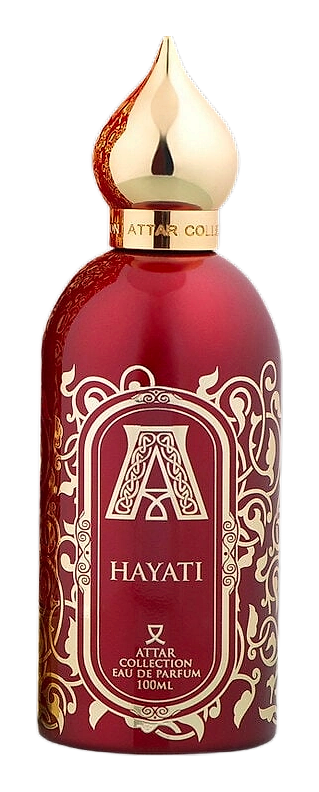
Fragrances featuring Berry syrup
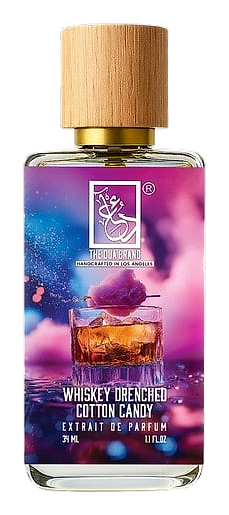
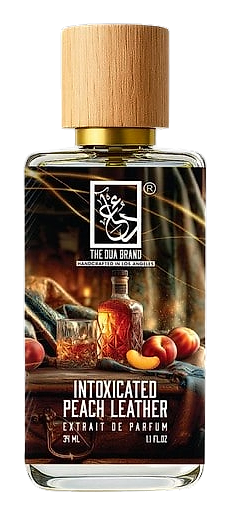
Brands
Brands known for Berry syrup
Good to know
Questions, answered
The essentials on Berry syrup in perfumery: how it smells, where it comes from, and how it behaves on skin.
What is berry syrup in perfumery?
Berry syrup is a reconstructed aromatic note that mimics the rich, jammy sweetness of cooked berries. Perfumers combine molecules like raspberry ketone and gamma-decalactone to create this effect, as natural berry extracts prove prohibitively expensive for broad fragrance use.
Is berry syrup a natural or synthetic ingredient?
Modern berry syrup notes are typically synthetic or nature-identical. These lab-created compounds are chemically identical to those found in natural berries but allow consistent, cost-effective production at scale for the fragrance industry.
How does berry syrup differ from fresh berry notes in fragrance?
Fresh berry notes emphasize bright, tart fruit character, while berry syrup conveys deeper, cooked, jammy qualities. Syrup versions deliver more sweetness and warmth, making them better suited for heart notes and gourmand compositions.
Which molecules create the berry syrup effect?
Raspberry ketone provides the signature raspberry character. Gamma-decalactone adds creamy peach-coconut nuances. Ethyl maltol contributes sugary warmth, while strawberry furanone delivers caramelized depth. Perfumers blend these strategically to achieve their desired berry profile.
When did berry notes become common in perfumery?
The fruity fragrance boom of the 1970s and 1980s introduced berry syrup to mainstream perfumery. Before that, natural berry absolutes were too costly for widespread use. Synthetic alternatives democratized the note and made complex berry compositions commercially viable.
How do perfumers test berry syrup materials?
Perfumers evaluate berry syrup materials through gas chromatography, which confirms molecular precision, and through traditional smelling methods. Test strips and skin testing reveal how compounds interact with individual skin chemistry and evolve during drydown.
What fragrance families use berry syrup?
Berry syrup appears most in fruity, gourmand, and fruity-floral compositions. It also shows up in orientals, where jammy berry notes add unexpected brightness. Perfumers increasingly pair berry with unexpected elements like wood or spice for sophisticated contrasts.
How long does berry syrup last on skin?
Berry notes are more volatile than woods or musks, typically lasting 3-6 hours depending on molecular weight. Raspberry ketone evaporates faster, while gamma-decalactone lingers longer. Fixatives and strategic layering extend the note's presence on skin.