



The Heritage
The Story of Louis Vuitton
When Louis Vuitton re-entered fragrance in 2016 after a seven-decade hiatus, it did so with Jacques Cavallier Belletrud as master perfumer and the resources of LVMH behind it. The collection draws from rare ingredients sourced through the group's vertical supply chain — Grasse jasmine, Chinese osmanthus, Middle Eastern oud. Each fragrance is a luxury object designed to sit alongside the house's trunks and leather goods.
Heritage
While the world knows Louis Vuitton for its monogrammed trunks and leather goods, its history in fragrance runs deeper than many realize. Founded in Paris in 1854 as a malletier, the house first entered perfumery during the Art Deco period, launching its first scent, Heures d'Absence, in 1927. A few others followed, including Eau de Voyage in 1946, which was designed to be decanted into a chic leather-clad travel bottle. After this, the house fell silent on the fragrance front for nearly seventy years, choosing to focus entirely on its fashion and accessories empire. This long pause made its re-entry a monumental event. In the early 2010s, LVMH, Vuitton's parent company, made a decisive move by acquiring and restoring Les Fontaines Parfumées, a historic perfume estate in Grasse, the cradle of French perfumery. They appointed the esteemed Grasse-native Jacques Cavallier Belletrud as in-house master perfumer and gave him a clear mission: build a fragrance collection worthy of the Louis Vuitton name. The 2016 launch wasn't just a new product line; it was the revival of a dormant legacy, executed with immense resources and a long-term vision.
Craftsmanship
Louis Vuitton's commitment to quality is absolute, beginning in the fields of Grasse and extending to a high-tech creative studio. At the heart of their operation is Les Fontaines Parfumées, which serves as Jacques Cavallier Belletrud's exclusive atelier. Here, surrounded by gardens of jasmine and tuberose, he composes his formulas. The house, through LVMH, has secured exclusive partnerships with local growers, giving it unparalleled access to some of the world's finest floral absolutes. Beyond traditional methods, the house champions advanced extraction techniques. They employ a proprietary CO2 extraction process for certain flowers, like the May rose and jasmine from Grasse. This method, conducted at low temperatures, captures a scent profile that is startlingly fresh and true to the living blossom, avoiding the cooked notes that can result from heat-intensive distillation. This obsession with perfecting the raw material is the signature of their craft, ensuring every bottle contains the purest expression of its core ingredients.
Design Language
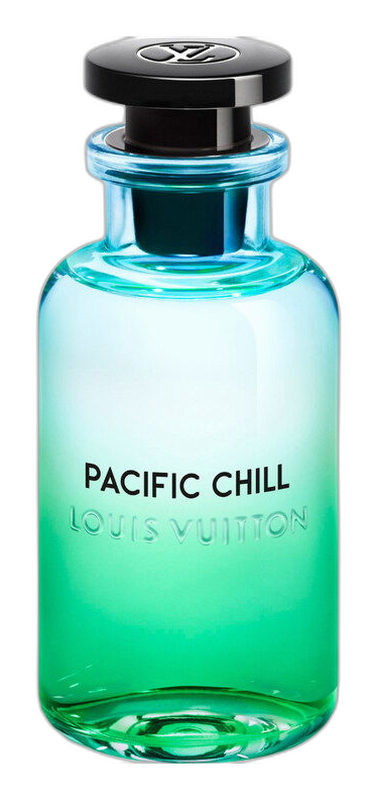
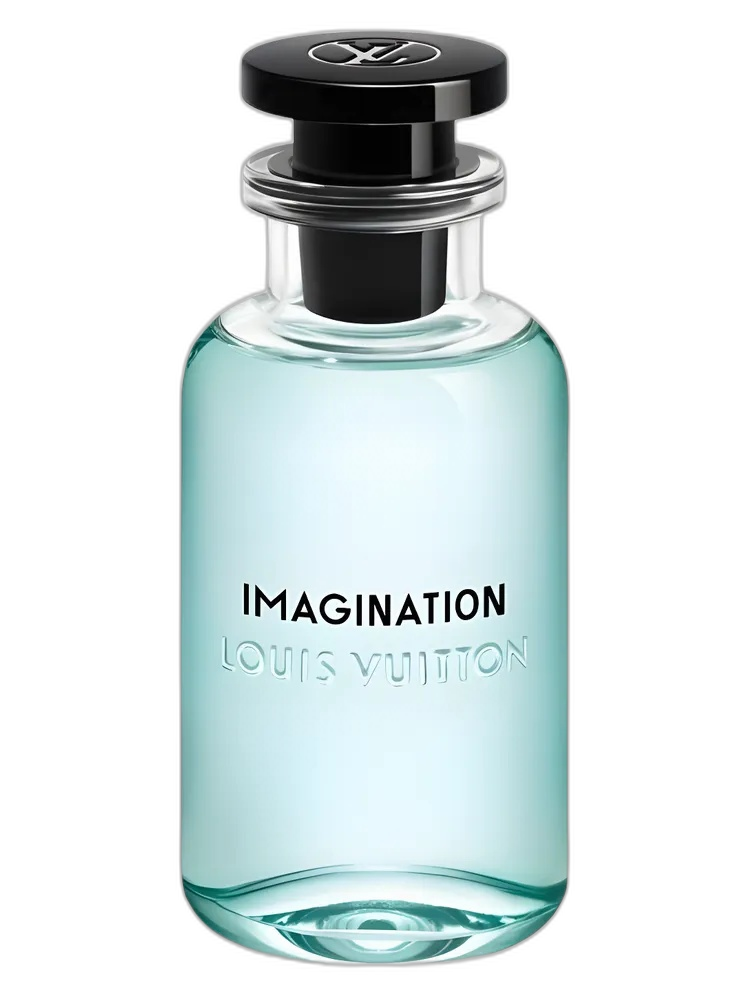
The visual identity of the perfumes is one of refined minimalism, conceived by industrial designer Marc Newson. The bottles are clean, cylindrical forms of heavy glass, meant to feel timeless and substantial in the hand. Eschewing elaborate decoration, the design relies on its perfect proportions, a simple black-on-white label, and a clever magnetic cap stamped with the LV initials that clicks satisfyingly into place. The color of the juice itself becomes a key design element, visible through the clear glass. This minimalist object is designed for permanence. Every bottle is refillable in-store at specially designed 'perfume fountains,' an elegant system that reduces waste and connects to the historic practice of perfumers filling clients' personal bottles. The packaging extends to luxurious leather travel cases, available for personalization, which directly link the fragrances back to the house's 160-year-old origins as a maker of travel goods. It's a complete, considered design language that feels both modern and deeply rooted in heritage.
Philosophy
The creative soul of Les Parfums Louis Vuitton is the emotion of travel. Each fragrance is conceived as a departure, a destination, or a memory of a place. Jacques Cavallier Belletrud doesn't create scents that shout; he composes olfactory stories that whisper. His philosophy centers on clarity and the celebration of the raw material. He believes a perfume should have an immediate, understandable beauty, yet reveal layers of complexity over time. This approach rejects fleeting trends in favor of timeless elegance. The house values authenticity above all, from the way it sources a particular flower to the story it tells. It's a vision of perfumery that is both deeply personal and universally understood, creating an invisible, emotional accessory that complements the wearer's own identity. The goal is to capture a feeling, a ray of light, or a texture and bottle it.
Key Milestones
1854
Louis Vuitton establishes his trunk-making house on Rue Neuve-des-Capucines in Paris.
1927
The house launches its first perfume, 'Heures d'Absence', marking its initial foray into fragrance.
1946
'Eau de Voyage' is released, becoming the last fragrance from the house's first perfume era.
2012
Louis Vuitton acquires and begins restoring Les Fontaines Parfumées in Grasse, signaling a serious return to perfumery.
2016
Les Parfums Louis Vuitton officially launches with a collection of seven feminine fragrances by Jacques Cavallier Belletrud.
2018
The first men's collection is introduced, expanding the house's olfactory universe.
At a Glance
Brand profile snapshot
Origin
France
Founded
1854
Heritage
172
Years active
Collection
2
Fragrances released
Avg Rating
4.0
Community sentiment