The Story
Why it exists.
The beginning
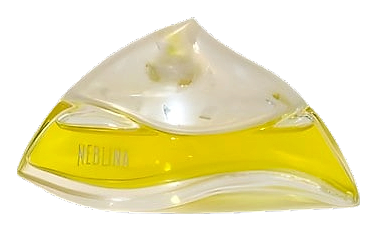
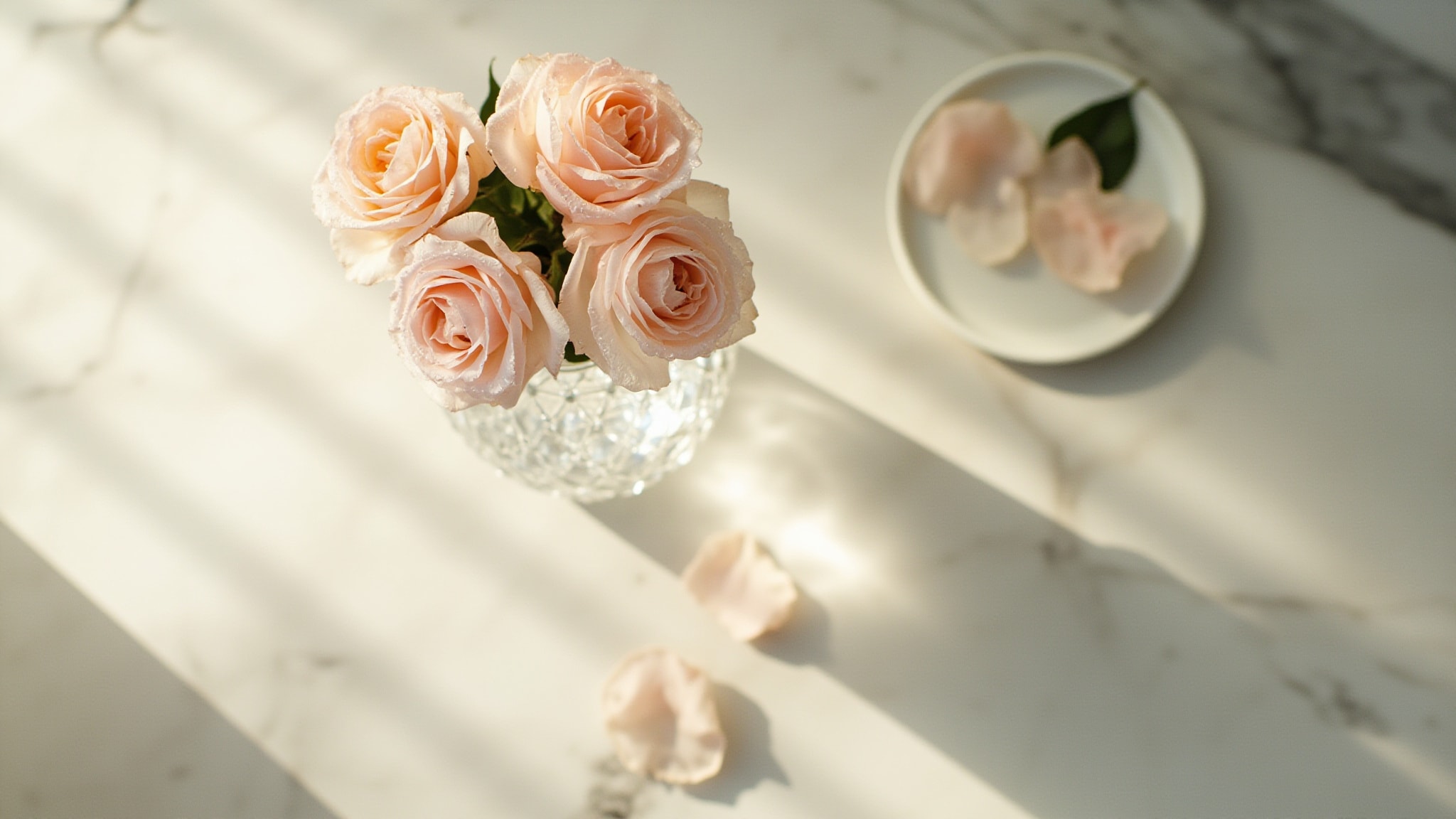
In 1999, Sophia Grojsman created L'aube de Neblina, The Dawn of Mist, for Yves Rocher. The name alone tells you where this fragrance lives: in that moment between night and morning, when the air is still cool and nothing has yet demanded your attention. Grojsman didn't build this for the entrance. She built it for the breath before the first sentence is spoken. It's an accessible interpretation of that liminal hour, romantic without trying, sweet without cloying, grounded in a vision of morning beauty that doesn't require the world to witness it.
The note structure is simple, floral notes softened by sugar, but simplicity was the point. Not every fragrance needs to announce itself from across a room. The sweetness here isn't explosive; it's the warmth of light filtering through fog. It's the kind of composition that rewards proximity rather than distance. Against Yves Rocher's botanical heritage, which usually reads earthy and plant-driven, L'aube de Neblina takes a softer route, still rooted in the floral tradition, but prioritizing intimacy over impact.
The evolution
The opening doesn't arrive so much as form, misty florals, petals still holding the night's dampness, a sweetness that reads as gentle rather than loud. No sharp edges here. No citrus fire. Just soft flowers and the suggestion of sugar dissolving in cool air. The heart deepens without gaining weight. The florals become warmer, more present, the sugar note lending a quiet richness that feels comfortable rather than excessive. It's still intimate, still close to the skin, but there's more there than at first. The morning is progressing. The mist is thinning. The flowers are opening. The drydown is a whisper. Florals and sugar settling into something skin-close, barely there, the kind of scent that someone standing very close might notice. It doesn't project. It doesn't linger for hours in the way bold compositions do. But for those four to six hours, it was yours, a soft layer of morning warmth that never once tried to be anything else.
Cultural impact
L'aube de Neblina arrived at the tail end of the 1990s, a decade that saw mainstream fragrance swing between aggressive florals and early amber-oud complexity. This one didn't follow either direction. It stayed soft, sweet, and close. The late-90s audience may not have known what to do with something so restrained. Discontinued now, it survives as a vintage piece, the kind collectors recognize for its period character rather than its performance metrics.