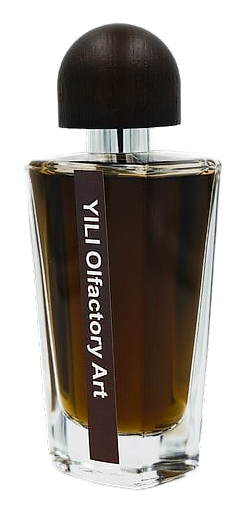
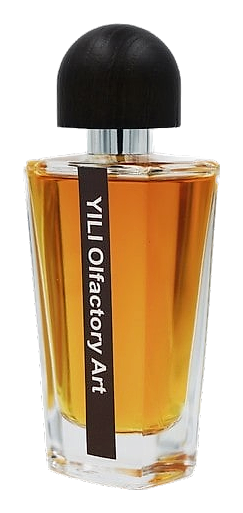







Heritage
A house, in its own words
Yili Olfactory Art appears to have developed its catalog during a concentrated period in the late 2010s, with many of its listed fragrances debuting in 2019 and Golden Oud and Desert appearing in 2020. The scale of this early release schedule gives the brand the character of an experimental portfolio rather than a house built around a single, easily summarized aesthetic. Titles such as Hunter, Harlot, Hustler, Homeless, and Desperado bring the language of risk, survival, seduction, and social conflict into fragrance. This is not a quiet historical lineage told through inherited archives or a long family succession. It is a relatively compact creative history in which each composition seems to function as a character study. The use of bilingual naming also gives that portfolio an unusual cross-cultural dimension. The supplied research traces the much broader history of perfumery, from fragrant oils and smoke in ancient Mesopotamia, Egypt, Greece, and Rome to the later application of modern chemistry, but it does not document Yili Olfactory Art's own founding story, origin city, founder, or milestones. Those details should therefore remain unconfirmed until supported by direct evidence. What can be said with confidence is that the house established a recognizable body of work in 2019, extending it with releases including Golden Oud and Desert in 2020. Its heritage is visible in that catalogue of sharply imagined names and olfactory directions, rather than in a documented corporate narrative. Yili Olfactory Art treats fragrance as a form of direct characterization. The names of Pimp, Hunter, Harlot, Desert, Hustler, Witch, and Desperado do not describe gentle moods in abstract terms. They propose personalities, places, and social roles. That choice suggests a creative philosophy built around atmosphere and narrative rather than the conventional language of top-note florals and understated elegance. Golden Oud points toward one of perfumery's most recognizable material traditions, while the title Desert evokes a landscape defined by heat, dryness, and space. By contrast, Cotton Box introduces a plain domestic object into a collection otherwise saturated with provocative figures and remote settings. The effect is both serious and irreverent. Yili Olfactory Art appears comfortable with scent as provocation, using bold titles to invite interpretation without requiring the wearer to accept a single reading. Its visual and verbal identity seems similarly willing to embrace friction between refinement and roughness, ritual and street character, sensual material and blunt naming. No perfumers are linked to the house in the available documentation, so it would be inappropriate to attribute a specific compositional school to any one creator. The clearest philosophy available is nevertheless coherent: each fragrance should possess a distinct dramatic identity, and its name should help establish that identity before the wearer experiences the blend itself.