








Heritage
A house, in its own words
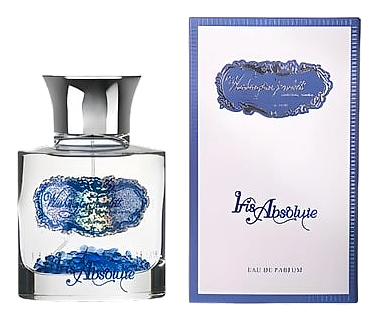
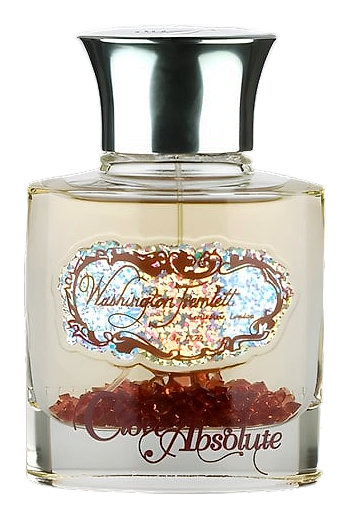
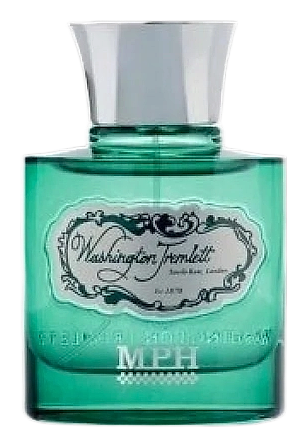
The brand emerged in the United Kingdom in the early 2000s, reportedly founded by a small team of perfume enthusiasts who wanted to work outside the fast‑moving mainstream. Their first public launch, Iris Absolute, appeared in 2008 and was noted in a niche‑fragrance blog for its use of high‑grade Tuscan iris root. The following year the house introduced Clove Absolute, a spice‑forward scent that earned a brief mention in The Guardian’s “Fragrance of the Week” column. 2010 proved prolific: Hampstead Water arrived as a crisp, green ode to a London suburb, while Notting Hill Carnival captured the vibrant street atmosphere of its namesake festival. In 2012 the duo released Frankincense and Orange, pairing resinous incense with bright citrus, a combination highlighted in a feature on the Fragrance Foundation’s website. Throughout its growth, Washington Tremlett has remained independent, avoiding large‑scale distribution in favor of boutique retailers and direct‑to‑consumer sales. The brand’s modest size allows it to experiment with rare raw materials and to release each fragrance in limited batches, a practice that has cultivated a loyal, if niche, following. While the house does not claim awards, its releases have been reviewed by independent fragrance critics who often praise the balance between traditional ingredients and contemporary structure. The label continues to operate from a small studio in London, where the founding team still oversees formulation, packaging and outreach. Washington Tremlett frames perfumery as a dialogue between memory and material. The founders have spoken about a desire to create scents that act as quiet companions, rather than statements meant to dominate a room. Their creative brief emphasizes authenticity: ingredients are selected for their provenance and olfactory character, not for trend alignment. The brand values transparency, offering limited information about sourcing while encouraging consumers to explore the story behind each note. Sustainability appears in their sourcing choices; for example, the neroli used in the 2008 Neroli Absolute is reportedly harvested from organically farmed orange blossoms in Sicily. The house also limits waste by producing in small runs, allowing excess stock to be donated to charitable scent‑therapy programs. In interviews, the team has highlighted a collaborative approach, inviting guest perfumers to reinterpret a core theme rather than imposing a single authorial voice. This openness reflects a belief that fragrance should evolve with its wearer, offering layers that reveal themselves over time.