Washington Tremlett
Washington Tremlett emerged from the bustling streets of early‑19th‑century London, where a modest apothecary named Thomas Tremlett began blending aromatic tinctures for his clientele. By 1805 the workshop released its first scented water, marking the birth of a house that would survive two centuries of taste. Archival notes indicate that Washington, a grandson of the founder, inherited the laboratory in the 1860s and steered it toward refined colognes for gentlemen and ladies alike. After a hiatus during the world wars, the brand resurfaced in the 1950s under the guidance of a chemist‑trained perfumer who introduced crisp citrus accords and warm amber bases. The most recent revival, launched in 2016, credits a contemporary nose named Luca with translating the house’s heritage into modern bottles. Though the catalogue remains modest, each release bears the imprint of a lineage that values patience, material integrity, and quiet elegance.
The hits
Notable creations
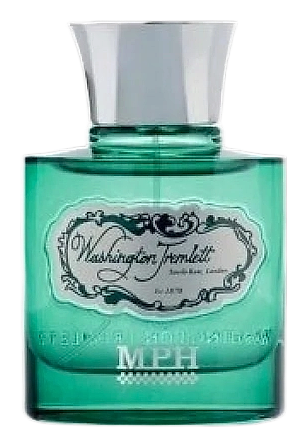
The signature
How Washington composes
His technique leans on layered construction, beginning with a clear top that dissolves into a heart of floral‑spicy accord, then settling into a warm, resinous base. Luca, the current nose, prefers natural absolutes such as rose otto, jasmine grandiflorum, and Mysore sandalwood, complemented by carefully selected synthetics that add longevity. He avoids over‑loading the bottle, opting instead for restraint that lets the wearer’s skin become part of the narrative. The result feels polished yet approachable, a nod to the house’s historic roots while speaking to today’s sensibilities.
Philosophy
What drives Washington
Washington Tremlett’s creative credo rests on the belief that scent should echo memory without shouting. He favors ingredients that age gracefully, allowing a perfume to reveal new facets as the day unfolds. The house’s archives teach him to respect classic structures while inviting subtle twists—a hint of bergamot that softens into lavender, a whisper of sandalwood that deepens after sunset. He treats each formula as a conversation between past and present, letting tradition guide but not dominate the final composition.
The houses