The Story
Why it exists.
The beginning
Starlit Wish arrived in 2012 as part of Victoria's Secret's ongoing exploration of accessible glamour. Louise Turner crafted the fragrance around a simple premise: what does a wish smell like when it comes true? The name says everything, aspirational, romantic, quietly hopeful. This is fragrance as optimism, bottled.
Vanilla and plum shouldn't work together. One is warm and round, the other is bright and tart, opposite energies that could easily cancel each other out. Starlit Wish proves the opposite. Plum brings an aldehydic lift to the sweetness, giving it a quality that feels lifted rather than heavy. Vanilla brings everything down to skin temperature, warm and close. The result is intimate and present, dangerously easy to reach for, because it smells like a memory of sweetness rather than sweetness itself. The limited structure is the point: fewer notes means more skin-like warmth, less perfumery construction, more something that feels found rather than made.
The evolution
The opening arrives fast and bright. Plum takes over immediately, tart, juicy, the sweetness of a ripe fruit that hasn't been sweetened by anything else. This phase lasts roughly thirty to forty-five minutes before vanilla begins its slow takeover. The vanilla doesn't rush. It wraps the plum in warmth, softening the edges, adding cream. A dry, powdery finish settles in, the kind that stays close to the skin, never filling the room. Two hours in, the plum is gone. What remains is vanilla, rich and warm, clinging close and intimate. The sillage stays moderate throughout. The drydown lasts six to eight hours on most skin types, present but never shouting. The next morning, there it is. Warm. Sweet. Still there.
Cultural impact
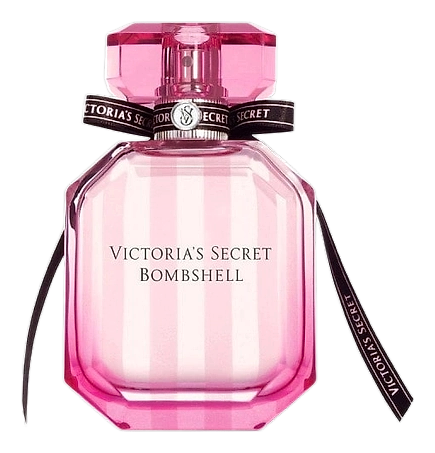
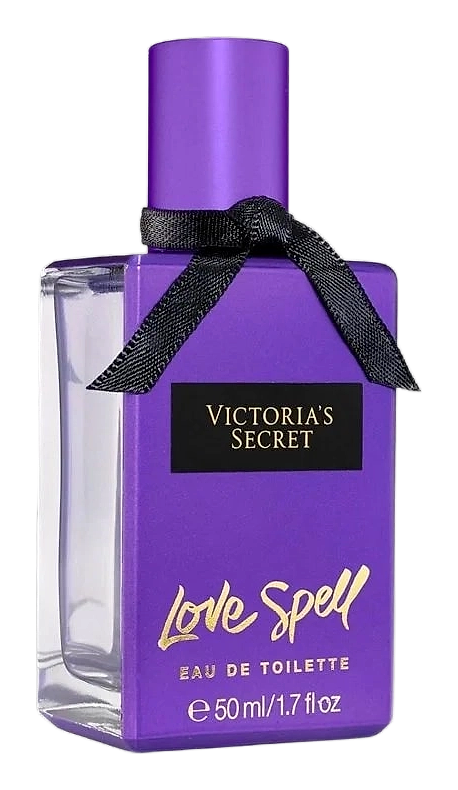
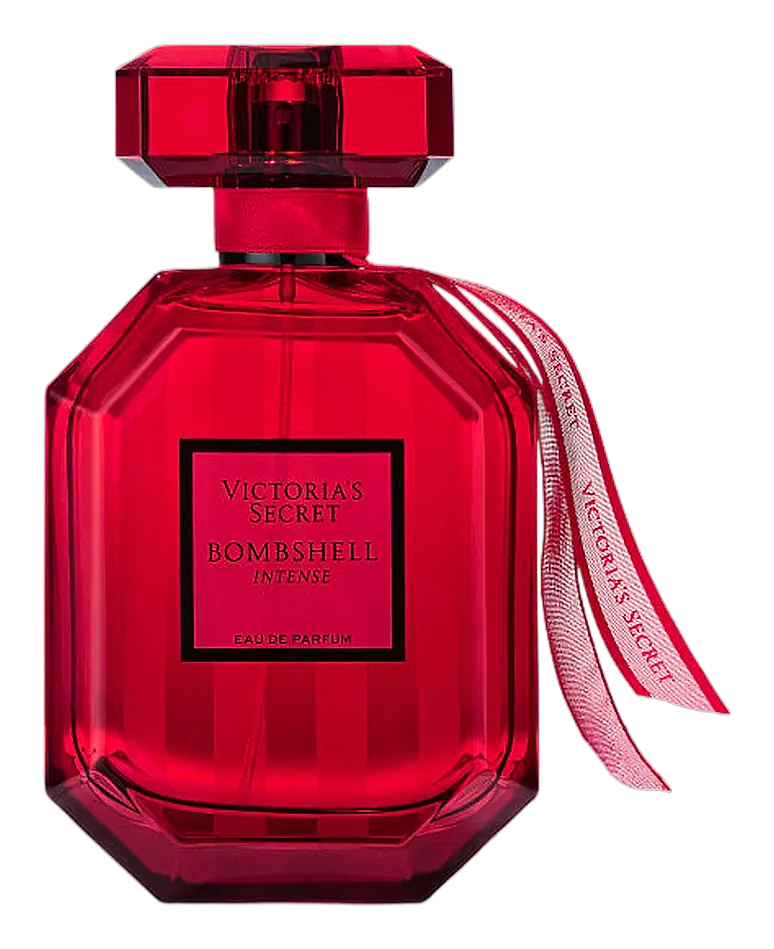
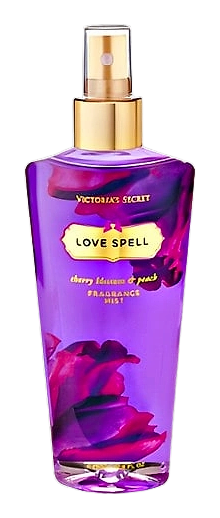
Starlit Wish fits neatly into Victoria's Secret's tradition of approachable glamour, confident femininity that doesn't apologize for wanting to feel beautiful. Warm and intimate rather than avant-garde. Shares DNA with Bombshell and Love Spell but stands apart through restraint. It represents the quieter end of the VS spectrum, appealing to those who want presence without performance.
The House
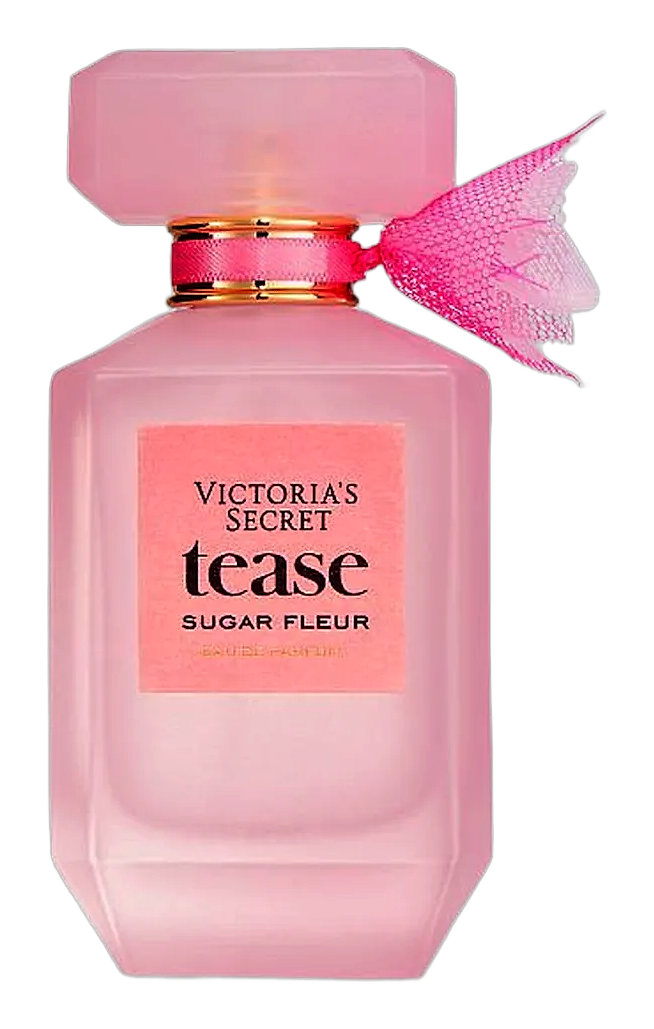
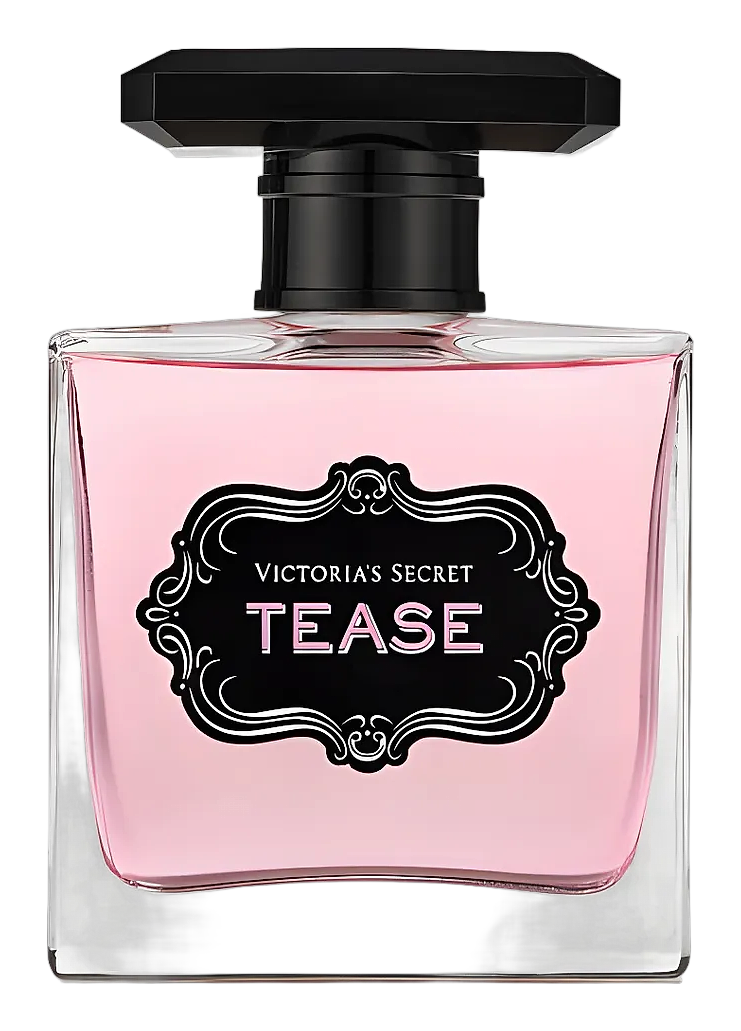
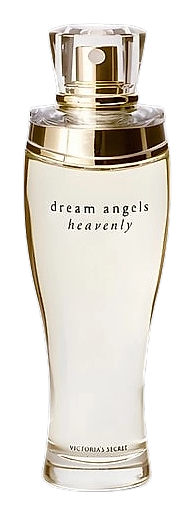
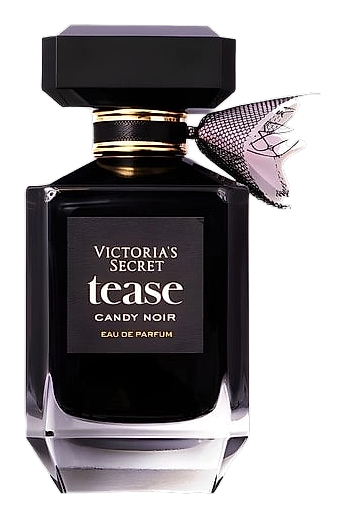
Victoria's SecretVictoria's Secret began as a San Francisco lingerie company founded in 1977 by Stanford graduate student Roy Raymond and his wife Gaye. The brand entered fragrance in 1989, launching its first perfume Victoria as part of a national magazine campaign. By the early 1990s, the company had grown to 350 stores nationwide with estimated sales of $1 billion. The beauty division grew substantially enough to generate nearly $1 billion in sales by 2006. Victoria's Secret fragrances are developed through Givaudan's Paris laboratory, the same fragrance house behind perfumes for Tom Ford, Prada, and Louis Vuitton. The brand works with a rotating roster of over 30 perfumers rather than a single in-house nose, creating scents for its Dream Angels, Very Sexy, Body, and Pink collections. Popular fragrances include Bombshell, Love Spell, Tease, and Heavenly, which ranked as the top-selling fragrance in the United States by both revenue and volume from 2005 to 2010. Victoria's Secret has won 20 Fragrance Foundation awards since 2001. The company offers fragrances alongside perfumed body care products including body mists, body lotions, and eau de parfum in various formats.
The Creator
Louise TurnerTurner's style is hard to pin down to a single descriptor, but there are some common threads. She often plays with contrasting elements, juxtaposing sweet and spicy, floral and woody, or fresh and gourmand notes.