The Story
Why it exists.
The beginning
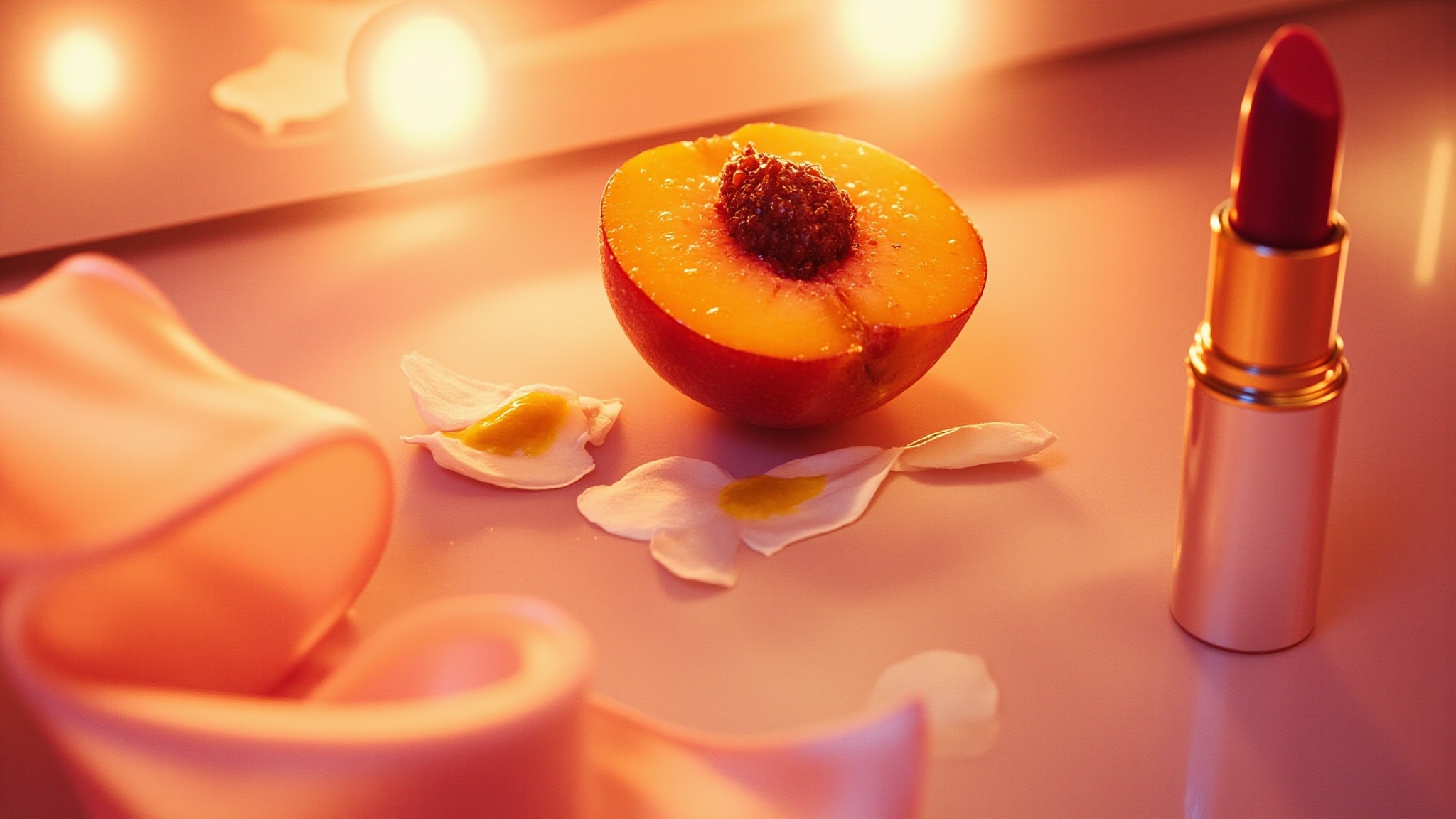
Shine Pink arrived in 2010 as part of the SHINE by PINK collection, Victoria's Secret's answer to the girl who treats getting ready as the main event. The brief was clear from the brand's own copy: find your inner sparkle. This wasn't a fragrance for quiet mornings or low-key afternoons. It was for the getting-dressed-up moment, the one that makes you feel all-lit-up before you've even left the house. Inspired by red carpet fashion and the fresh gossip cycle of Hollywood blogs, the composition centers on peach and tiare flower, a pairing that reads as both fresh and warm, familiar enough to feel approachable but tropical enough to stand out in a crowded mall.
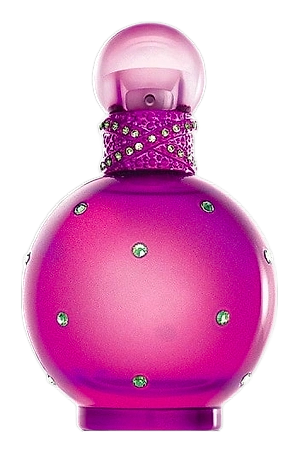
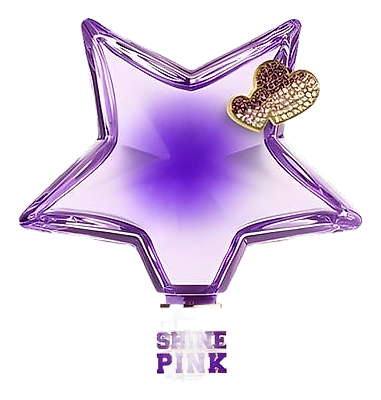
What makes this pairing work is the tension between them. Peach is soft, almost fuzzy, with a sweetness that can tip into jam if you're not careful. Tiare, Tahitian gardenia, brings something creamier, more narcotic, with a honeyed edge that grounds the fruit without dulling it. Together they create a scent that opens bright but settles into something warmer, more enveloping. The star-shaped flacon in violet, decorated with small hearts and zircons, says everything about the fragrance's intention: glamorous, playful, and unapologetically decorative. This is a scent for someone who treats getting ready as the main event.
The evolution
The opening hits fast, peach bright and immediate, like biting into a ripe fruit on a hot day. The tiare follows within minutes, softening the edges, adding that gardenia creaminess that rounds everything out. Within the first hour, the scent settles into its middle phase: sugared petals, the fruity note becoming more confection-like as the florals deepen. This is where the fragrance lives longest, that warm, sweet, floral heart that clings to skin and fabric alike. The drydown is powdery, intimate, the kind of warmth that stays close. Not a projection monster. Not meant to be. On fabric, it lingers for hours after you've moved on to the next thing.
Cultural impact
Victoria's Secret fragrances occupy a specific cultural space: the bridge between beauty counter and boutique. Shine Pink, part of the SHINE by PINK line, landed in 2010 during the height of celebrity-driven beauty marketing, red carpet culture bleeding into mall beauty sections, Hollywood blogs setting the trends that mainstream brands followed. This was the era when a fragrance could be both affordable and aspirational, when the promise of smelling like a party without attending one held real appeal. The star-shaped flacon with violet glass and zircon hearts reflects the brand's gift-shop aesthetic: something decorative, something that feels like a treat rather than a commitment. Victoria's Secret doesn't compete in the niche space.