

Heritage
A house, in its own words
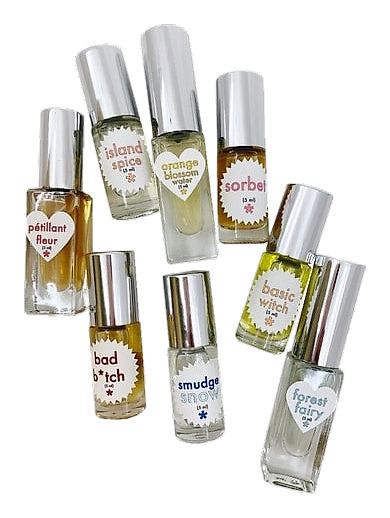
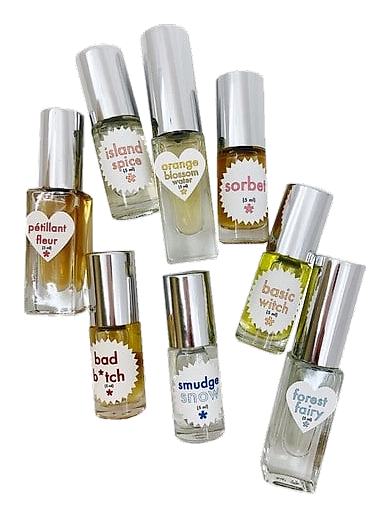
Twinkle Apothecary began in 2015 when Oklahoma City-based perfumer Stefanie Grant-Cassel founded the studio as a one-person natural perfume business. Rather than build a conventional retail line, Grant-Cassel developed a rotating archive of botanical fragrances delivered through Patreon. Subscribers encountered each release as a limited edition, with earlier perfumes eventually removed from the archive. This format became central to the studio’s history and distinguishes Twinkle Apothecary from brands that keep a fixed catalogue on permanent sale. The early catalogue established the pattern of blending scent with atmosphere and memory. Lavender Latte, released in 2018, framed perfume through the warmth of a familiar café drink. Sorbet followed in 2019 as a fruit-led fragrance, while Island Spice, also from 2019, turned toward a brighter tropical mood. Date Night in 2020 extended the archive with a scent associated with intimacy and evening atmosphere. By 2025, the Perfume Archives had announced that the service would close after January 31, marking the end of the Patreon archive model that had shaped the studio’s releases since its founding. The available record does not identify a separate founding date for the Perfume Archives, so the precise transition from the original studio to the archive format remains unclear. Twinkle Apothecary treats perfume as a fleeting encounter rather than a permanent product. That idea guides both the brand’s creative direction and its business model. Each formula enters the Perfume Archives for a limited run, then leaves the collection, giving every scent a defined moment in which it can be discovered and enjoyed. The names of the fragrances play an important role in this approach. Lavender Latte suggests comfort and softness, Sorbet recalls refreshment, Island Spice points to warmth and escape, and Date Night evokes a familiar social ritual. These themes give the compositions an accessible emotional frame without requiring the wearer to understand technical perfumery. The studio’s own presentation describes its fragrances as botanical and crafted in-house, drop by drop, from essential oils, absolutes, and botanical extracts. That language points to a close relationship between the raw materials and the finished scent. Since Grant-Cassel works alone, the approach remains intimate and personal. Her stated practice centres on natural ingredients, small-scale making, and fragrances that feel connected to recognizable experiences. The research provides no named perfumer for the catalogue, so it is best understood as the work of its founder rather than a house built around a roster of outside fragrance professionals.