

Heritage
A house, in its own words
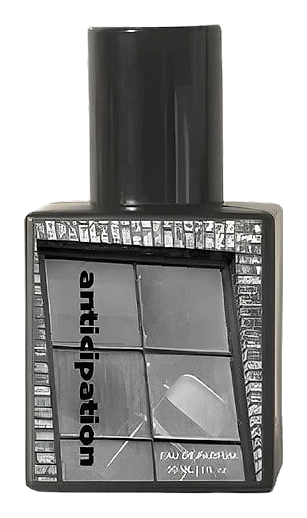
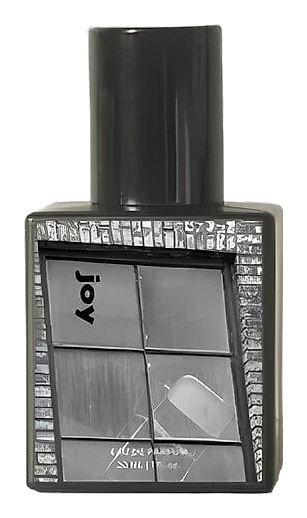
The Tilted Chair emerged from an artist practice rather than a conventional perfume house. Public descriptions place its origins in a broader exploration of scent as a form of language, memory, and emotional knowledge, with the studio working across perfumery, writing, installation, and sculpture. The four fragrances that define the collection, Joy, Anticipation, Anxiety, and Isolation, were not presented as unrelated releases. They form a conceptual sequence of feelings, each giving a distinct emotional direction to the practice. The collection also grew from two place-based explorations, one in Florence and another in New York. Those settings helped frame the creative process, linking scent to the way environments, impressions, and memories shape emotional experience. In the studio’s own account, the tilted chair serves as a central image for this idea, suggesting a slight imbalance that invites attention to the movement between feeling and expression. The available record does not establish a precise founding date, a permanent headquarters, or a conventional company history, so the most accurate account is one of an interdisciplinary artist practice that developed perfumes through research, writing, and spatial work. Its history is therefore less about a long institutional lineage and more about the gradual construction of an olfactory vocabulary. The Tilted Chair’s creative vision rests on scent as a form of communication that can carry memory and emotional knowledge. The studio does not treat fragrance as a simple mood enhancer or a purely decorative object. Instead, it uses perfume as a medium through which feelings can be approached, questioned, and given shape. The names of its four fragrances make this approach immediately legible: Joy, Anticipation, Anxiety, and Isolation are not ornamental labels but emotional prompts. Each scent is positioned as part of a wider system of meaning. The practice also connects perfumery with writing, installation, and sculpture, allowing scent to operate alongside other artistic languages. Its Florence and New York explorations add another dimension, showing an interest in how place changes perception and association. The tilted-chair image reinforces this perspective. It implies an object that is familiar but slightly out of alignment, an invitation to notice what is usually overlooked. That idea informs both the emotional range of the collection and the refusal to separate fragrance from the spaces and experiences that give feelings their context. The studio presents scent as a way of thinking through experience, not merely describing it after the fact.