
The Story
Why it exists.
The beginning
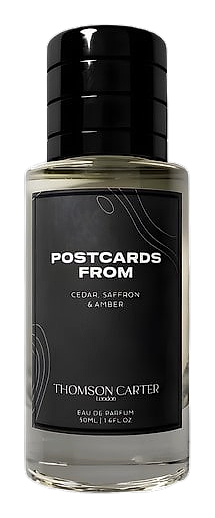
Postcards From opens with a question: what does arrival smell like? Not departure, not the middle of the journey, the moment you step off the plane into a different kind of light. The composition builds around that transition. Saffron evokes the heat shimmer of a runway. Cedar carries the weight of luggage and new air. Amber holds the warmth that doesn't let go. The name came after. It felt obvious.
The three notes, saffron, cedar, amber, create a warm, woody, spicy core that runs through the entire composition. Rather than transforming dramatically from start to finish, the fragrance maintains this coherent center throughout its wear. What's striking is how the scent doesn't fully transform over time. It deepens, showing subtle shifts within that consistent core framework. The composition creates a sense of continuity, where each layer supports rather than competes with the others.
The evolution
Saffron opens sharp and metallic, a brief medicinal bite that resolves quickly into something warmer. Within minutes, amber swells and softens the edges. The cedar arrives quietly, not announcing itself but steadying what came before. By the second hour, the composition has settled into something that reads as a single impression rather than separate notes: warm, golden, slightly sweet with a dry woody undertone. On fabric, cedar lingers longest. On skin, the amber-to-cedar transition holds through the six to eight hour arc. The next morning, trace warmth remains close to the pulse point.
Cultural impact
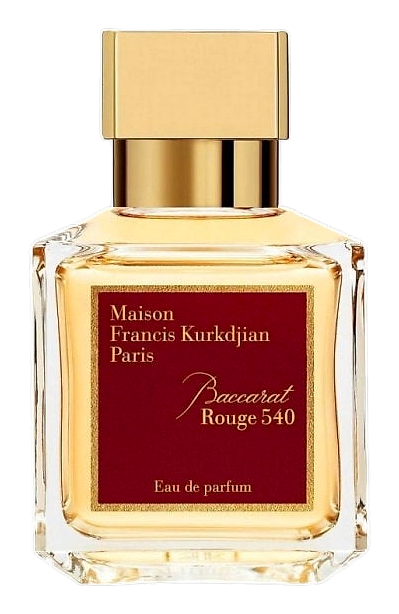
Postcards From has found an audience among wearers who appreciate the Baccarat Rouge 540 DNA but want something less clinical. The comparison appears consistently in community discussion. Wearers note the shared amber-saffron structure while identifying Postcards From as warmer and slightly sweeter. The house positions its work as earned knowledge rather than inherited taste.