




Heritage
A house, in its own words
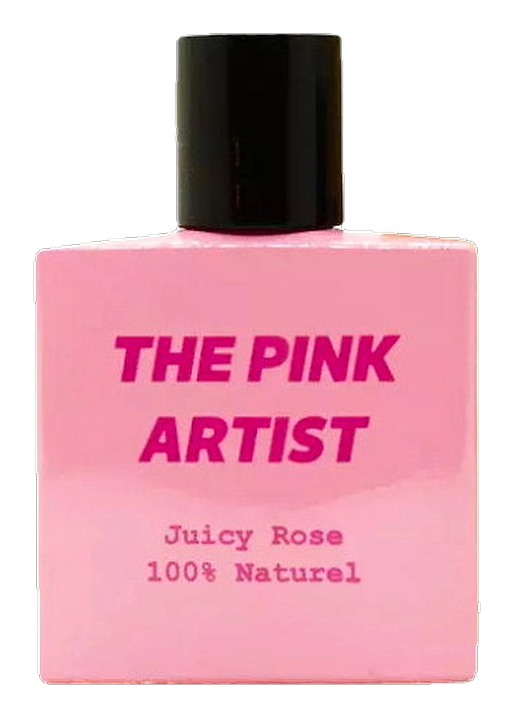
The Pink Artist entered the niche perfume scene in the early 2020s, a period when independent creators increasingly leveraged digital platforms to reach collectors. While the exact founding year is not publicly documented, the brand’s own timeline suggests a launch around 2022, coinciding with a surge of micro‑brands that emphasized limited‑edition drops and direct‑to‑consumer sales. Early releases, such as the 2023 Tropical Smoothie and Lait d'Amande, hinted at a willingness to experiment with unconventional pairings—coconut‑kissed fruit blends alongside creamy almond tones. In 2023, the brand expanded its portfolio with Mojito, a fresh, herbaceous scent that earned coverage on niche fragrance blogs, and Juicy Rose, which reinterpreted a classic floral through a modern, juicy lens. The following year, The Pink Artist introduced Blushy Lips, a pink‑hued flanker that quickly became a reference point for the label’s aesthetic. Throughout its brief history, the brand has maintained a consistent cadence of two to three releases per year, each accompanied by a minimalist pink bottle and a brief story that ties the scent to a specific mood or memory. While it has not yet been the recipient of major industry awards, the brand’s steady output and growing presence on platforms like Instagram suggest a trajectory that aligns with the broader indie perfume movement’s emphasis on authenticity and community engagement. The Pink Artist articulates a philosophy centered on joy, accessibility, and a conversational relationship with scent. According to statements on its website, the brand seeks to demystify perfumery by presenting fragrances that feel like extensions of everyday experiences—whether that is the fizz of a summer cocktail in Mojito or the soft kiss of a first love captured in Blushy Lips. The label emphasizes a limited‑edition approach, believing that scarcity can heighten appreciation and encourage wearers to explore a rotating scent wardrobe. Sustainability is mentioned as a guiding value, with the brand reportedly sourcing ingredients from suppliers who adhere to ethical farming practices, though detailed traceability reports are not publicly available. The Pink Artist also positions itself as a collaborative space, inviting feedback from its community to inform future releases. This iterative loop reflects a broader trend among indie houses that view consumers as co‑creators rather than passive buyers. By focusing on playful narratives and approachable price points, the brand aims to lower barriers to entry for those new to niche perfumery while still offering depth for seasoned collectors.