
The Story
Why it exists.
The beginning
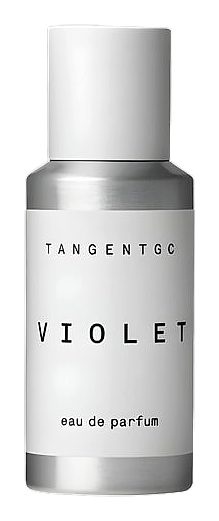
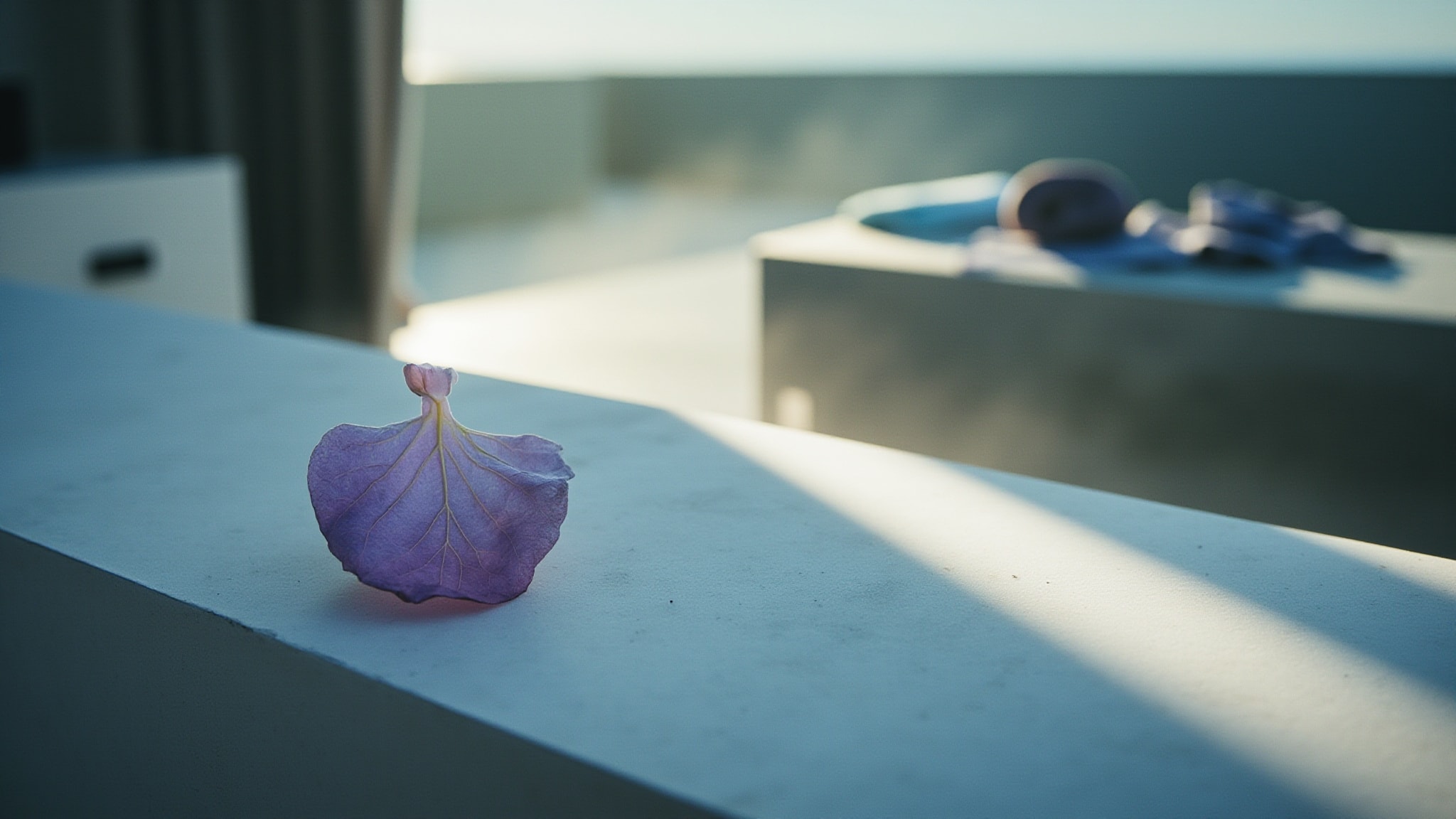
Violet is built around two closely related materials: Violet and Violet Leaf. Rather than treating the flower as a decorative accent, the composition places it beside its greener, sharper counterpart. That pairing creates an immediate tension between floral softness and the clipped, leafy character of the leaf. Violet brings powder, freshness and a familiar floral register, while Violet Leaf introduces a cool green edge. Together they form a focused idea that moves between soft nostalgia and clean brightness, with the flower remaining restrained as the composition develops.
The two-note structure makes Violet easy to read, but not necessarily easy to predict. Violet brings the floral, powdery and fresh register; Violet Leaf supplies the green edge and a brighter, cooler contrast. Together they move between soft nostalgia and clean brightness. The opening is described as sharp, green and synthetic, while the floral accord gradually becomes more present as the fragrance develops. That powdery side gives the composition a familiar, almost vintage center without allowing the violet flower to become overly dominant.
The evolution
The first impression is the greenest and sharpest: Violet Leaf comes forward with a cool brightness that gives the opening a clean, slightly unreal quality. As time passes, the composition softens without losing its edge. Violet gradually becomes more legible, and the floral accord shifts toward powder and nostalgia, like an old scent remembered through fabric or a drawer. That change is the surprise. What begins as a clipped green edge becomes a more familiar violet, though Violet Leaf continues to cut through it. By the later drydown, the violet flower remains restrained rather than fully taking over, leaving the floral and green elements in close balance.
Cultural impact
Violet’s appeal lies in its distinctive green-sharp floral character. The composition places the flower beside violet leaf, allowing a familiar floral note to meet a cooler, more assertive material. That contrast gives the fragrance an identity rooted in the materials themselves rather than in an elaborate decorative narrative. Violet can be read through both its floral and green dimensions, with the flower emerging gradually while the leaf continues to influence the composition. The result is a modern violet that feels both familiar and unexpectedly restrained, inviting attention to how each material changes the other.