
Heritage
A house, in its own words
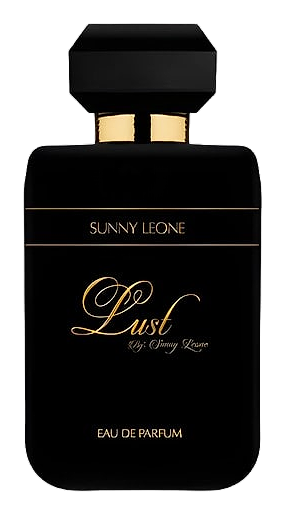
Sunny Leone’s fragrance story begins from a career already spanning Indian and international entertainment. In a 2015 report on her planned perfume line, she described the project with Daniel as an early step in building a brand around them. The announcement positioned Sunny Leone not simply as a celebrity endorsing a fragrance, but as the personality attached to its identity. That distinction became more visible with Starstruck by Sunny Leone, a cosmetics brand launched in 2018 and described in trade-related material as celebrity-owned. The move from fragrance into color cosmetics broadened the business while retaining Sunny Leone’s name as its central public signature. A later chapter came with Affetto by Sunny Leone, which presents itself as a fragrance and body-mist house founded in 2020. Affetto’s own profile calls its work limited-edition fragrances and body mists and describes the products as long-lasting, although that language comes from the brand and should be treated as a positioning claim rather than an independently tested performance claim. Across these ventures, the history is less a documented lineage of perfumery than the creation of several personal brands by a recognizable public figure. Lust for Her and Lust for Him form the earliest fragrance chapter, Starstruck extends the identity into makeup, and Affetto develops it further through scent and body products. The supplied research supports these stages, names and dates. It does not establish a single corporate founding date for every Sunny Leone fragrance business, nor does it identify a continuing parent company that can be reliably named. For that reason, 2015 is recorded here as the year of the first perfume-line announcement, while 2016 is the documented release year for Lust, rather than presenting either date as the foundation of all later projects. The clearest creative idea within Sunny Leone’s fragrance work is personal expression. The original Lust line pairs a woman’s scent with a man’s counterpart under one Lust name, suggesting that attraction and intimacy can be explored without assigning fragrance to one gender alone. Search material describes Lust as refreshing and elegant, but it does not supply a reliable breakdown of its opening notes, heart, base or intended wear beyond that broad positioning. The restrained palette is useful because it keeps the focus on mood and relationship rather than on a heavily ornate identity. In Affetto, the same interest in self-presentation becomes more direct. Public brand copy associates its fragrances and body mists with individuality and describes them as a long-lasting spritz. Those phrases communicate an accessible, wearable approach, though they do not prove wear duration or formulation performance. Sunny Leone’s wider brand development also reveals a consistent method: put the personality behind the product, then give it a distinct label suited to its category. Lust carries the emotional charge of desire. Starstruck carries the glamour and visual language of celebrity-led cosmetics. Affetto turns toward fragrance and body mist as everyday personal expression. This progression suggests that the creative value lies in clear naming and recognizable identity as much as in the scent itself. No reliable source in the supplied material identifies a perfumer, a house philosophy about composition, or a formal approach to natural and synthetic ingredients, so those points remain unclaimed. What can be supported is a practical brand philosophy built around intimacy, accessibility and the association of scent with the founder’s public image.