Heritage
A house, in its own words
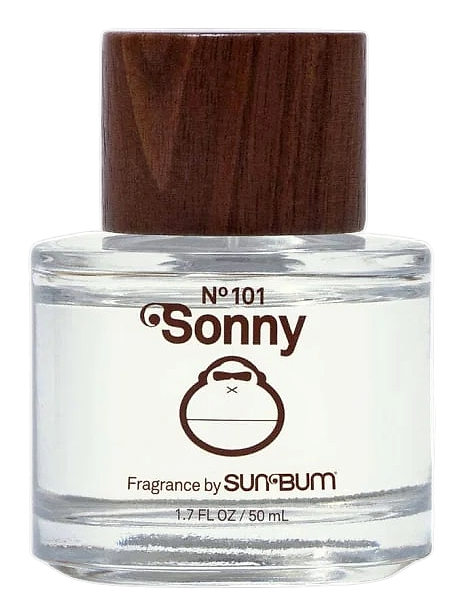
Sun Bum was founded in 2010 in Cocoa Beach, Florida, with a single mission: protect the people you love from the sun. The brand emerged from a simple observation that quality sun protection felt clinical, expensive, or boring. So the founders built something different, a line of SPF products designed to feel approachable, affordable, and tied to a coastal lifestyle rather than a pharmacy shelf. For more than a decade, Sun Bum grew quietly within its lane. Sunscreens, lip balms, and tanning oils carried the name, each one stamped with the brand's signature yellow-and-black color blocking and the easygoing humor that defined its packaging. The company expanded its product range, hired a roster of surfers and skaters as ambassadors, and built a loyal audience that associated the brand with beach days and road trips. The fragrance chapter arrived almost by accident. In early 2025, Sun Bum noticed a wave of social media posts, particularly on TikTok, where fans were layering the brand's coconut-scented sunscreen and asking when the scent would become a standalone product. The team initially resisted, wary of moving outside their core category. By summer 2025, demand became impossible to ignore. Sun Bum released Sonny No. 101, a limited-edition eau de parfum developed to capture the olfactory signature of their Original SPF. The launch was positioned as a limited drop, and it sold out quickly. The success confirmed what social media had already suggested: people wanted to carry summer with them, and Sun Bum's coconut had become shorthand for that feeling. The brand now operates within a wider personal care portfolio while keeping its surf-soaked DNA intact. Sun Bum's creative vision centers on accessibility without sacrificing identity. Where most sun care brands play it safe, leaning on dermatological language and clinical packaging, Sun Bum built a world that looks and feels like a beachside hangout. The brand speaks in first person, cracks jokes on its labels, and trusts its audience to appreciate humor alongside function. The decision to enter fragrance came directly from community input. Rather than commission a perfume to position itself as a luxury house, Sun Bum listened to a recurring request and translated it into a product. The philosophy is responsive and democratic, the idea that a great scent should belong to anyone who wants it, not gatekept behind a prestige price tier. Sun Bum also leans into the idea of scent as memory. The coconut note that anchors Sonny No. 101 is not designed as a novel composition. It is meant to recall specific moments: the smell of sunscreen on warm skin, the residue of a long day at the beach, the sticky-sweet aftermath of summer. The brand treats fragrance as an extension of an already-existing sensory world rather than a departure into something new. This responsiveness extends to branding. Sun Bum's tone is casual, its visuals bright, and its voice unmistakably American coastal. The brand does not posture or over-explain. It assumes its audience already speaks the language.