Heritage
A house, in its own words
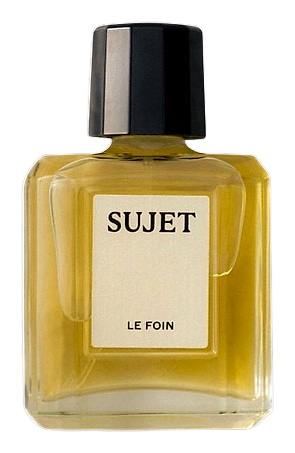
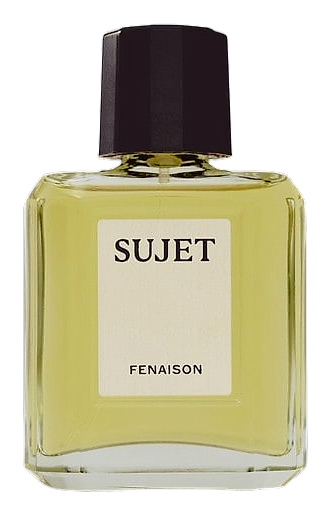
The creators of Sujet first made their mark with Typology, a cosmetics label launched in 2017 that championed ingredient transparency and minimalist packaging. After seven years of building a reputation for clean beauty, the founders turned their attention to fragrance, noting a gap in the market for scents that could directly reference the provenance of raw materials. In November 2025 they announced the formation of Sujet Parfums, a separate entity dedicated to exploring the olfactory language of farming. The launch was accompanied by a limited‑edition release called Le Foin, a scent inspired by freshly cut hay and the earthy aroma of early‑morning fields in the French countryside. Le Foin was presented in a recyclable glass flacon with a simple label that listed the exact farm and harvest date of the key botanical extracts. In 2026 the house expanded its catalogue with Fenaison, a fragrance that captures the scent of wheat at the moment of threshing. Both releases were produced in small batches in a Parisian workshop that works closely with regional growers. By 2027 Sujet introduced a refill program, allowing customers to return empty bottles for sterilised refills, reinforcing the brand’s commitment to circularity. In 2028 the house announced a partnership with a cooperative of organic grain farmers in the Loire Valley, securing a dedicated supply chain for future seasonal editions. Throughout its brief history, Sujet has remained rooted in the idea that perfume can serve as a documented trace of agricultural labor, turning everyday farm work into a celebrated olfactory archive. Sujet’s creative vision rests on the belief that scent can act as a map of the agricultural calendar. Each fragrance is conceived around a specific harvest moment, and the brand publishes the exact field, cultivar and date of collection alongside the perfume’s description. This traceability model reflects a broader commitment to sustainability: ingredients are sourced from farms that practice low‑input agriculture, and the house avoids synthetic aromachemicals unless they are essential for stability. The brand also emphasizes education, providing buyers with short leaflets that explain the botanical’s role in the ecosystem and the cultural practices of the region. By foregrounding the human hand that cultivates the raw material, Sujet seeks to shift the narrative of perfume from abstract luxury to a grounded, responsible craft. The philosophy extends to packaging, where recycled glass and biodegradable labels are standard, and to distribution, which favours direct‑to‑consumer channels that minimise carbon footprint.