The Story
Why it exists.
The beginning
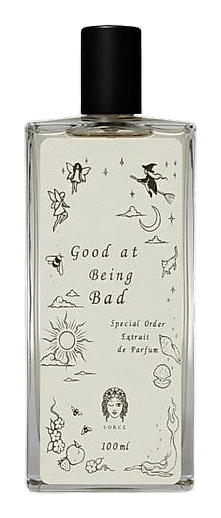
Good at Being Bad carries a kind of dessert-counter confidence that doesn't bother with apologies. The title is a wink, and the composition follows through on it. Honey, buttercream, jasmine, and black vanilla husk aren't subtle materials, and Good at Being Bad doesn't pretend otherwise. There's a generous sweetness here, the kind that fills a room and settles into your clothes by the end of the night. The listed accords, honey, white floral, sweet, floral, vanilla, and gourmand, confirm the direction: this is a committed gourmand built on indulgent foundations. What saves it from tipping over into pure confection is the salt threaded through the base. It cuts through the richness with a clean, mineral edge, giving the composition a sharper personality underneath all that frosting.
What's interesting here is the restraint inside the excess. The listed notes read like a bakery's manifest, but the main accords, honey, white floral, sweet, floral, vanilla, and gourmand, suggest something more composed than a sugar bomb. Beneath the buttercream, jasmine adds a soft, powdered floral layer that gives the composition a quiet lift and a quality that keeps it from feeling flat. Rather than a standard vanilla absolute, black vanilla husk brings a deeper, more textured character to the base, something that reads as darker and more resinous than a straightforward vanilla note.
The evolution
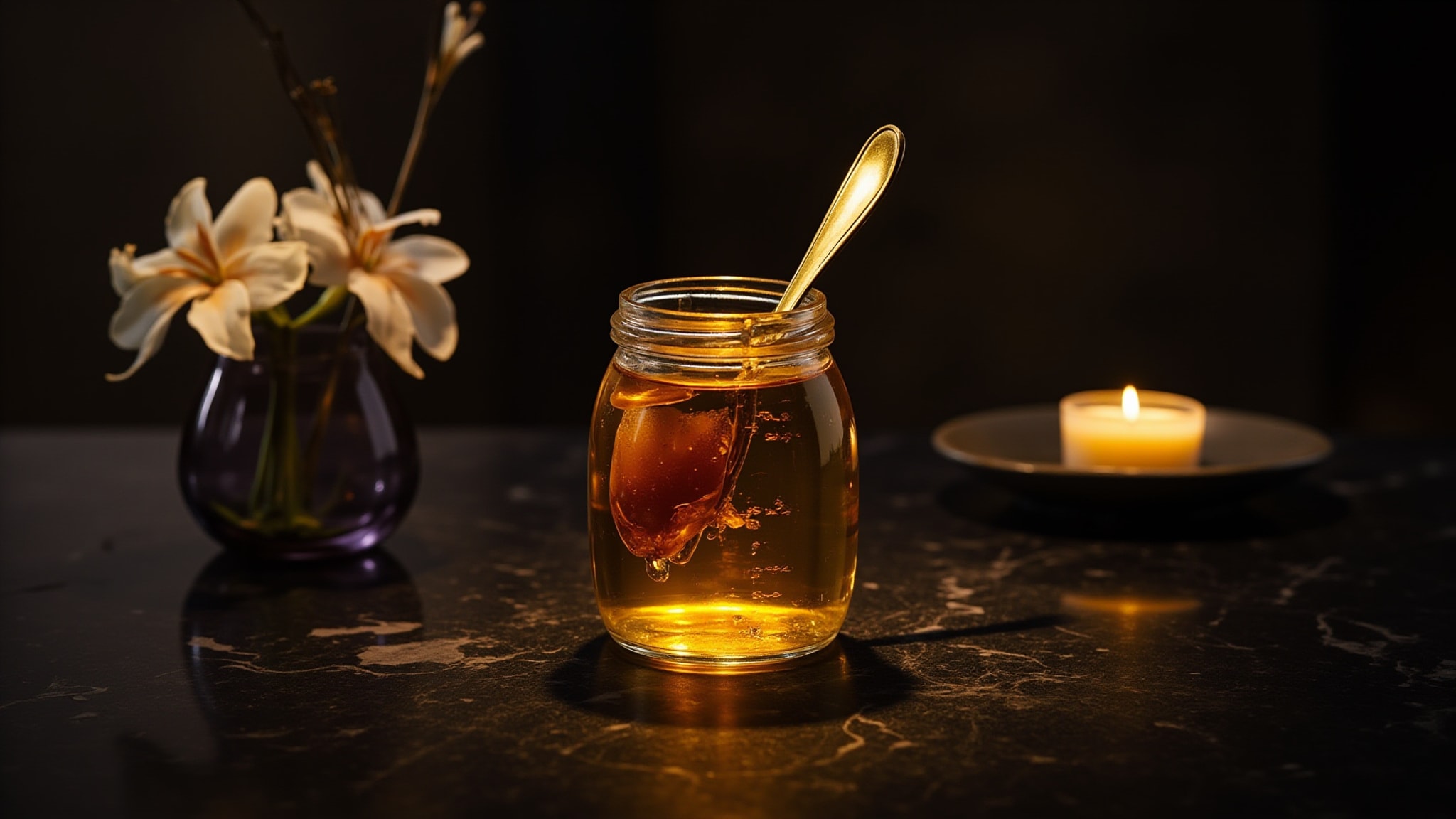
The opening is almost confrontational. Honey hits thick and warm, with buttercream backing it up like a close harmony. There's a brief bitter edge at the start, a sharpness that grounds the sweetness before everything rounds out. Jasmine arrives quietly soon after, more powdered than indolic, sitting beneath the sweetness like a whisper under loud music. As the composition warms on skin, the buttercream softens and the salted vanilla starts to surface. From there, the drydown is where this earns its longevity. The honey thins into something more golden and translucent, the vanilla husk darkens slightly, and the salt keeps everything honest through the remaining hours. On fabric the next morning: a faint trace of warm, slightly salty sweetness, like the memory of a pastry you ate hours ago.
Cultural impact
Good at Being Bad commits to its sweetness in a way that's worth paying attention to. The salted-vanilla twist and the jasmine underneath give it a complexity that separates it from straightforward bakery scents. The listed accords, honey, white floral, sweet, floral, vanilla, and gourmand, confirm a gourmand foundation, but the execution goes beyond the usual dessert-replica territory. The salt introduces a savory counterpoint that keeps the composition grounded, and the jasmine adds a soft, floral dimension that prevents the base from collapsing into pure sweetness.