The Story
Why it exists.
The beginning
Pain Couture arrived in 2026 with a simple, almost comic premise: let brioche lead every part of the composition. Its top, heart, and base notes all name the same bakery scent, turning a familiar pleasure into a fragrance with one loud idea and nowhere to hide. That repetition is the point. Instead of building a conventional pyramid that moves from brightness to depth, Pain Couture circles the warmth of buttered pastry from first spray to drydown. The name adds another layer of character, pairing an everyday treat with a sharper fashion word. Together, they suggest indulgence with a wink, the kind of scent that doesn't need to explain its cleverness because the concept already does.
Using brioche at the top, heart, and base makes this an unusual study in repetition. Usually, a fragrance separates its materials into distinct stages, but here each layer returns to the same buttery, baked idea. The result is a deliberately focused sweet accord: warm rather than bright, rounded rather than sharp, and easy to read from the first moment. It also asks the wearer to treat a simple food memory as a finished fragrance, not a supporting note buried under florals or woods.
The evolution
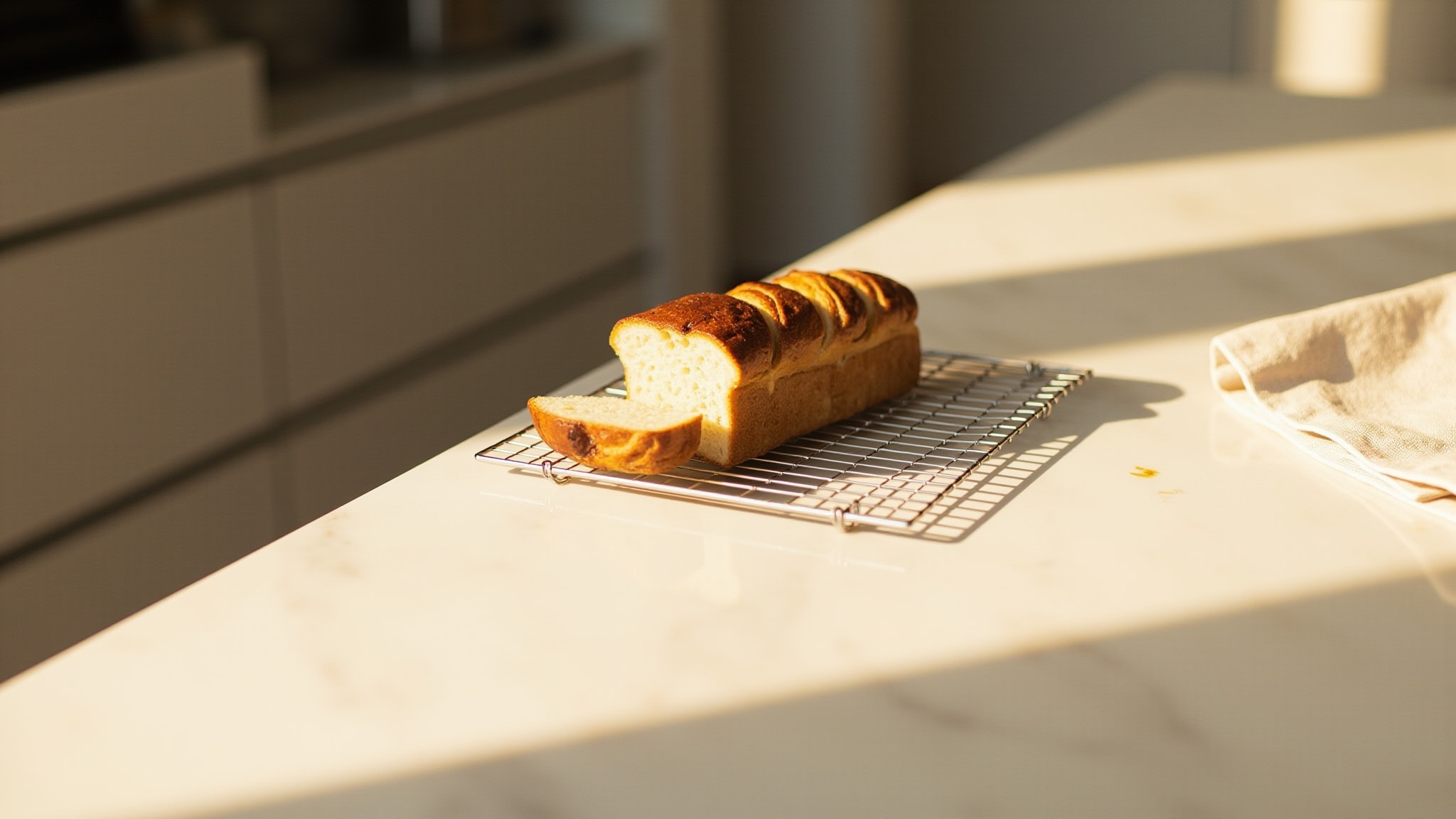
The first impression is warm and fresh from the oven, with a soft golden quality that feels more comforting than dramatic. Rather than changing notes as it develops, Pain Couture keeps returning to brioche, tightening the same buttery sweetness into a denser, toastier expression. That repetition gives the scent continuity. The early impression feels softly baked and airy, with a gentle curl of warmth and a creamy center. Through the heart, the warmth grows more enveloping, like pastry cooling beside a cracked oven. The buttery note develops gradually, gaining a lightly toasted edge while keeping its soft, rounded character. By the drydown, the sweetness remains rich and close, with less lift and more weight. No separate material overtakes it.
Cultural impact
Pain Couture draws on the playful potential of a name centered on pain and pastry. Its single-note construction turns sweetness into the defining feature of the fragrance, presenting a clear culinary identity with a more intimate, approachable character. The scent opens softly and freshly baked, then develops into a warmer blend of buttery richness and light toast. Its consistent brioche profile makes the experience easy to read while still leaving room to notice the changing texture as it wears.