The Story
Why it exists.
The beginning
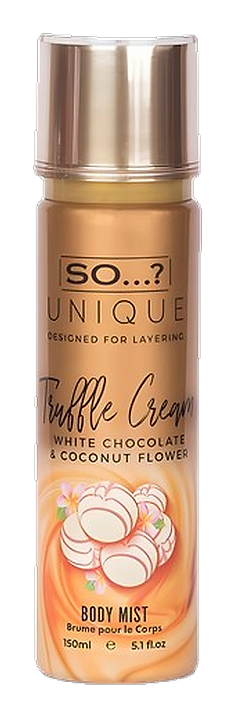
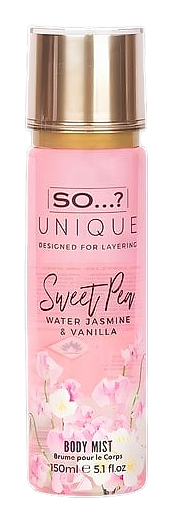
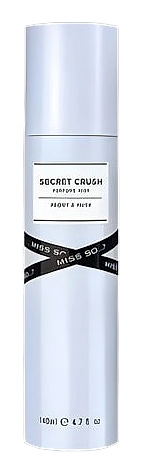
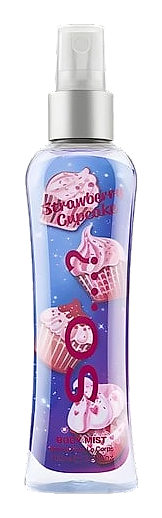
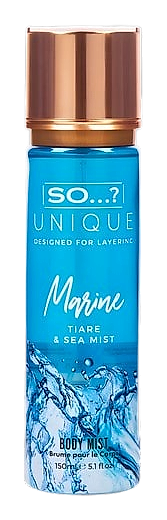
Marine Tiare & Sea Mist arrived in 2020 as part of So...? Unique, a line built on simple duos: one floral, one place. The collection's premise is what it sounds like. Tiare, the Polynesian flower used in monoi oil and traditional island garlands, meets the smell of open water. No backstory about a perfumer's Tahitian honeymoon. No fictional muse. Just two notes that already know each other from beaches and sunscreen bottles, paired and priced for wearing rather than admiring.
Tiare is unusual in mainstream fragrance. It's not jasmine, not gardenia, not quite frangipani. It has a creamy, almost coconut-edged sweetness with a green undertone that keeps it from going flat. Pairing it with sea water is smart because marine accords are notoriously flat on their own. The salt gives the tiare something to bounce off. Without that contrast, you'd have a sunscreen scent. With it, you get something closer to the actual experience of warm skin near warm ocean.
The evolution
The opening hits with salt right away, a cool, almost ozonic sharpness that reads more Atlantic than lagoon. Within the first ten minutes, the tiare arrives underneath, not as a separate note but woven into the salt like it's been steeping in seawater. The white floral doesn't bloom so much as settle. For the next two to three hours, the composition stays in this salty-floral middle register, the kind of thing you'd smell on someone walking past in a summer crowd. There's no dramatic shift into a base, because there's no real base. What happens instead is a gradual thinning. The tiare softens. The salt lingers. By hour four, what's left is a clean, skin-warm trace with a faint floral ghost. On fabric, particularly cotton, the marine accord holds longer than on skin. A scarf worn the next morning still carries it.
Cultural impact
Marine Tiare sits at the crossroads of two traditions that rarely meet in fragrance: the European shoreline-inspired ozonic accord popularized through the 1990s, and the Polynesian tiare flower, sacred in Tahitian culture and traditionally worn as a behind-the-ear adornment by both men and women. The pairing is unusual in commercial perfumery, where tiare more often appears in coconut-heavy monoi oils and sunscreen-adjacent body care than in a structured fine fragrance. By isolating the flower from its usual creamy base and pairing it against cold mineral air, the composition reframes tiare as something wind-bitten and contemporary rather than tropical-cliché.