



Heritage
A house, in its own words
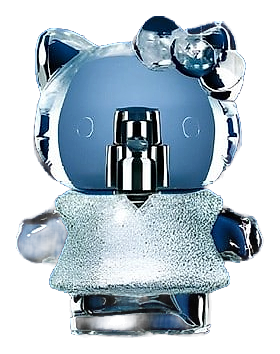
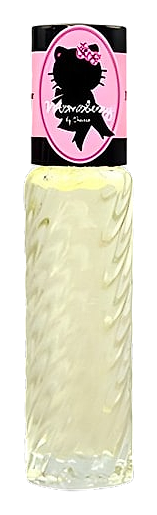
Sanrio traces its origins to 1960, when Shintaro Tsuji founded Yamanashi Silk Center Co., Ltd. in Tokyo. The company initially operated as a silk trading business, but Tsuji recognized an opportunity to build a character-driven communication business that could foster social connections through everyday products. In 1962, the company created its first original character, marking the beginning of what would become one of the most influential character licensing operations in the world. The company underwent its formal renaming to Sanrio Co., Ltd. around 1973, solidifying its identity as a character-based entertainment and licensing enterprise. The year 1974 proved transformative with the introduction of Hello Kitty, designed by Sanrio's internal design team. This white kitten with a red bow became a global phenomenon and the cornerstone of the company's licensing empire. Sanrio expanded internationally in subsequent years, with the Philippines market opening through distributor Gift Gate in 1976, founded by Virgie Ramos. The company has since developed an extensive portfolio of original characters numbering in the hundreds, though Hello Kitty remains its most recognizable creation. The fragrance licensing line represents one of many product categories where Sanrio characters appear, with the company generating revenue through character licensing agreements rather than directly manufacturing most products bearing its designs. Sanrio operates on a philosophy of emotional connection and social communication through character-based storytelling. The company's foundational belief centers on the idea that characters can serve as vehicles for human connection, bringing people together through shared affection for fictional personalities. This approach shapes how Sanrio extends its characters into new product categories, including fragrances. Rather than leading with expertise in perfumery techniques, Sanrio positions its fragrances as another avenue for fans to express affinity for specific characters. Each fragrance becomes a tangible way to interact with beloved personalities, transforming scent into a form of character engagement. The company maintains that character attachment drives consumer interest, and products should reflect the distinct personalities, colors, and moods associated with each creation. This philosophy prioritizes emotional resonance over technical fragrance innovation, treating each scent as an extension of character identity rather than a standalone olfactory creation.