




























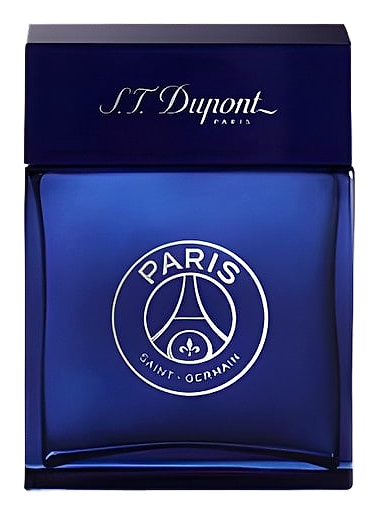


Heritage
A house, in its own words
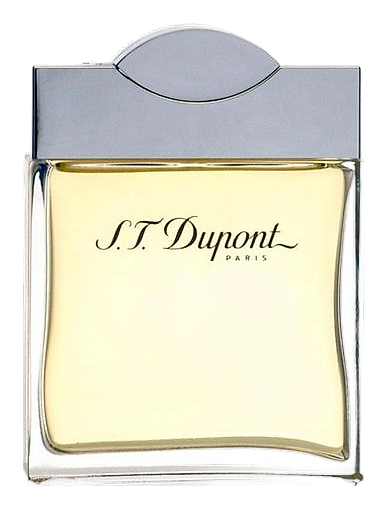
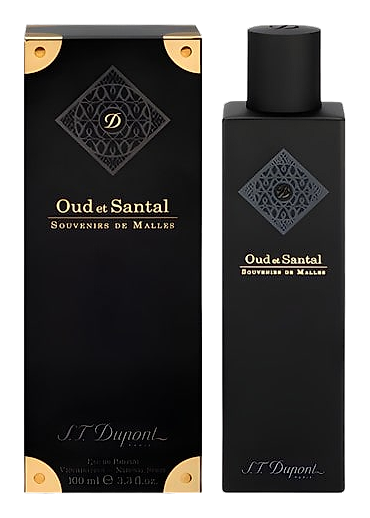
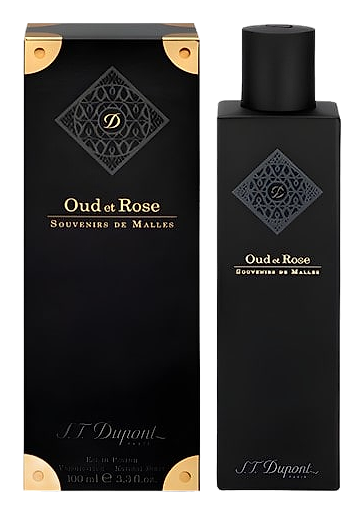
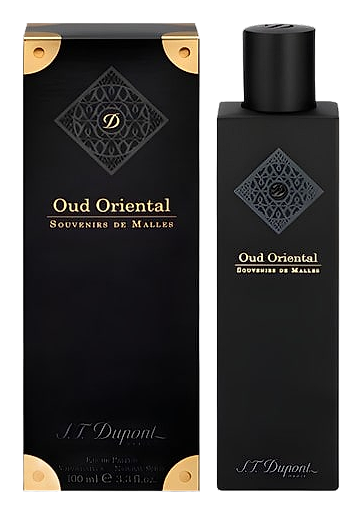
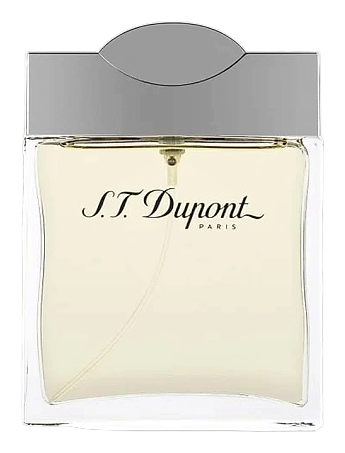
Simon Tissot‑Dupont opened a small workshop in Paris in 1872 after serving as Napoleon III’s photographer. He quickly earned a reputation for meticulous metalwork, a skill that later defined the company’s iconic lighters. By the early 20th century S.T. Dupont introduced the first “Le Dôme” lighter, a model that still carries the signature click sound. The firm expanded into pens, leather goods and jewelry throughout the 1900s, always emphasizing hand‑finished detail. In 2000 the brand launched its inaugural perfume, Signature for Men, marking a deliberate step into olfactory design. The fragrance used a classic aromatic‑spicy blend and signaled that the same attention to material and form could translate into scent. Over the next decade S.T. Dupont partnered with external perfumers to develop a series of niche releases: Dupont Oud et Santal (2012) highlighted rare Indian sandalwood, Royal Edition (2015) celebrated the brand’s centennial with a citrus‑woody accord, and Noble Wood (2017) explored a forest‑inspired palette. The line continued to grow with Perfect Tobacco (2019), a tribute to the brand’s historic association with fine tobacco accessories. Each launch reinforced the company’s commitment to French artisanal values while allowing the house to experiment with contemporary fragrance trends. Today the perfume portfolio sits alongside the classic lighter and leather collections, illustrating a century‑long evolution from a modest workshop to a diversified luxury house. S.T. Dupont treats perfume as an extension of its broader design ethos. The brand believes that a scent should convey the same sense of balance that a lighter or pen does: clear structure, subtle nuance, and lasting presence. It selects raw materials that meet strict quality standards, often sourcing ingredients from regions with established trade histories, such as Indian sandalwood for Oud et Santal or Venezuelan tobacco for Perfect Tobacco. The house avoids fleeting trends, preferring timeless accords that age gracefully on the skin. Collaboration with perfumers remains selective; the brand invites creators who respect the same precision that guides its metalwork. S.T. Dupont also emphasizes sustainability, reporting that it works with suppliers who practice responsible harvesting, especially for rare woods and oud. The result is a fragrance line that mirrors the company’s broader promise: to deliver objects that feel both personal and enduring.