

Heritage
A house, in its own words
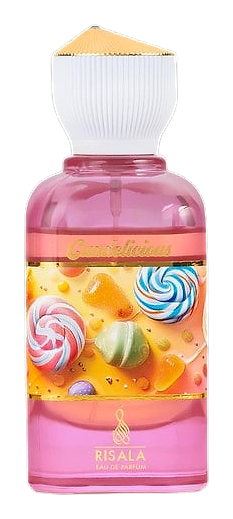
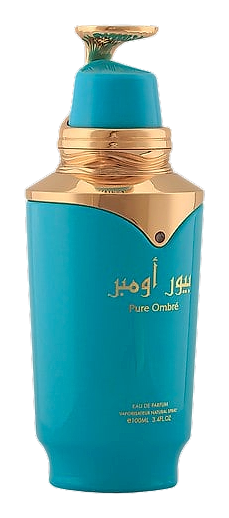
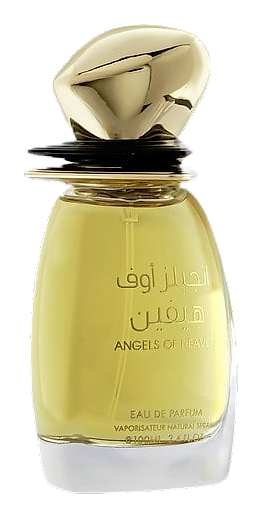
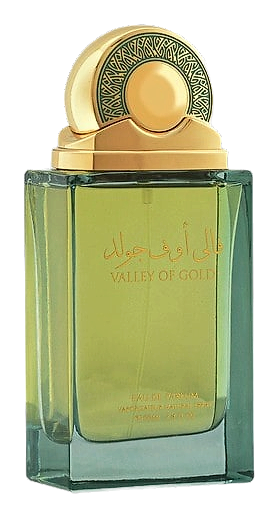
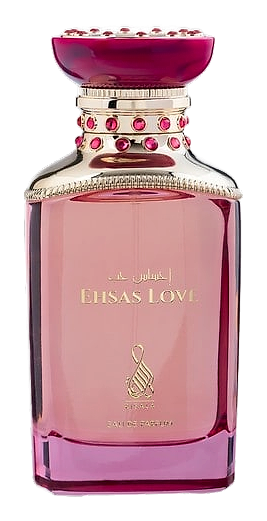
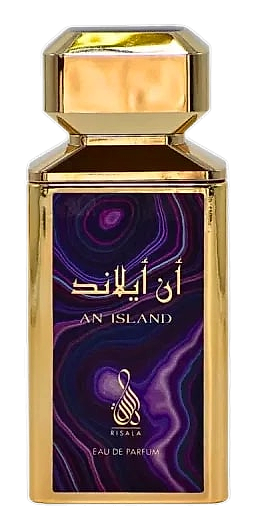
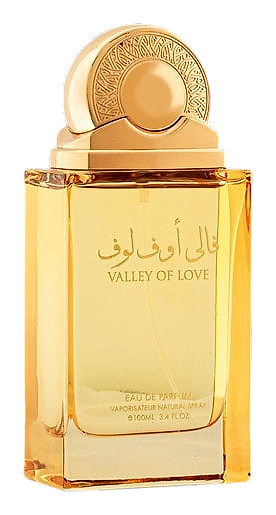
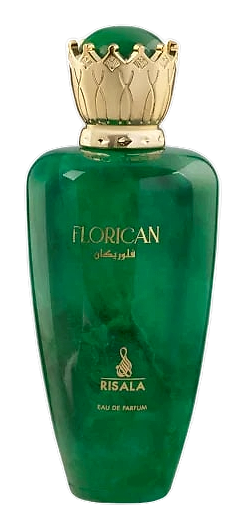
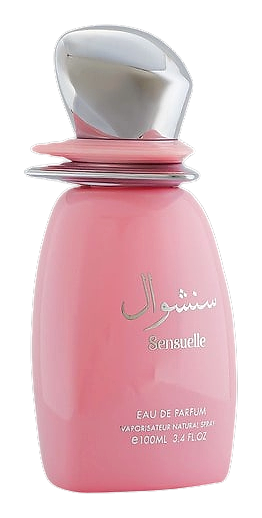
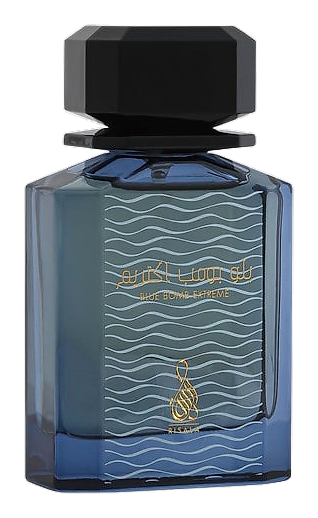
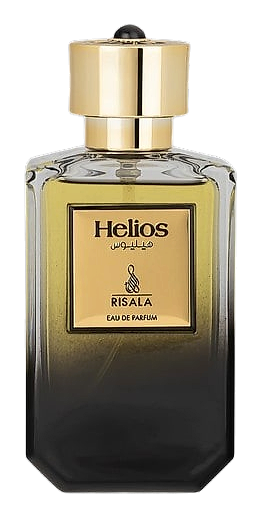
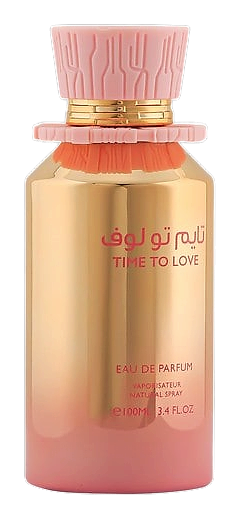
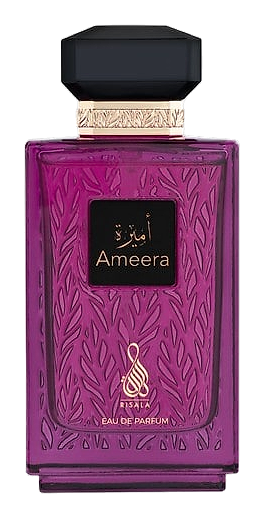
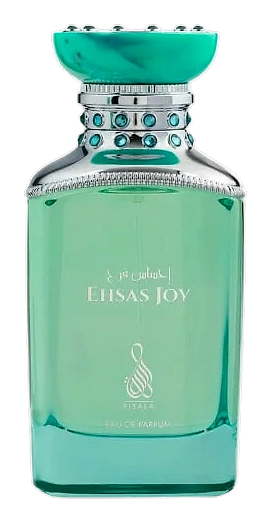
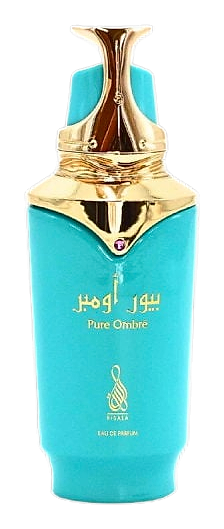
The precise founding details of Risala remain sparse in publicly available sources, though the brand operates under the Sterling Perfumes umbrella, a fragrance manufacturer based in Dubai. Sterling Perfumes has established itself as a significant presence in the regional fragrance industry, producing multiple brands that serve Middle Eastern and international markets. Risala's conceptual foundation rests on the fusion of two distinct perfumery traditions: the technical precision and elegance associated with French fragrance artistry, and the rich, often opulent aromatic palette of Oriental perfumery. The brand's name itself carries cultural weight, with "risala" meaning message or letter in Arabic, a deliberate choice that positions the brand as a communicator of sensory narratives. In early 2026, Risala collaborated with Fragaby on the launch of Fragaby I & II at Cosmoprof Miami, marking an expansion into international trade show visibility. The house's 2024 collection of ten fragrances demonstrates a mature output strategy across multiple scent profiles, suggesting established production capabilities and creative direction. Risala approaches fragrance creation as a dialogue between traditions. The brand's stated philosophy centers on blending the elegance of French artistry with the exotic charm of the Orient, though this description appears on brand materials and should be considered as self-reported positioning. The house appears to prioritize emotional resonance in its naming conventions and scent development, with fragrance names like Ehsas Joy (Joyful Experience), Surur (Joy or Gladness), and Sana (Radiance) indicating an orientation toward mood and sentiment. The breadth of the 2024 collection, ranging from romantic themes to more assertively named scents like Zafer (victory), suggests a desire to address varied emotional territories rather than maintaining a single house signature. The choice to release ten fragrances within a single year signals ambition and productive capacity, though details about the creative process and perfumer involvement remain limited in accessible sources.