The Story
Why it exists.
The beginning
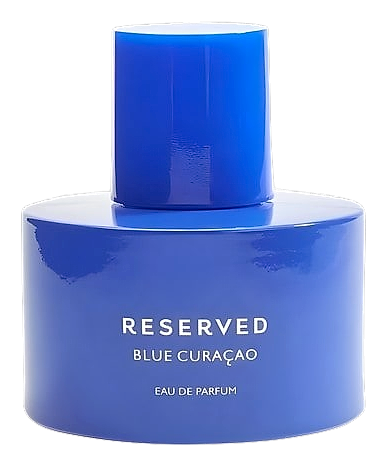
Blue Curaçao sits within Reserved's blue-water series, a string of releases that turned the spectrum itself into a creative axis. The house treats each fragrance as a single image sharpened to its most legible form, and this one reads as the beach compressed into a single frame. The name references the liqueur most people recognize from a glass rather than a bottle, the one that lends its color to tropical cocktails without anyone asking what's actually inside it. The source ingredient carries a citrus weight, bitter and rounded in equal measure, and that's the note Reserved isolates and places at the center of the composition.
Marine fragrances tend to arrive with a fixed vocabulary, the smell of sea air rendered through a handful of familiar chemicals that most wearers can't name but most noses recognize. Blue Curaçao works inside that vocabulary but refuses to rely on the usual shortcuts. The composition draws its marine character from sea salt and water notes, the two structural elements that carry the salty backbone from first spray to final fade.
The evolution
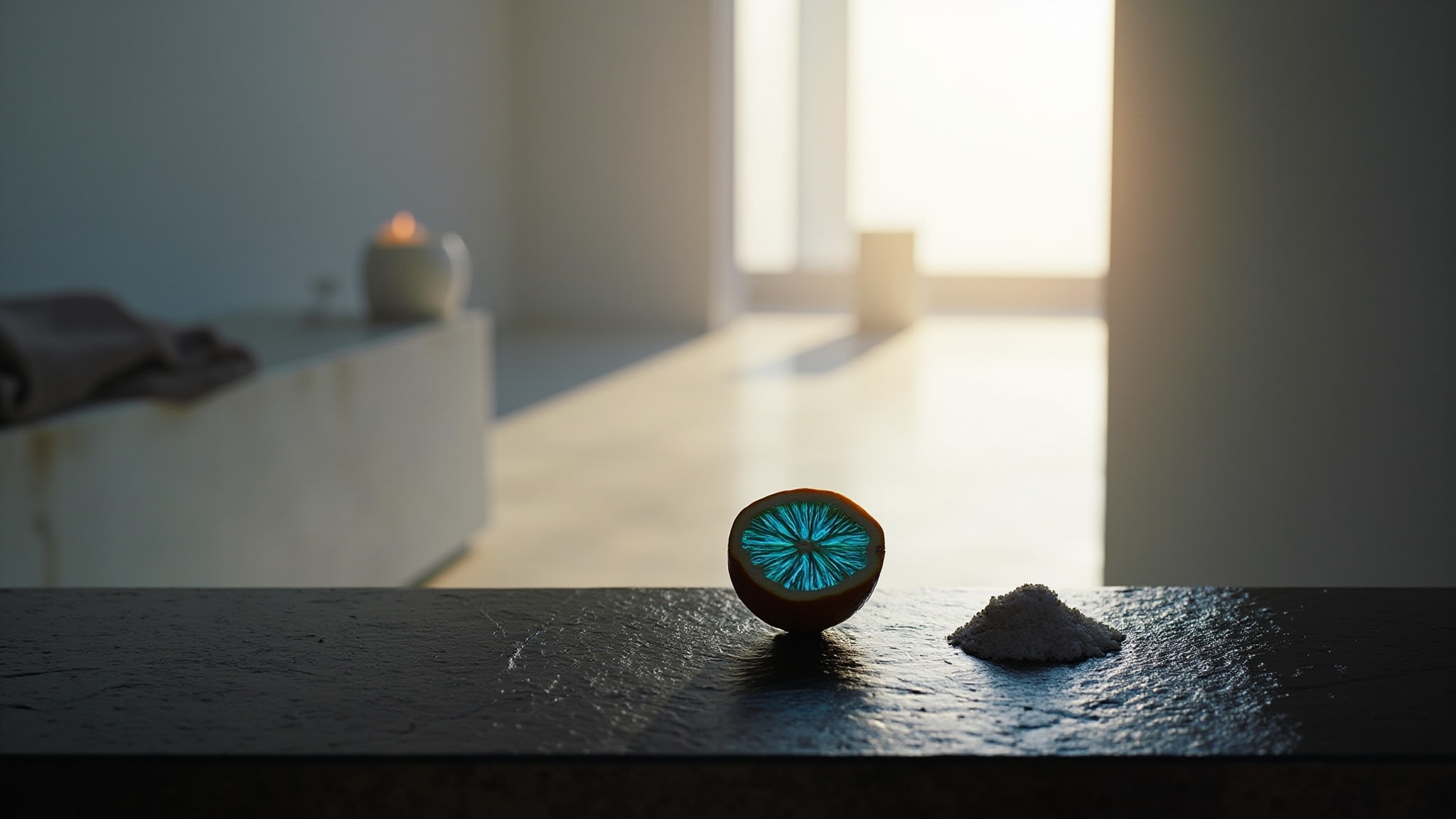
The opening presents a bright, sharp impression, with the blue curaçao note's bitter orange sweetness sitting right at the surface. There's a fizzy quality to it, almost effervescent, the kind of citrus brightness that hits before the rest of the composition has a chance to settle. The opening is uncomplicated and clean, carrying the kind of clarity that reads as cold glass under warm light. As the composition develops, the sea salt arrives and shifts the entire structure. The transition isn't dramatic; it's gradual, more like a change in atmosphere than a change in scent. The citrus cools down as the salt comes forward, and the whole composition starts to smell less like a drink and more like open air near water. A mineral quality surfaces during this phase, almost stony, the kind of dry coolness that flat surfaces radiate after the sun moves off them.
Cultural impact
Blue Curaçao by Reserved takes a name that most wearers already associate with a specific visual and sensory reference, the bright blue drink that appears in cocktail glasses at bars, resorts, and warm-weather destinations. The liqueur itself carries an immediate cultural recognition: even people who have never tasted it can picture the glass. Translating that recognition into a fragrance creates an entry point that requires no explanation. Anyone who sees the bottle or reads the name already has a starting image, and the composition either confirms or gently redirects that expectation.