








Heritage
A house, in its own words
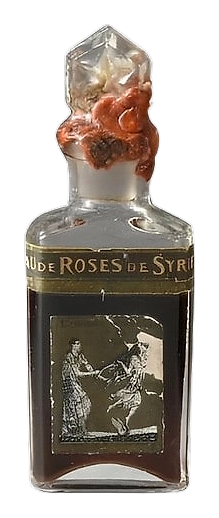
The story begins in 1896, when Bichara Malhame, who styled himself as “The Syrian Perfumer,” established Parfums Bichara in Paris. Contemporary newspaper notices described his shop as a place where “parfums enivrants” were crafted for a clientele that ranged from aristocratic patrons to artists seeking novel olfactory experiences. Early catalogues listed fragrances named after years—Ambre, 1913; Cabiria, 1921; Ramses II, 1928—reflecting a practice of anchoring scent to a moment in time. By the 1920s the house had secured a modest presence in the French perfume trade, supplying both retail boutiques and select department stores. The brand survived two world wars; wartime rationing forced a temporary reduction in raw material imports, yet Malhame’s network of Middle‑Eastern suppliers allowed the house to maintain a core line of amber and oud‑based scents. In 1953 Parfums Bichara introduced Narguile, a pipe‑inspired fragrance that became a quiet favorite among connoisseurs of oriental notes. The 1970s saw the brand’s acquisition by a family of French distributors who preserved the original formulas while introducing modern packaging. Throughout the late twentieth century, the house avoided aggressive marketing, instead relying on word‑of‑mouth among perfume collectors and occasional features in niche fragrance journals. In 2010 the brand launched a limited‑edition series that re‑issued early 20th‑century scents with updated safety standards, sparking renewed interest among vintage perfume enthusiasts. The house continues to operate from a modest atelier in the 8th arrondissement, where a small team of perfumers and archivists work from original notebooks and ingredient ledgers to keep the legacy alive. Parfums Bichara approaches scent as a dialogue between history and the present. The house believes that a fragrance should tell a story that can be read by the nose, not merely decorate the skin. Its creative vision emphasizes authenticity; each new release must reference an archival formula or a documented olfactory trend from the brand’s early years. The team values transparency, publishing ingredient lists for most of its offerings and explaining the cultural origins of key notes such as Syrian frankincense, Egyptian amber, or Egyptian jasmine. Sustainability entered the conversation in the 2010s, prompting the house to seek certified natural extracts and to work with cooperatives that practice fair trade. Yet the brand refuses to replace classic synthetics that define historic scents; instead it balances natural and laboratory‑derived ingredients to preserve the original character while meeting modern safety regulations. This measured approach reflects a broader belief that perfume, like any art form, evolves without erasing its roots.