


Heritage
A house, in its own words
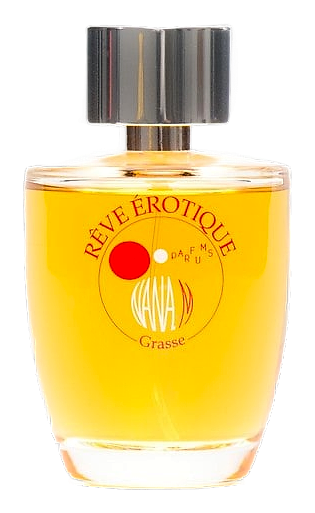
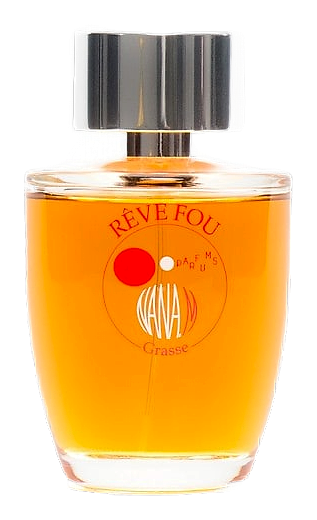
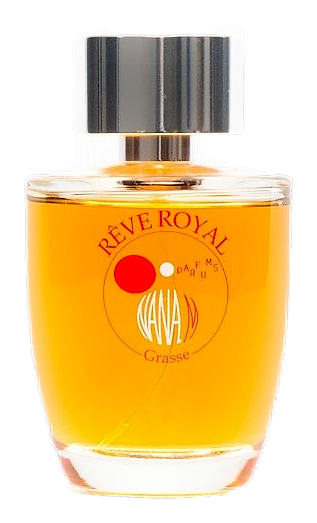
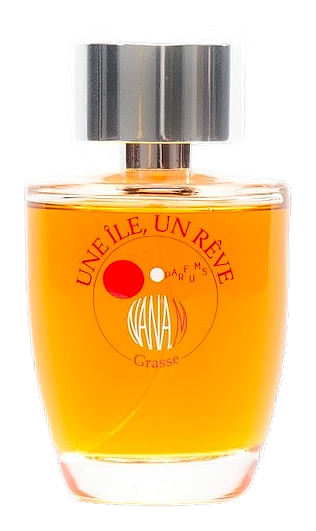
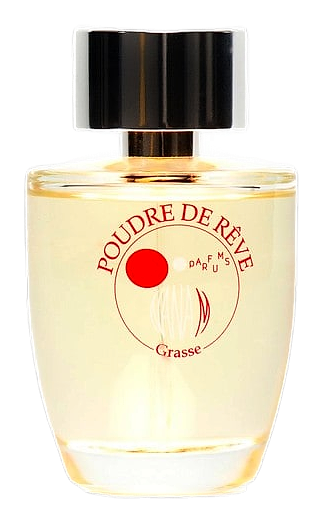
The story of NANA.M begins not with a grand manifesto but with a perfumer who had spent twenty years navigating the fragrance industry's professional landscape. Céline Ripert, a French perfumer trained and experienced in Grasse, decided that after two decades of working within established structures, she wanted to create a line she could call entirely her own. This aspiration drove her to establish NANA.M in the late summer of 2015, positioning her new house within the very city that invented modern perfumery. Grasse had been home to perfume manufacturing since the sixteenth century, evolving from glove-making operations that first incorporated scent into their products. By the eighteenth century, the city had become synonymous with fragrance production, eventually supplying raw materials and formulations to houses across Europe. Ripert's decision to launch her independent brand in this particular location carried deliberate significance. She was not merely starting a business but joining a lineage of perfumers whose craft shaped an industry. The timing of the 2015 launch introduced eight fragrances simultaneously, an ambitious debut that reflected both confidence in her creative vision and a desire to present a complete artistic statement from the outset rather than building gradually. The brand name itself, NANA.M, maintains an air of personal identity while the initial "Nana" phoneme echoes historical perfumery, notably Grossmith's Phul-Nana from 1891, though the connection appears coincidental rather than intentional. Ripert's background includes work as a perfumer, and her move from industry professional to independent house founder represents a trajectory common among niche fragrance creators who seek fuller creative expression outside commercial constraints. The philosophy underlying NANA.M emerges from its most visible creative choice: the consistent use of "Reve" across all fragrance names. In French, this word carries layers of meaning that the brand seems to embrace fully. A dream exists somewhere between consciousness and imagination, between memory and invention. By naming each scent as an exploration of a different variety of dream, Ripert positions her work within a framework that values emotional resonance over purely chemical composition. The fragrances do not describe themselves through ingredient lists or technical fragrance families but through evocative concepts that invite personal interpretation. Reve Royal suggests regal fantasy. Reve Erotique implies intimate imagination. Reve Piquant points toward dreams that carry an edge or spark. This naming strategy reveals a philosophy that treats fragrance as a vehicle for subjective experience rather than objective categorization. The brand appears to reject the idea that a perfume should simply smell pleasant or conform to market expectations. Instead, each NANA.M scent seems designed as an olfactory story that the wearer enters and completes through their own associations. Ripert's background as a perfumer informs this approach; having worked in the industry for twenty years, she understood how commercial perfumery often prioritizes accessibility and mass appeal over deeper emotional engagement. Her decision to create a niche line with conceptually unified naming suggests a desire to work differently, for clients who seek fragrance as a form of personal expression rather than social signal. The Japanese aesthetic influences noted in independent reviews further support a philosophy that values subtlety, suggestion, and the beauty of implication over bold declaration.