





Heritage
A house, in its own words
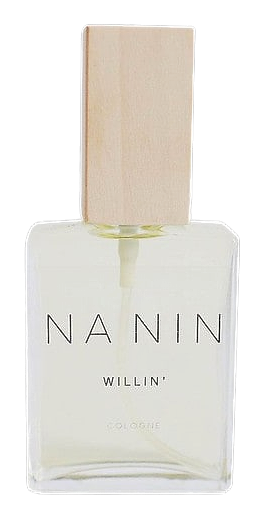
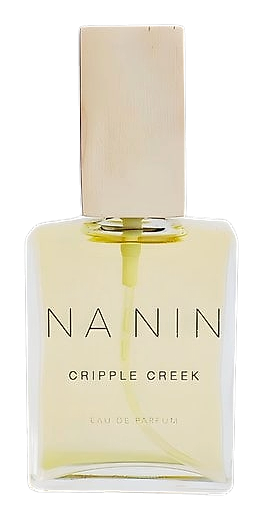
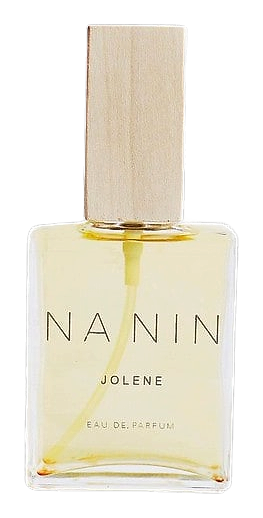
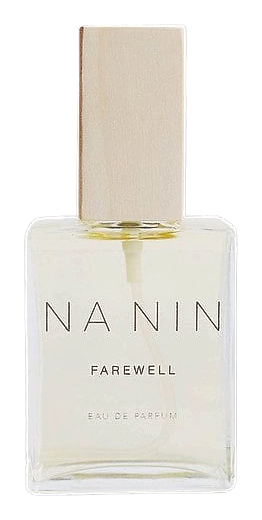
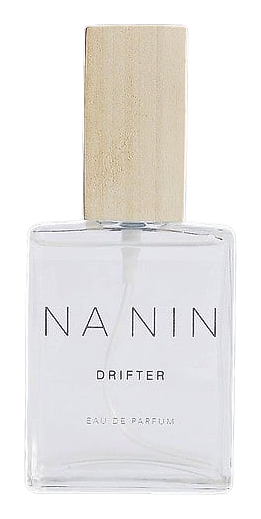
Na Nin's origins trace back to 2009, when founder Kate Jennings returned to the United States after teaching English in South Korea. Searching for a creative outlet and a way to channel residual income back into her community, Jennings opened an Etsy shop selling vintage clothing, the seed of what would become a broader lifestyle brand. The name 'Na Nin' itself comes from Korean, a linguistic echo of her years abroad and a quiet affirmation of identity. By the mid 2010s, the brand had outgrown its vintage roots and introduced a signature fragrance collection, pivoting toward perfume oils, candles, and home fragrance while retaining the nostalgic sensibility of its earliest days. The company now operates from a studio on South Addison Street in Richmond's historic Carytown neighborhood, and is a recognizable name in the city's small batch beauty scene. Over the years, Na Nin has moved from a solo venture into a team based creative studio, broadening its catalogue without diluting the personal, song inspired voice that defined its founding release. At its core, Na Nin treats fragrance as an emotional archive, a way to access rooms, relationships, and chapters of life that words alone cannot reach. The founding collection was conceived around the idea that certain songs have the power to unlock memories, and the brand extended that logic to scent, building compositions that function as olfactory time stamps. Jennings has spoken about wanting her products to feel like keepsakes rather than commodities, objects with a personal point of view that invite the wearer to slow down. The label resists fast fragrance cycles, choosing instead to edit and refine its catalogue so that each release carries clear intention. There is a visible through line of warmth, intimacy, and gentle melancholy in the range, from the smoky romance of Smokey Oud & Tobacco Rose to the sunbaked minimalism of Palo Santo & Desert Rose. Na Nin frames its work as part of a larger practice of self care and domestic ritual, positioning scent alongside music, clothing, and objects as tools for shaping how a space, and a self, feels.