Heritage
A house, in its own words
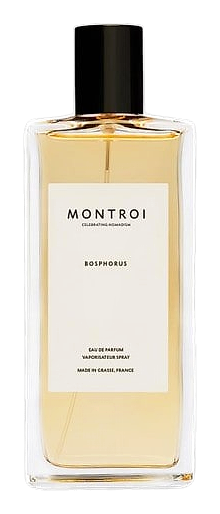
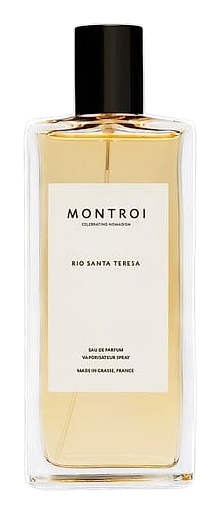
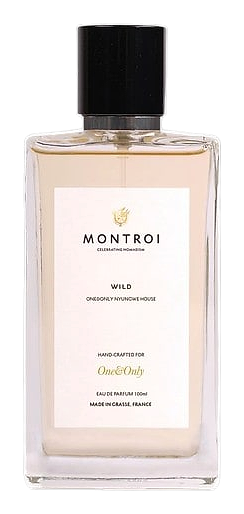
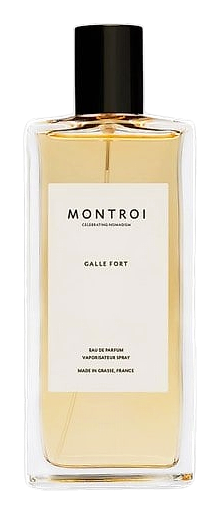
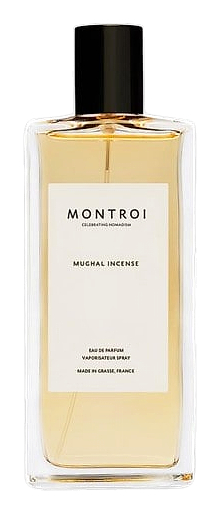
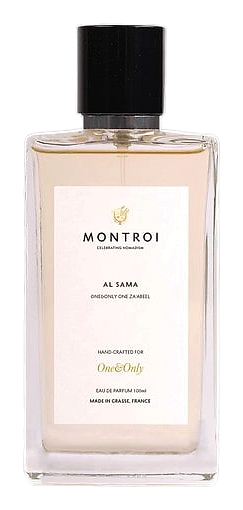
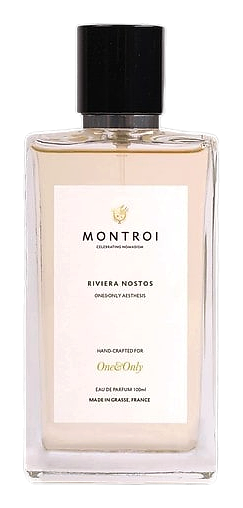
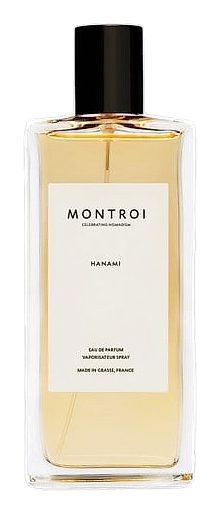
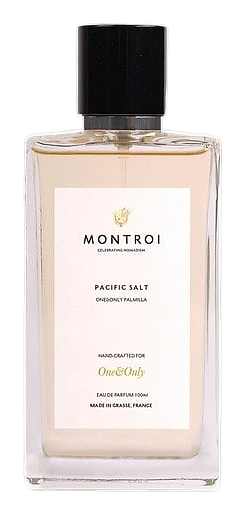
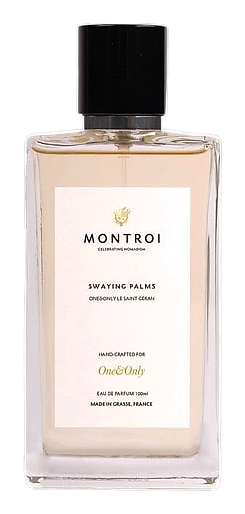
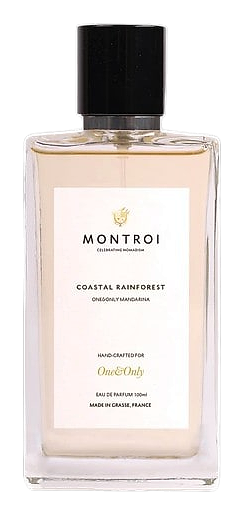
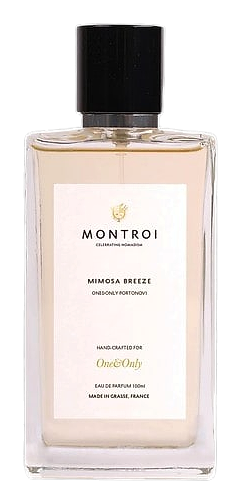
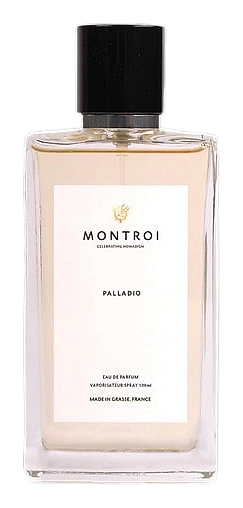
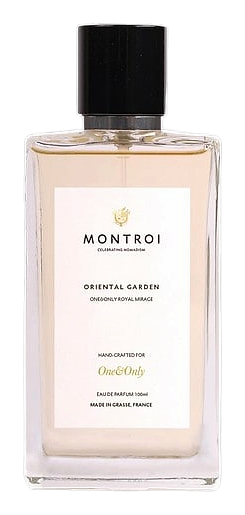
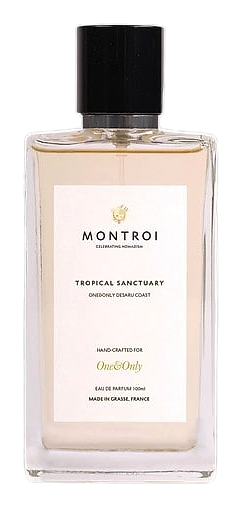
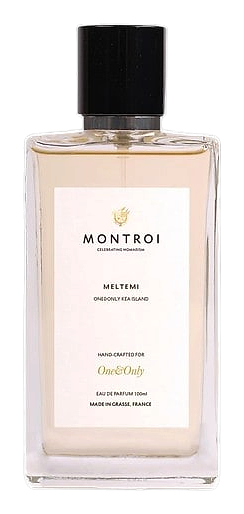
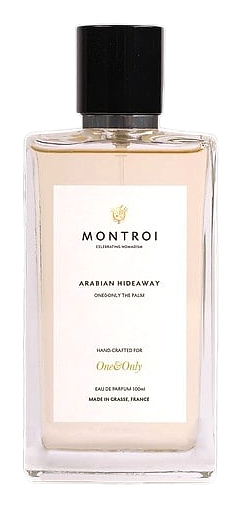
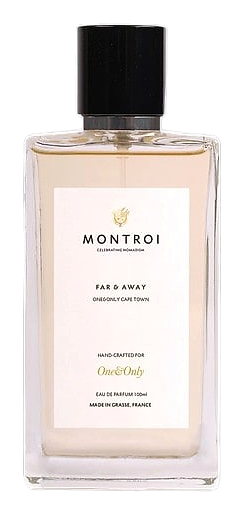
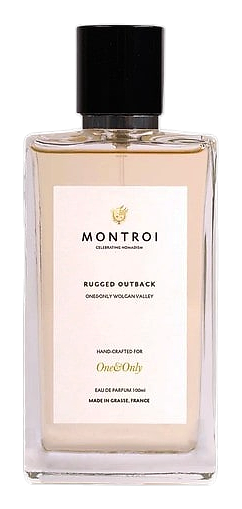
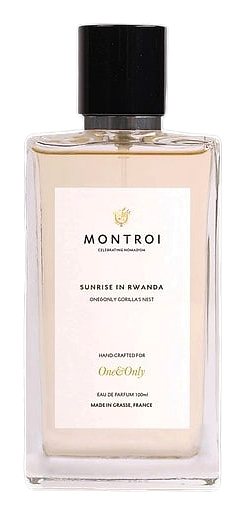
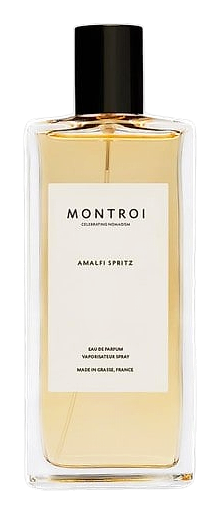
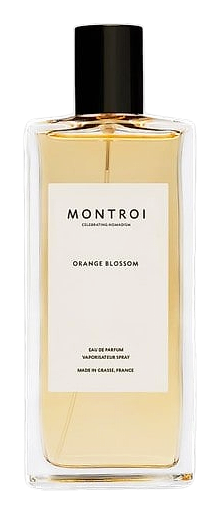
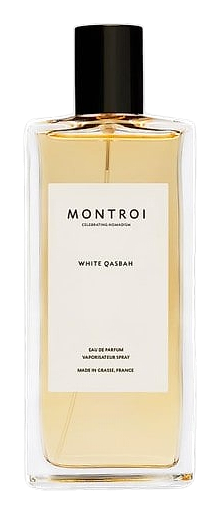
Montroi was founded in 2013 by Enrique Hormigo-Scarlett and Samir Kaushik Aghera, two self-described avid travellers whose shared passion for craftsmanship and place became the starting point for the brand. The founders established the company with bases in France and Dubai, positioning it at the intersection of French perfumery tradition and global travel culture. The earliest fragrance in the catalogue, Bosphorus, launched in 2019, marking the house's formal entry into fine fragrance composition. The brand's provenance splits deliberately between two strongholds. In Grasse, the town that rose to prominence as the historical centre of French fragrance, Montroi's compositions are developed and handcrafted. In Jaipur, India, a separate arm of the business produces a collection of marble home fragrance accessories, including oil burners, candle holders, incense burners, and reed diffusers, recalling the city's position along the ancient Silk Route trade paths. A more recent chapter saw Montroi collaborate with One&Only Kéa Island, an ultra-luxury resort in Greece, on Meltemi, a signature scent created exclusively for the property. The partnership reflects the brand's ongoing effort to extend its place-based identity into hospitality and destination experiences, anchoring each fragrance to a real location with cultural and geographic specificity. Montroi's creative direction rests on the idea that fragrance is a vessel for place and memory. The founders, who built the brand around their own travels, treat each composition as an olfactory postcard, drawing on the textures, climates, and stories of destinations such as the Bosphorus strait, the Rwandan sunrise, and the rugged Australian outback. The collection reads less like a traditional perfume wardrobe and more like an atlas rendered in scent. The house takes an artisanal, small-batch approach to perfumery. Scent development centres on Grasse, a region with centuries of accumulated expertise, rather than on industrial-scale production. This choice signals a commitment to working within the historical geography of fine fragrance rather than outsourcing composition to more efficient manufacturing hubs. Beyond the bottles, Montroi frames itself as a custodian of vanishing craft. The brand describes its network as 240 artisans across 30 workshops, each practising skills it considers undervalued. Whether that expertise lies in perfumery or in the marble carving traditions of Jaipur, the underlying conviction is the same: contemporary luxury has room, and arguably a responsibility, to preserve techniques that mass production has overlooked.