



    Home/Brands/Monsoon
    Brand Profile

    Monsoon

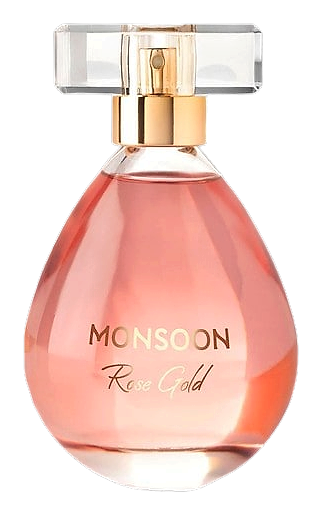
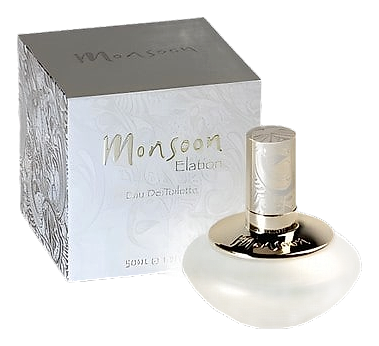
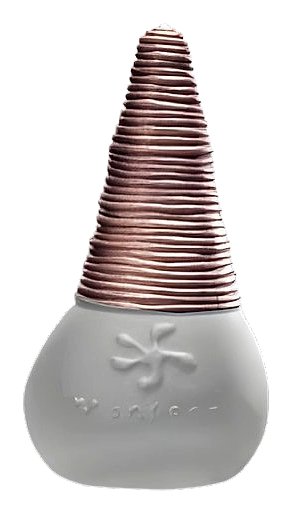
    Monsoon is an Indian fragrance house that draws its identity from the rich perfumery traditions of Kannauj, a town in northern India celebrated for its mastery of rain-scented perfumery. The brand specializes in capturing the distinctive aroma of the first monsoon rains, a sensory experience deeply woven into Indian cultural memory. Its catalog spans multiple decades, from the original Monsoon fragrance launched in 1994 through releases like Shimo (1996), Monsoon Eau (1997), Rose Gold (2015), and My Fairytale Fragrance (2017). Each offering reflects the house's dedication to bottling atmospheric moments, transforming the primal scent of petrichor into wearable compositions. The brand occupies a distinctive niche within Indian perfumery, appealing to those who seek olfactory representations of landscape and season rather than conventional floral or woody archetypes.

    IndiaEst. 1994
    1
    Fragrances
    4.7
    Avg rating
    Shop the collection
    SignatureRose Gold
    Rose Gold
    EDT
    Community
    4.7
    Average rating
    across 1 fragrances
    Collection
    1
    Fragrances and counting
    Heritage
    1994
    Founded in India

    Most loved

    Bestsellers from Monsoon

    Rose Gold by Monsoon
    Monsoon
    Rose Gold
    4.7
    Compare prices
    Coming soonMonsoon (original) by Monsoon
    Monsoon
    Monsoon (original)
    4.5
    Coming soon
    Coming soonMonsoon by Monsoon
    Monsoon
    Monsoon
    3.5
    Coming soon
    Coming soonShimo by Monsoon
    Monsoon
    Shimo
    4.3
    Coming soon
    Coming soonElation by Monsoon
    Monsoon
    Elation
    3.3
    Coming soon
    Coming soonMonsoon Eau by Monsoon
    Monsoon
    Monsoon Eau
    4.7
    Coming soon
    Coming soonMy Fairytale Fragrance by Monsoon
    Monsoon
    My Fairytale Fragrance
    3.5
    Coming soon

    Fresh in

    New from the house

    Rose Gold by Monsoon
    Monsoon
    Rose Gold
    4.7
    Compare prices
    Coming soonMy Fairytale Fragrance by Monsoon
    Monsoon
    My Fairytale Fragrance
    3.5
    Coming soon
    Coming soonElation by Monsoon
    Monsoon
    Elation
    3.3
    Coming soon
    Coming soonMonsoon by Monsoon
    Monsoon
    Monsoon
    3.5
    Coming soon
    Coming soonMonsoon Eau by Monsoon
    Monsoon
    Monsoon Eau
    4.7
    Coming soon
    Coming soonShimo by Monsoon
    Monsoon
    Shimo
    4.3
    Coming soon
    Coming soonMonsoon (original) by Monsoon
    Monsoon
    Monsoon (original)
    4.5
    Coming soon

    Heritage

    A house, in its own words

    The heritage of Monsoon fragrance house is rooted in the centuries-old tradition of attar-making in Kannauj, India. This northern town has served as a center for perfumery since the Mughal era, with artisan families passing down techniques for extracting and blending aromatic materials across generations. The specific practice of rain-scented perfumery, which Monsoon has made its signature, draws from an ancient art form that predates modern synthetic fragrance chemistry. Traditional practitioners in Kannauj developed methods for capturing the aroma of earth after the first rains, a scent known in Sanskrit as petrichor. This involves collecting and processing specific botanical materials that, when exposed to moisture and heat, release the characteristic earthy fragrance associated with monsoon season. While Monsoon as a commercial fragrance house emerged in the 1990s with its original scent in 1994, the techniques it employs connect directly to this historical lineage. The subsequent releases across the following two decades demonstrate a sustained engagement with atmospheric perfumery, expanding the rain-scent concept into various interpretations while maintaining the house's foundational identity. The continued production of fragrances with names like Shimo (suggesting frost or winter moisture) and Elation (2010) indicates an evolving exploration of moisture-related olfactory themes beyond the original monsoon concept.

    The philosophy underpinning Monsoon centers on the belief that atmospheric conditions and seasonal moments can be translated into olfactory form. Rather than pursuing conventional fragrance categories defined by dominant flower notes or aromatic families, the house positions itself as a chronicler of weather phenomena, particularly the transformative arrival of monsoon season across the Indian subcontinent. This approach reflects a philosophical orientation that values sensory memory and place-based experience over abstract luxury positioning. The brand appears to operate from the premise that fragrance serves not merely as a personal accessory but as a vehicle for evoking specific times and environments. This philosophy aligns with broader currents in Indian cultural tradition, where the first monsoon rains carry profound significance beyond mere weather, marking renewal, fertility, and collective emotional shifts. By dedicating a fragrance house to capturing this particular moment, Monsoon asserts that scent can document and preserve experiences typically considered ephemeral. The aesthetic vocabulary developed across its catalog suggests an ongoing investigation into how moisture, minerality, and organic decay combine to form recognizable atmospheric signatures that can be isolated, concentrated, and worn.

    1994
    Original Monsoon fragrance launched, establishing the house's signature rain-scent concept
    1996
    Shimo fragrance released, exploring frost and winter moisture themes
    1997
    Monsoon Eau introduced as an updated interpretation of the original concept
    2010
    Elation fragrance added to the catalog, expanding the atmospheric theme into new territory
    2015
    Rose Gold released, introducing a warmer interpretation within the house's aesthetic framework
    2017
    My Fairytale Fragrance launched, marking continued evolution of the brand's thematic approach

    The noses

    Perfumers behind the house

    Did you know?

    Interesting facts

    01

    The scent of rain on dry earth, known as petrichor, was scientifically studied and named in 1964 by Australian researchers Isabel Bear and Richard Thomas, validating what Indian perfumers had been capturing for centuries

    02

    Kannauj, the traditional center of Indian attar-making, has served as a perfumery hub since at least the Mughal period, with techniques developed there influenced by Persian and Central Asian traditions brought by traders and conquerors

    03

    The petrichor effect results from oils released by certain plants during dry periods being absorbed into bare ground, then liberated when rain falls and causes the oils to aerosolize along with geosmin from soil bacteria

    04

    Rain-scented perfumery represents one of the few fragrance categories that captures an atmospheric condition rather than a botanical or animal-derived material, making it conceptually distinct from most traditional perfume categories