

Heritage
A house, in its own words
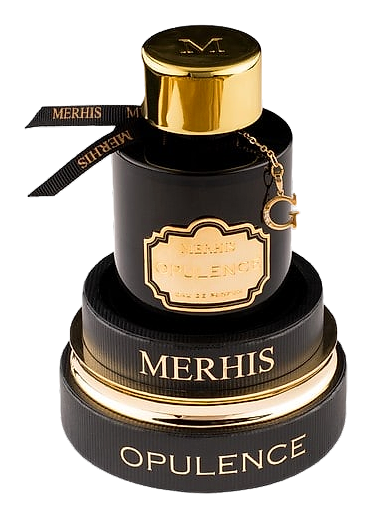
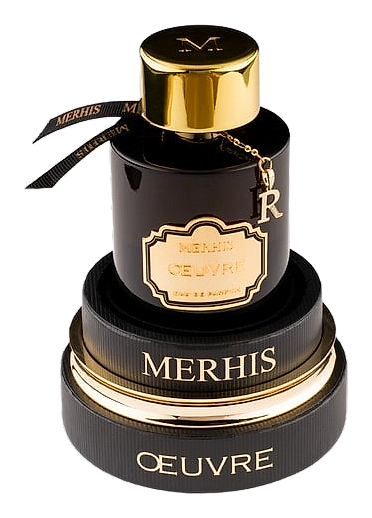
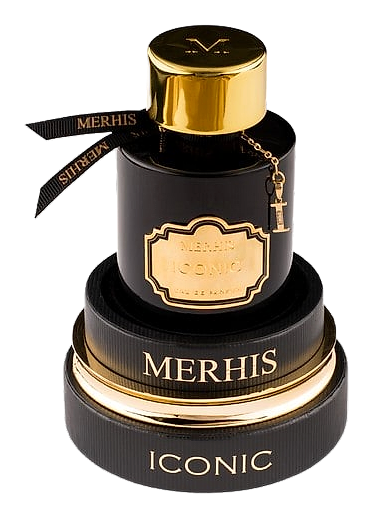
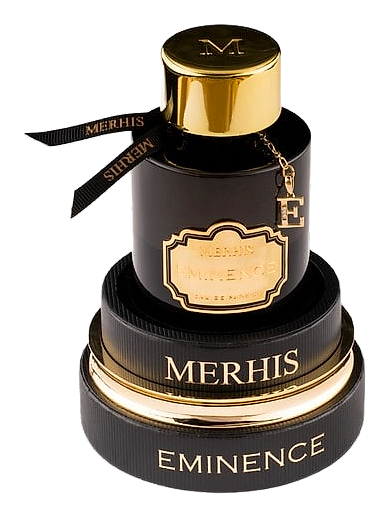
The origins of Merhis Perfumes remain largely undocumented in publicly available sources, making precise tracing of its founding difficult. The brand emerged in 2015, a year that saw the simultaneous release of its initial six fragrance offerings: Eclat, Iconic, Opulence, Oeuvre, Magnum Opus, and Eminence. This launch strategy, releasing an entire collection at once rather than staggering individual releases, suggests deliberate planning and significant initial investment. The choice to establish the house in Dubai reflects a broader trend of fragrance brands capitalizing on the region's position as a global hub for luxury goods and its culturally ingrained appreciation for perfumery. The United Arab Emirates, and Dubai specifically, has become a significant center for the fragrance industry, hosting numerous perfume retailers and serving as a crossroads for Eastern and Western scent preferences. Merhis operates within this ecosystem, offering scents that presumably appeal to both regional tastes and international markets. The brand's heritage narrative emphasizes differentiation from the ordinary, though without founder interviews or documented company history, the specific circumstances of its establishment remain somewhat opaque. The year 2015 places Merhis within a period of rapid growth in the niche fragrance market, when independent and regional houses gained increased visibility through social media and e-commerce platforms. Merhis Perfumes frames its philosophy around the concept of exceeding necessity and setting itself against the ordinary. This positioning suggests a deliberate rejection of mass-market fragrance conventions in favor of something more distinctive. The brand's self-description emphasizes finding a niche rather than pursuing broad commercial appeal, indicating an orientation toward consumers seeking alternatives to dominant fragrance house offerings. The naming convention for its initial collection reinforces this philosophy, with names like Oeuvre (meaning a work of art) and Magnum Opus (great work) suggesting aspirations toward artistic significance rather than mere commercial product. The choice of such names implies that the brand views perfumery as a creative and cultural practice rather than simply a consumer goods industry. However, the brand's philosophy remains largely articulated through marketing language rather than detailed public statements about ingredient sourcing, creative process, or olfactory philosophy. Without interviews, manifestos, or documented creative direction, the stated philosophy exists primarily as positioning rather than a fully elaborated worldview. The Dubai base location likely influences this philosophy, given the region's historical and contemporary significance in the perfume trade, where fragrance carries cultural, religious, and social weight beyond Western market conceptions of perfume as purely cosmetic or fashion-oriented.