

Heritage
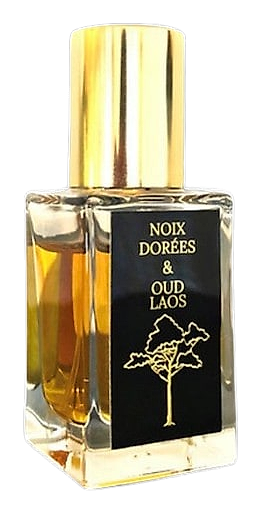
A house, in its own words
Marble Oud is a sub-brand or line within The House of Oud, an independent niche fragrance house whose origin story centers on a personal friendship rather than a corporate founding. The house emerged from the collaboration between an Italian master perfumer and an Indonesian oud enthusiast based in Jakarta, two figures whose shared obsession with agarwood brought them together and shaped the brand's direction from the start. The name itself reflects a visual and material sensibility: marble evoking weight, coolness, and architectural permanence, paired with oud, one of perfumery's most ancient and culturally layered ingredients, referenced in Sanskrit texts as early as 1400 BC as a substance connoting wealth and status. Rather than positioning itself within a single regional tradition, the house draws on both European fine perfumery technique, brought by its Italian co-founder, and Southeast Asian oud culture, brought by its Jakarta-based co-founder. This cross-continental dialogue is visible in the brand's naming conventions, which pair a Western-style floral or gourmand note with an oud carrying a specific country of origin: Bengale, Laos, Malaysie. The 2021 releases catalogued in Silloria's database represent the clearest expression of this approach, treating each oud as a terroir-driven material rather than a generic resinous base note. The creative vision behind Marble Oud, and the wider house it belongs to, treats oud as a raw material worthy of the same geographic specificity as wine or single-origin coffee. Rather than blending oud into a generalized oriental accord, the brand isolates agarwood from named origins, Bengal, Laos, Malaysia, and builds each composition as a dialogue between that regional oud and a single contrasting botanical. Jasmin Noir paired with Oud Bengale, Osmanthus Vert paired with Oud Malaysie, and Noix Dorées paired with Oud Laos follow this exact logic. The approach reflects a belief, shaped by the Jakarta-based co-founder's immersion in oud culture, that the differences between regional ouds are as perceptible and meaningful as the differences between grape varietals. The Italian perfumer's contribution brings structure and classical composition technique to these raw, terroir-driven materials. The result is a house philosophy that resists both the Western tendency to flatten oud into a generic "oud note" and the Middle Eastern tendency to treat it primarily as a cultural symbol, instead treating it as a perfumery ingredient with measurable regional variation.