The Story
Why it exists.
The beginning
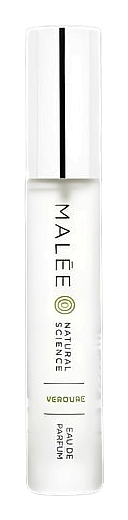
Verdure is Malée's answer to the question of what an African green fragrance could be. Launched in 2015 alongside Polyanthes and Peppersage, it captures the vitality of the continent's botanical heritage in a composition designed for everyday wear. The name itself says everything: verdure, the fresh green of growing things. This isn't perfume as occasion. It's perfume as atmosphere.
The three-note structure (citrus, mint, patchouli) reads simple on paper. In practice, it's a study in contrast. The citruses provide immediate brightness, that first-morning clarity. Mint arrives next, cool and clarifying, pushing back against the sweetness that could have made this generic. Then patchouli anchors everything, adding earthiness without heaviness. It's a composition that trusts restraint.
The evolution
The citrus opens bright and direct. Think zest, not blossom. Then patchouli begins its slow build. Not dramatic. Just present, growing warmer, earthier, until it's the note you smell when you press your wrist to your nose.
Cultural impact
Verdure arrived in 2015 as part of a deliberate counter-movement against the sweetness dominating mainstream perfumery. Malée built its identity around African botanical sourcing at a time when transparency about ingredient origins remained rare outside niche circles. The three-note structure rejects the layered complexity that perfume marketing typically treats as sophistication, instead presenting clarity as its own form of luxury. This approach resonated with a growing audience fatigued by synthetic-heavy compositions and marketing jargon. The fragrance occupies a specific cultural moment: the intersection of wellness culture, ingredient consciousness, and the democratization of niche fragrance through accessible pricing.

