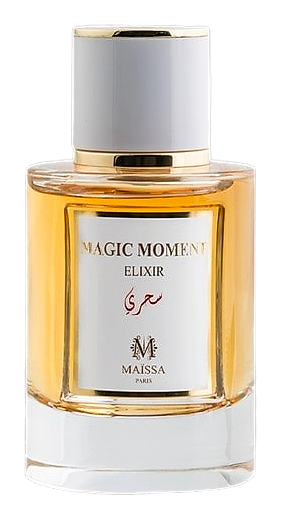
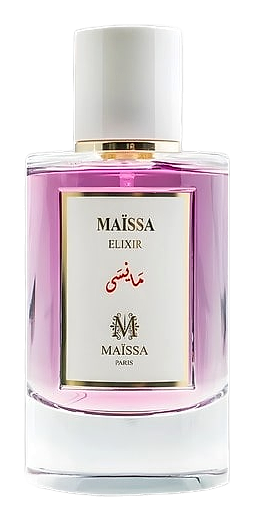
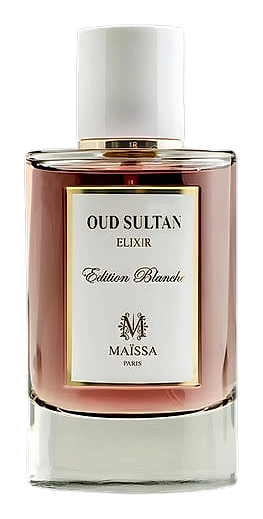
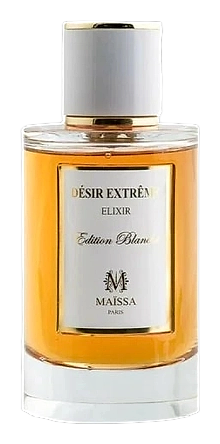
Heritage
A house, in its own words
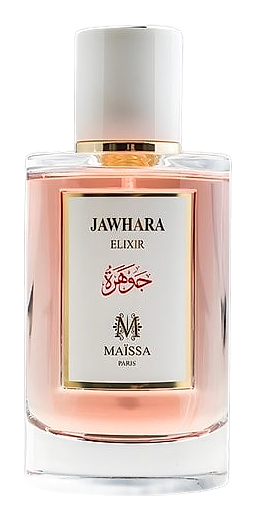
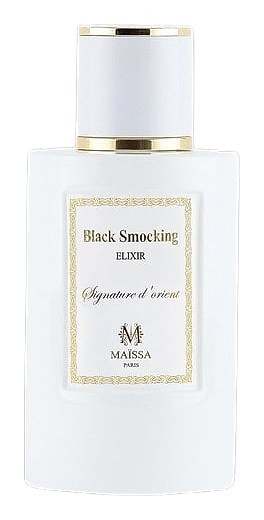
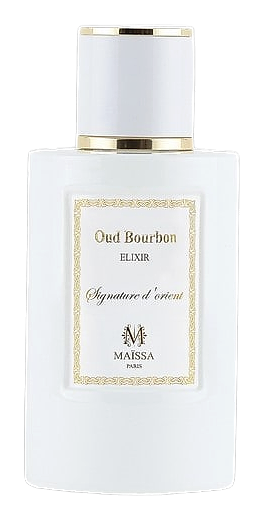
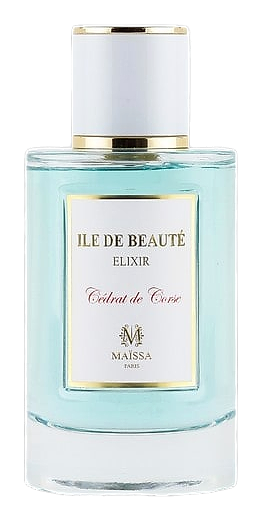
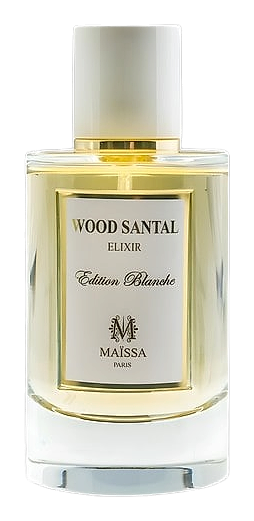
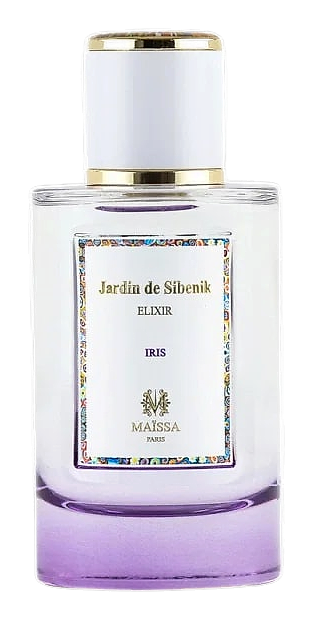
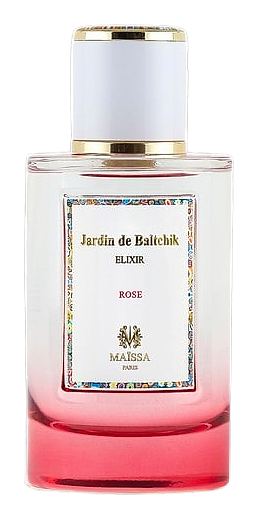
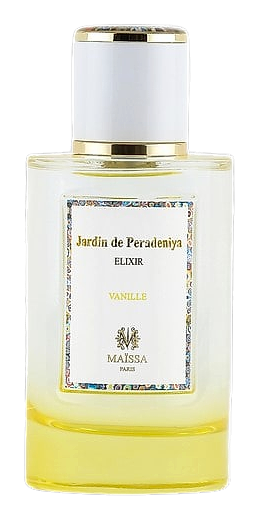
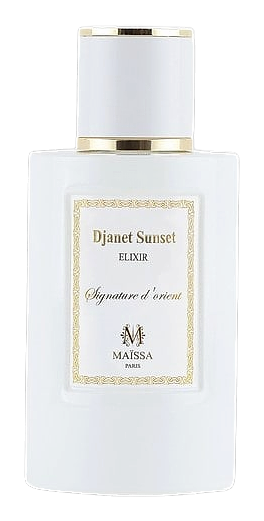
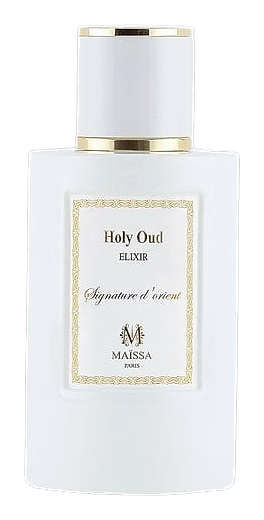
Maison Maïssa opened its doors in 2018 under the direction of Dahmane Ouafi, a creator who grew up surrounded by the aromas of North‑African markets and Parisian ateliers. The name Maïssa, a common Arabic given name meaning "graceful" or "walking with pride," reflects the founder's desire to honor his cultural roots while operating from a French base. Early on, the house announced its intent to craft a private collection that would avoid mass‑market trends, focusing instead on distinct, narrative‑driven compositions. The first public releases arrived in 2020 with Désir Extrême, a fragrance that combined dark amber with subtle spice, and Jawhara, a jasmine‑centric scent that highlighted the house's skill with floral accords. 2022 saw the introduction of Ile de Beaute, a coastal‑inspired blend that paired marine notes with citrus, followed by the launch of Black Smocking, a smoky, leather‑infused perfume that underscored Maïssa's willingness to experiment with darker palettes. In 2023 the brand expanded its oud portfolio with Holy Oud and Oud Bourbon, both sourced from ethically managed plantations and distilled in small batches to preserve nuance. The most recent addition, 4 Rue Scribe (2024), pays homage to a historic Parisian address, marrying crisp bergamot with warm cedar. Throughout its first six years, Maïssa has remained independent, distributing directly through its website and a curated network of boutique retailers, allowing the house to retain control over formulation, packaging, and the customer experience. Maïssa approaches perfumery as a dialogue between heritage and innovation. The brand believes that a fragrance should tell a story rooted in place, whether that story originates in a Marrakech souk or a Parisian boulevard. To achieve this, Maïssa selects ingredients that carry cultural resonance—such as Indian sandalwood, Moroccan rose, or French lavender—and then interprets them through a contemporary lens. The house avoids generic trends, instead opting for compositions that challenge the nose while remaining wearable. Sustainability informs the creative process; Maïssa prefers suppliers who practice responsible harvesting and who can provide traceability reports for rare materials like oud and ambergris. Transparency extends to the consumer: each bottle includes a brief note about the scent’s inspiration and the origin of its key ingredients. By treating perfume as both art and craft, Maïssa aims to create pieces that invite repeated discovery rather than fleeting novelty.