

Heritage
A house, in its own words
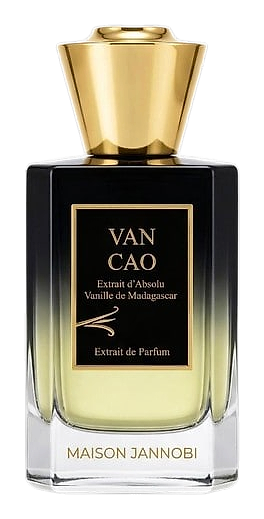
Maison Jannobi presents itself as a fragrance house founded by individuals described as enthusiasts of travel and high-end perfumes. The About page language suggests the founders sought to create a brand that bridges two worlds, namely the romance of exploration and the precision of luxury perfumery. The house reportedly aims to translate the sensory memories of travel into wearable fragrance form. While the brand does not appear to have centuries of documented history like some established houses, it represents a contemporary approach to fragrance creation that prioritizes experiential storytelling. The specific year of founding for Maison Jannobi is not clearly established in available public sources, nor are the identities of the founders or their geographic origins. The house has produced at least two named fragrances, with release years documented as 2024 and 2026, indicating ongoing activity in the fragrance market. The heritage narrative appears to be still developing as the brand grows its presence. The philosophy of Maison Jannobi appears rooted in the intersection of wanderlust and olfactory artistry. The brand's founders reportedly approach fragrance creation from the perspective of travelers who appreciate fine perfumes, suggesting an experiential rather than purely commercial motivation. The About page language indicates a belief in the power of scent to evoke place, memory, and movement. The house seems to position itself as creating fragrances for those who value both the art of perfumery and the transformative experience of travel. This dual interest reportedly informs the creative process, where destinations and journeys serve as inspiration for scent development. The philosophy suggests that each fragrance aims to capture a specific sensory moment or location, allowing wearers to carry memories of travel in liquid form. While the specific details of this creative vision remain somewhat opaque in public sources, the brand's fragrance names, such as Hawaii Island and Van Cao, indicate thematic connections to place and geographic exploration.