


Heritage
A house, in its own words
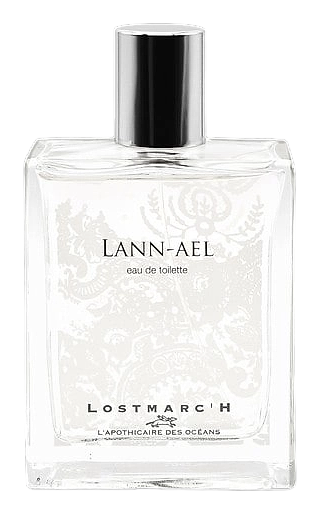
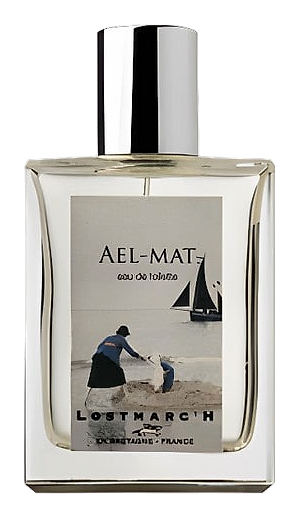
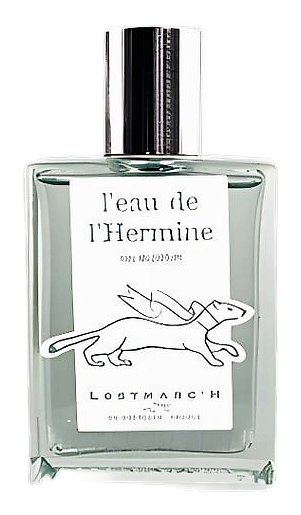
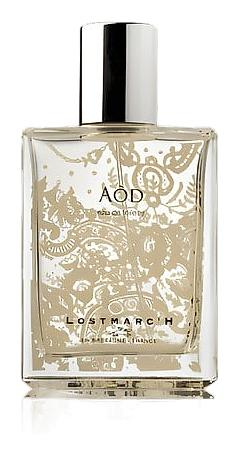
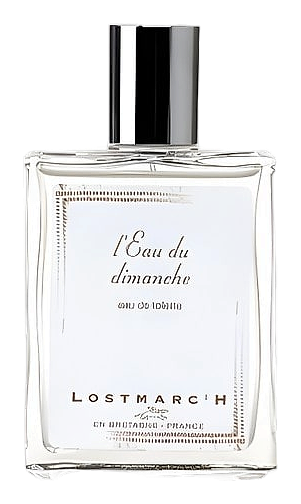
The story of Lostmarch begins not in a perfume house or laboratory, but on the beaches of the Crozon peninsula in Finistère, Brittany. Antoine Vuillermet spent his childhood in this remote corner of France, where the Atlantic Ocean pounds against rugged cliffs and the landscape shifts between coastal heath and pine forests. Unlike many perfumers who train formally in Grasse or pursue careers at established houses before launching their own brands, Vuillermet appears to have returned to his home territory to create. The exact founding year remains unclear from available sources, though fragrance releases from the early 2000s suggest the brand was established around that time. Lostmarch emerged during a period when independent fragrance houses began gaining attention for their alternative approaches to scent creation, yet the brand distinguished itself by maintaining strong ties to its specific geographic origin. Rather than adopting the universalizing language common to mainstream perfumery, Lostmarch fragrances bear names drawn from Breton language and local references that anchor them firmly to their place of origin. The brand operates as a small-scale operation where Vuillermet maintains creative control, producing limited quantities with an emphasis on authenticity over volume. Over the years, the collection has expanded to include around a dozen distinctive fragrances, each representing a different facet of the Breton landscape or cultural memory. Lostmarch operates from a conviction that fragrance should emerge from genuine personal experience rather than market research or trend forecasting. The brand's philosophy centers on translating the sensory memory of a specific landscape into olfactory form, creating scents that function almost as geographic coordinates. Rather than constructing perfumes around industry-standard fragrance families or marketing categories, Vuillermet appears to work from sensory impressions of the Crozon peninsula, asking what the salt air smells like after rain or what note captures the particular green of coastal vegetation. This approach results in fragrances that resist easy description and reward extended wearing as their multiple facets reveal themselves. The brand rejects the notion that perfumery should provide a uniform olfactory experience divorced from context. Instead, Lostmarch fragrances seem designed to evoke the feeling of being present in a particular place at a particular moment. Names like Lann-Ael (referencing Breton place names), Iroaz (suggesting local linguistic patterns), and L'eau de l'Hermine (connecting to regional wildlife) reinforce this geographic anchoring. The philosophy extends to the brand's commercial approach as well: limited distribution, minimal marketing presence, and an almost deliberate avoidance of the attention economy that dominates much of the luxury goods sector.