




The Heritage
The Story of Lipsy
Lipsy London began as a British fashion label in the late 1980s and later expanded into fragrance, offering a line that mirrors the brand’s playful, youthful aesthetic. The perfume portfolio includes Lipsy Original (2010), Lipsy London Love (2012), Rose Quartz (2014), and the more recent Lipsy Noir (2021). Each scent is positioned as an accessible, contemporary option for everyday wear, reflecting the same colour‑forward, trend‑savvy spirit that defines the clothing collections. The brand’s fragrance range is sold through department stores and online retailers across the UK, Europe and the Middle East, reaching a broad audience that values style and affordability without sacrificing quality.
Heritage
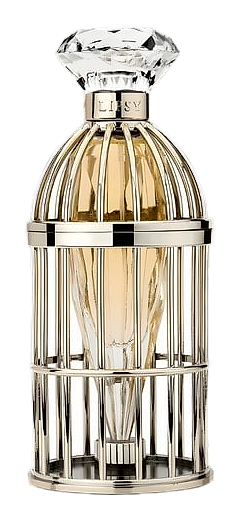
Lipsy London was founded in 1988 by Michelle Smith in London’s Notting Hill district. The label quickly earned a reputation for affordable, on‑trend apparel aimed at a young, fashion‑conscious demographic. By the early 2000s the brand had expanded internationally, opening concessions in major department stores and launching a robust e‑commerce platform. In 2010 Lipsy entered the fragrance market with its first perfume, Lipsy Original, a fresh, citrus‑spiced composition that was introduced in the UK and selected European markets. The launch was covered by trade publications such as *The Fragrance Shop* and listed on fragrance databases like Fragrantica, confirming the brand’s entry into the scented‑goods sector. Two years later the company released Lipsy London Love, a floral‑orientated scent that referenced the brand’s romantic, city‑life narrative. 2014 saw the addition of Rose Quartz, a soft pink‑hued fragrance that aligned with the global rose‑colored trend sparked by social media. The following years brought a series of limited‑edition releases, including Caged (2014) and Midnight Amethyst (2018), each packaged in distinctive bottle designs that echoed the brand’s visual language. In 2018 Lipsy Original was reformulated and re‑released alongside Radiant Pearl, a luminous, pearl‑inspired scent that highlighted the brand’s continued commitment to seasonal launches. The most recent addition, Lipsy Noir (2021), offers a deeper, woody‑oriental profile aimed at evening wear, completing a decade‑long evolution from a single introductory fragrance to a diversified olfactory portfolio. Throughout its history Lipsy has maintained a focus on rapid trend response, leveraging its fashion expertise to inform scent concepts and marketing approaches, a strategy documented in industry analyses such as *BeautyMatter* and *The Business of Fashion*.
Craftsmanship
Lipsy works with independent perfumers who specialise in creating clear, market‑ready compositions. The development cycle begins with a mood board that translates a fashion collection’s colour palette or theme into olfactory notes. Once a brief is approved, the perfumer drafts several accords using a blend of synthetic aroma chemicals and natural extracts. Synthetic ingredients, such as iso e super or linalool, provide consistency and cost efficiency, while natural elements—like Italian bergamot or French rose absolute—add depth and authenticity. After initial testing, the formula undergoes stability trials to ensure the scent remains true over time and across temperature variations. Production takes place in licensed fragrance houses in France and the United Kingdom, where quality control follows EU cosmetics regulations. Bottles are manufactured by glass suppliers that meet ISO 9001 standards, and each batch is inspected for visual defects and weight consistency. Lipsy’s packaging incorporates recyclable PET caps and paper labels, a move highlighted in a 2022 sustainability report from the parent company. The brand also conducts limited‑run releases, which allow tighter oversight of raw material sourcing and enable the use of premium accents such as metallic spray finishes on the bottle. Though the price point remains accessible, the production process adheres to industry‑standard testing for skin safety, allergen content and fragrance longevity, ensuring that each Lipsy perfume meets the expectations of both regulators and consumers.
Design Language
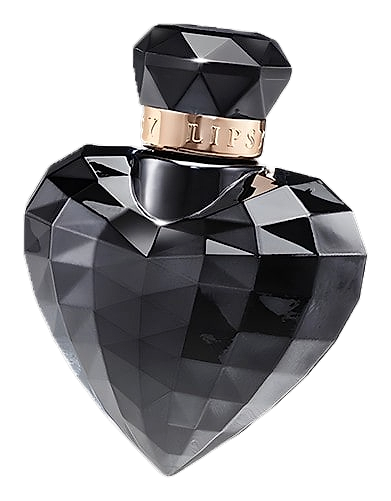
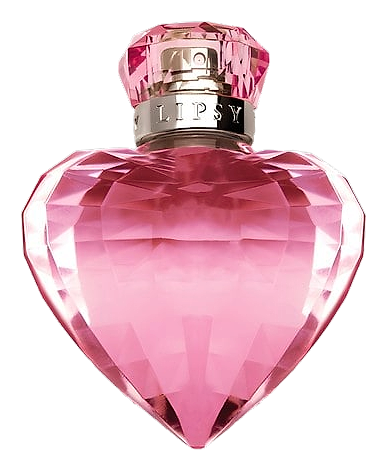
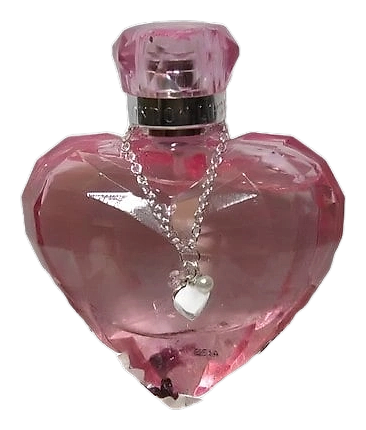
The visual language of Lipsy fragrance mirrors the label’s fashion identity: bold colours, sleek lines and a youthful edge. Early bottles, such as Lipsy Original, featured a clear glass silhouette with a simple black spray‑top, echoing the brand’s minimal‑yet‑playful apparel tags. Subsequent releases introduced more elaborate designs—Rose Quartz arrived in a soft pink frosted bottle with a gold‑tone cap, while Midnight Amethyst used a deep violet hue and a matte black finish to suggest evening intrigue. Lipsy Noir’s packaging opts for a dark, almost opaque glass vessel capped with a brushed metal lid, reinforcing its richer scent profile. Graphic elements on the labels often incorporate the brand’s signature sans‑serif typography and a subtle pattern derived from textile prints used in the clothing lines. Marketing imagery frequently places the perfume alongside contemporary accessories, reinforcing the idea that scent is part of a complete style ensemble. Seasonal campaigns use vibrant backdrops—sun‑lit cityscapes for summer scents, moody interiors for winter releases—creating a cohesive visual narrative that aligns with the brand’s broader advertising across apparel and accessories.
Philosophy
Lipsy’s fragrance philosophy rests on the idea that scent should be an extension of personal style, not a separate luxury experience. The brand treats perfume as another garment in a wardrobe, encouraging consumers to mix and match aromas to suit mood, occasion and season. This approach is rooted in the company’s broader creative vision, which values immediacy, colour, and a sense of fun. Rather than pursuing avant‑garde experimentation, Lipsy focuses on clarity of concept: each fragrance is built around a single, easily identifiable theme—whether it is the bright optimism of a sunrise (Lipsy Original) or the sultry depth of a night out (Lipsy Noir). The brand also emphasizes inclusivity, designing scents that appeal to a wide demographic without alienating niche perfume enthusiasts. Sustainability has become an emerging pillar; recent press releases note that Lipsy is exploring recyclable packaging and responsibly sourced ingredients, aligning with consumer expectations for ethical production. The creative process typically involves brief collaborations with external perfumers, allowing the brand to tap into specialised expertise while retaining control over the final narrative. This balance of fashion‑driven storytelling and pragmatic scent development defines Lipsy’s position in the contemporary fragrance market.
Key Milestones
1988
Lipsy London founded by Michelle Smith in Notting Hill, London.
2010
Launch of the first Lipsy fragrance, Lipsy Original, marking the brand’s entry into perfumery.
2012
Release of Lipsy London Love, a floral‑centric scent that expands the line beyond the debut.
2014
Introduction of Rose Quartz and Caged, two limited‑edition fragrances with distinctive bottle designs.
2018
Launch of Radiant Pearl and a reformulated Lipsy Original, aligning with seasonal fashion collections.
2021
Debut of Lipsy Noir, a woody‑oriental fragrance aimed at evening wear.
At a Glance
Brand profile snapshot
Origin
United Kingdom
Founded
1988
Heritage
38
Years active
Collection
1
Fragrances released
Avg Rating
4.3
Community sentiment
Release Rhythm


