Heritage
A house, in its own words
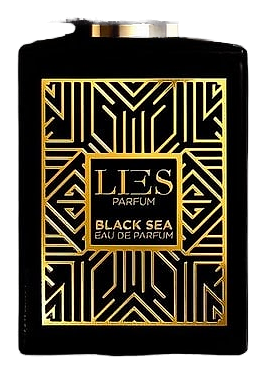
LiesParfum’s founding year, location, creative team and early milestones are not available in the supplied research, so its origins should not be presented as established fact. The name provides the clearest point of reference. LiesParfum suggests perfume as a vehicle for stories that may be fiction, half truth or affectionate self-invention. That idea connects with a long history of fragrance houses using scent to preserve memory, evoke atmosphere and express identity. L’Artisan Parfumeur, for example, developed Seville à l’aube through more than 100 revisions with perfumer Bertrand Duchaufour, showing how a nuanced composition can take sustained refinement. Maison L.T. Piver offers another historical lens through names such as Héliotrope Blanc, created in 1885 with the newly used heliotropin, while Histoires de Parfums ties each scent to a historical figure. LiesParfum appears to occupy that same expressive territory while using its provocative name as a distinct creative signature. Until the house provides a documented founding story, collection archive or perfumer roster, its heritage remains open, defined more by concept than chronology. LiesParfum’s creative premise rests on the space between truth and invention. A fragrance can suggest a place without recreating it, a memory without explaining it, or a persona without announcing who that person is. This gives the house room to work through contrast: light and shadow, clarity and mystery, confession and concealment. Its philosophy aligns with the broader fragrance belief that perfume works best when it creates emotion rather than simply presenting a catalogue of notes. The supplied research does not identify a house-specific manifesto, perfumer or artistic director, so those details remain open. What can be said is that the name gives the brand a clear narrative frame. Lies are treated not merely as deception, but as imaginative devices through which scent becomes more memorable. For fragrance discovery, this also invites curiosity: each scent can be approached as a proposition, tested against the wearer’s own associations and discovered slowly on skin.