
Heritage
A house, in its own words
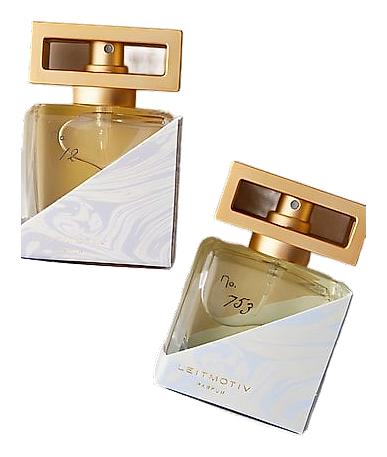
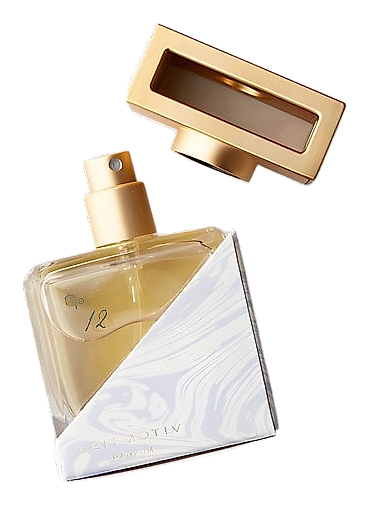
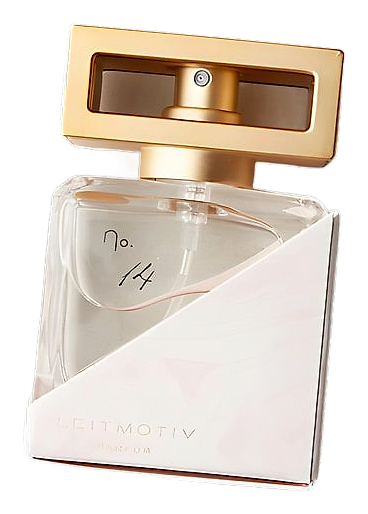
Leitmotiv entered the fragrance world as an Anthropologie exclusive in 2016, a creative extension of the retailer's lifestyle vision rather than a house with a centuries-long archive. The brand took its name from the German musical term for a recurring theme that threads through a composition, a concept chosen to shape both the way the scents are layered and the way they are named. Anthropologie, founded by Dick Haygood in 1992 in Wayne, Pennsylvania, has long positioned itself at the intersection of fashion, home, and beauty, curating goods with an artful, slightly bohemian sensibility. The decision to develop an in-house fragrance program fit naturally into that curatorial approach, giving the retailer the ability to translate its visual and editorial instincts into scent. Within its debut year, Leitmotiv released a coordinated set of numbered eaux de parfum covering fig, wood, gourmand, floral, neroli, and green leafy profiles, each priced and presented as part of a coherent series rather than isolated launches. The line has continued to be carried through Anthropologie's own retail and online channels since 2016, remaining a relatively contained niche within the brand's broader beauty assortment. Because the project lives inside a larger retail concept rather than an independent perfume house, the history of Leitmotiv is, in many ways, the history of a collaboration between perfumers, brand strategists, and Anthropologie's merchandising team, all working toward a shared reference point in music. The guiding idea behind Leitmotiv is borrowed directly from classical composition. A leitmotif, in music, is a short recurring phrase that carries emotional meaning across a larger work, and the brand applies that logic to scent building: each fragrance is built from layers designed to return again and again as the wearer moves through the day. The collection is arranged in pairs rather than as a hierarchy of signatures. Three compositions lean on lighter top-note structures, three anchor themselves in deeper base-note territory, allowing a wearer to mix the two halves the way a composer might combine a melody with a harmonic line underneath it. This approach pushes back against the usual idea of a single signature scent, suggesting instead that the reward lies in combination. Anthropologie's editorial sensibility shapes the brief. The fragrances are conceived for a customer who reads the brand's seasonal lookbooks and buys into a particular vision of romantic, slightly literary femininity, and the compositions lean toward that world: nostalgic desserts, sun-warmed figs, soft musks, and moonlit florals. The numerology of the names (No 12, No 44, No 753) adds an editorial, almost catalog-like feel that sets the line apart from typical perfume launches named after exotic places or single botanicals.